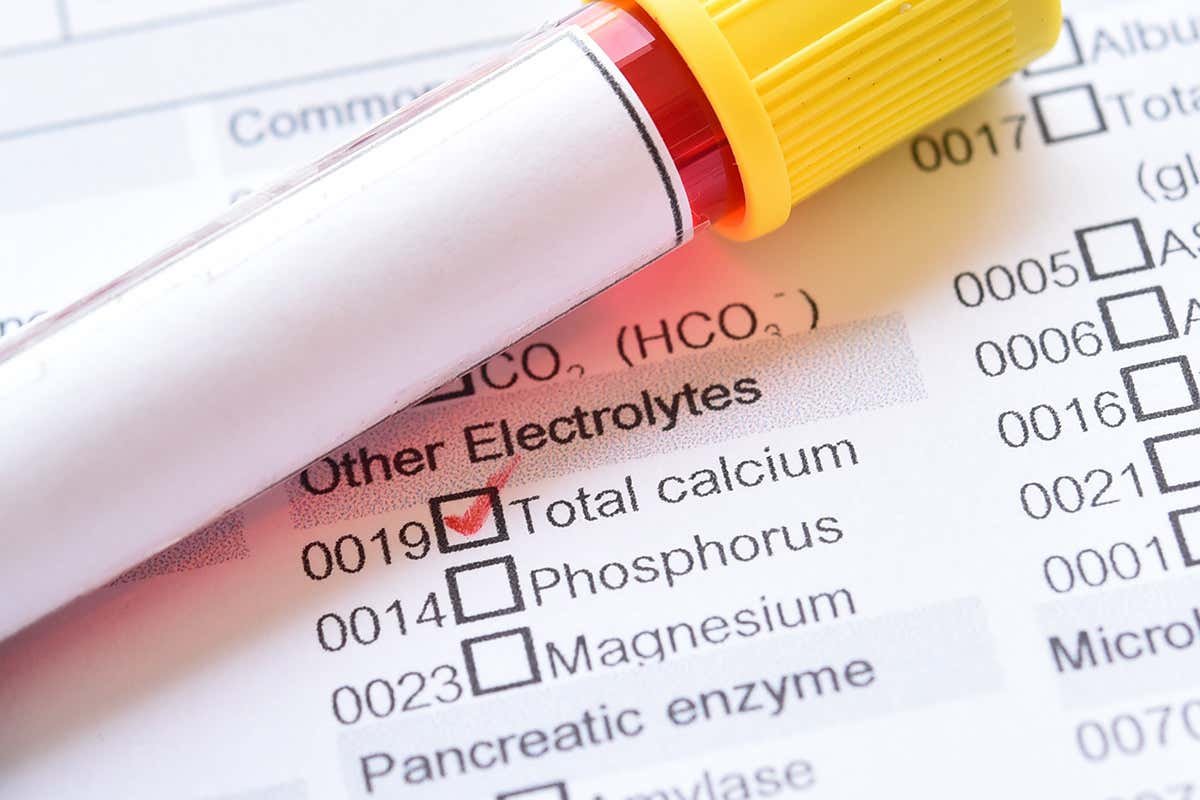
A calcium blood test can reveal more than whether calcium is present in the bloodstream. When the reported level is higher than the laboratory reference range, it may provide an important clue about how the body is regulating calcium through the parathyroid glands, kidneys, bones, intestines, and vitamin D system.
A high blood calcium level is called hypercalcemia. It can occur for many different reasons, ranging from temporary or medication-related changes to underlying medical conditions that require further evaluation. Importantly, one elevated calcium result does not by itself establish a diagnosis.
Understanding what a high Calcium Blood Test in Dubai result can mean, which symptoms may occur, and what tests may be ordered next can make a laboratory report easier to understand.
First, What Does a High Calcium Result Actually Tell You?
Calcium is an essential mineral involved in bone strength, muscle contraction, nerve signaling, blood clotting, and other cellular processes. Because calcium is so important, the body maintains its blood concentration within a relatively narrow range.
A calcium blood test measures the concentration of calcium in a blood sample. The most commonly reported measurement is total calcium, which includes calcium that is bound to proteins as well as calcium that is not protein-bound.
Another test, called ionized calcium, measures the free form of calcium. Ionized calcium is biologically active and can provide additional information when total calcium does not clearly explain the clinical picture.
Therefore, when a report shows elevated calcium, the first question is not simply “How high is it?” It is also “What type of calcium was measured, and what other factors could affect the result?”
Total Calcium, Albumin, and the Importance of Context:
A substantial portion of calcium in the bloodstream is attached to proteins, particularly albumin. Changes in albumin levels can influence total calcium measurements.
This means that an abnormal total calcium result may need to be considered alongside the patient’s albumin level. In some situations, a healthcare professional may order an ionized calcium test to determine the concentration of free calcium more directly.
This distinction is especially important when the total calcium result does not appear to match a person’s symptoms or other laboratory findings.
The reference interval printed on the laboratory report should also be used when interpreting the result. Reference ranges can differ between laboratories because testing methods, equipment, and populations may vary.
When Does High Calcium Become Hypercalcemia?
Hypercalcemia generally refers to a blood calcium concentration above the laboratory’s expected reference interval.
The degree of elevation can matter clinically. Mild elevations may produce no obvious symptoms and may be discovered during routine blood work. More significant elevations can cause noticeable effects, particularly when calcium remains elevated or rises substantially.
However, there is no single calcium number that should be interpreted independently of the laboratory’s reference range and the individual’s overall clinical situation.
Healthcare professionals may also consider whether the elevation is new, persistent, or found repeatedly on previous tests.
Common Symptoms That May Accompany High Calcium:
Some people with elevated blood calcium have no symptoms. Others may experience symptoms that become more noticeable as calcium levels rise.
Possible symptoms include:
-
Increased thirst
-
Frequent urination
-
Constipation
-
Abdominal discomfort
-
Nausea
-
Reduced appetite
-
Muscle weakness
-
Fatigue
-
Difficulty concentrating
-
Confusion in more significant cases
These symptoms are not specific to hypercalcemia. For example, fatigue or digestive problems can have many causes. A calcium blood test therefore needs to be interpreted together with other clinical information.
Severe or rapidly developing hypercalcemia can be medically significant. Symptoms such as marked confusion, severe weakness, significant dehydration, or other concerning changes warrant prompt medical attention.
One of the Most Common Causes: Parathyroid Problems
The parathyroid glands play a central role in calcium regulation. They produce parathyroid hormone, commonly called PTH, which helps maintain an appropriate blood calcium concentration.
One important cause of hypercalcemia is primary hyperparathyroidism, in which one or more parathyroid glands produce too much PTH.
When high calcium is detected, a healthcare provider may therefore order a PTH blood test. Looking at calcium and PTH together can provide more useful information than examining calcium alone.
Additional testing may be needed to determine whether the parathyroid glands are contributing to the elevated calcium level.
How Vitamin D Can Fit Into the Picture?
Vitamin D helps the body absorb calcium from the digestive tract and plays an important role in maintaining mineral balance.
Abnormal vitamin D levels can therefore affect calcium regulation. Excessive intake of certain vitamin D supplements, for example, can contribute to elevated calcium in particular circumstances.
This does not mean that every person with high calcium has a vitamin D problem. Rather, vitamin D status is one of several factors that may be considered when investigating abnormal calcium levels.
A healthcare provider may order a vitamin D test when the medical history and other laboratory findings make it relevant.
Kidney Function Also Matters
The kidneys contribute to calcium and mineral balance by regulating substances that influence calcium metabolism.
Kidney disorders can affect the way the body handles calcium, phosphorus, vitamin D, and other minerals. For this reason, kidney function may be assessed when investigating an unexplained calcium abnormality.
Blood tests such as creatinine and estimated glomerular filtration rate may be considered alongside calcium, depending on the clinical situation.
The relationship works in both directions: calcium disorders can occur alongside kidney problems, while impaired kidney function can contribute to disturbances in mineral metabolism.
Could Medications or Supplements Raise Calcium?
Yes. Certain medications can affect calcium levels.
For example, some drugs used for blood pressure management, such as thiazide diuretics, can influence calcium handling. Other medications may also contribute to changes depending on the individual’s circumstances.
Calcium supplements and high doses of certain vitamin supplements can also be relevant.
This is why it is useful to provide your healthcare professional with a complete list of prescription medications, over-the-counter products, vitamins, and supplements.
Do not stop a prescribed medication simply because your calcium result is high. Any medication change should be discussed with the healthcare professional managing your treatment.
Other Conditions That May Be Considered
Hypercalcemia has a broad range of possible causes. Besides parathyroid disorders, medication effects, and vitamin-related problems, healthcare professionals may consider other conditions.
These can include certain cancers, prolonged immobilization, and disorders affecting bone or mineral metabolism.
Cancer-associated hypercalcemia can occur through several mechanisms, including substances produced by some tumors or increased breakdown of bone. However, a high calcium result does not mean that a person has cancer. Many other explanations are possible, and the appropriate evaluation depends on the person’s history, symptoms, and other test findings.
The purpose of follow-up testing is to narrow down the possible causes rather than assume one explanation from the calcium result alone.
What Tests Might Be Ordered After High Calcium?
A healthcare professional may recommend additional tests depending on the initial result and clinical context.
Potential follow-up testing can include:
-
Repeat total calcium
-
Ionized calcium
-
Albumin
-
Parathyroid hormone
-
Vitamin D
-
Phosphorus
-
Magnesium
-
Creatinine and kidney function tests
-
Other metabolic or diagnostic tests when indicated
A repeat calcium measurement may be useful when a result is unexpected, particularly if there is a possibility that the first result does not reflect the person’s usual calcium level.
The combination of results often provides more information than any single measurement.
Does High Blood Calcium Mean Too Much Calcium in Your Diet?
Not necessarily.
It is tempting to assume that an elevated calcium blood test simply means someone has consumed too much calcium. In reality, blood calcium is carefully regulated by hormones and organs throughout the body.
Dietary calcium is only one part of this complex system. A high calcium result can occur because of changes in parathyroid hormone activity, medication effects, vitamin metabolism, kidney function, bone turnover, or other medical conditions.
For this reason, people should not dramatically restrict calcium-rich foods without professional advice simply because a laboratory result is elevated.
High Calcium Is Not the Same as Stronger Bones
A high calcium blood test should not be interpreted as evidence of better bone health.
Blood calcium and bone mineral density are different measurements. Most of the body’s calcium is stored in bones and teeth, while the calcium blood test measures calcium circulating in the bloodstream.
If the concern is osteoporosis or bone loss, a healthcare professional may recommend a bone mineral density test, commonly performed using a specialized imaging technique.
The calcium blood test may contribute to an overall assessment but does not directly measure bone density.
When Should You Discuss a High Result With a Healthcare Professional?
Any calcium result above the laboratory’s stated reference range should be interpreted in context, particularly if it is persistent or accompanied by symptoms.
Medical review is especially important when elevated calcium occurs with symptoms such as significant thirst, frequent urination, persistent vomiting, severe weakness, confusion, or signs of dehydration.
The urgency depends on the calcium level, symptoms, underlying health conditions, and whether the abnormality is new or longstanding.
A High Calcium Result Is a Clue, Not a Final Answer:
A calcium blood Lab tests can be an important starting point when investigating abnormal calcium metabolism. High calcium, or hypercalcemia, may have several possible explanations, including parathyroid disorders, medication effects, vitamin-related problems, kidney issues, certain cancers, and other conditions.
The most useful interpretation comes from looking beyond the calcium number itself. Total versus ionized calcium, albumin, PTH, vitamin D, kidney function, phosphorus, magnesium, medications, symptoms, and medical history may all contribute to the evaluation.
If your calcium blood test is elevated, avoid drawing conclusions from the number alone. Your healthcare professional can determine whether the result should be repeated and which additional tests, if any, are appropriate for understanding the cause.