A small wart may seem like a minor skin concern, but when it continues growing, spreads to nearby areas, or repeatedly returns, it can become frustrating. Some people experience warts on their fingers, hands, feet, or face and struggle to find an effective way to manage them. The good news is that several treatment approaches are available, depending on the type and location of the growth. If you are considering warts removal in Islamabad, understanding the treatment process can help you make a confident and informed decision.
Enfield Royal Clinic in Islamabad is a place where individuals can discuss unwanted skin growths and explore suitable treatment options following professional assessment. Choosing the correct approach is important because different warts may respond differently to treatment.
Why Are Some Warts Difficult to Remove?
Warts develop due to certain strains of the human papillomavirus (HPV). This virus affects the outer layer of the skin and causes abnormal cell growth, resulting in small, raised, or rough-looking lesions.
Some warts disappear naturally when the immune system controls the infection. Others remain for months or even years. Their persistence can depend on several factors, including the type of wart, its location, and the individual’s immune response.
Warts on the soles of the feet may be particularly challenging because pressure from walking can cause them to grow inward. Growths around the nails can also be difficult to manage because the surrounding skin is delicate.
Repeated scratching, picking, or attempting removal with sharp objects may further irritate the affected area and spread infected skin cells.
What Happens If You Ignore a Wart?
Not every wart requires immediate treatment. Some disappear without medical intervention, especially in children and younger individuals. However, persistent growths may become uncomfortable or spread to other areas.
The effects often depend on where the wart develops.
-
Hands: Growths may interfere with typing, writing, and handling objects.
-
Feet: Plantar warts may cause discomfort while standing or walking.
-
Face: Visible growths can affect confidence and appearance.
-
Around nails: Warts may irritate surrounding skin and affect nail appearance.
-
Other body areas: Friction from clothing or regular movement may cause irritation.
If a growth changes rapidly, bleeds, becomes painful, or looks unusual, it should be examined rather than automatically treated as a wart.
How Can You Recognise a Wart?
Warts have different appearances, but many share certain characteristics. Common warts are often rough and raised, while flat warts may appear smoother and smaller.
Some growths contain tiny dark dots, which represent small blood vessels. Plantar warts may be covered by thickened skin and become uncomfortable when pressure is applied.
However, other skin conditions can resemble warts. Corns, calluses, skin tags, and certain other lesions may have similar features. Professional examination is important to confirm the diagnosis before removal.
Which Treatment Options Can Help?
The best treatment depends on the wart’s type, thickness, location, and previous response to treatment. A professional may recommend one of several approaches.
Cryotherapy for Targeted Freezing
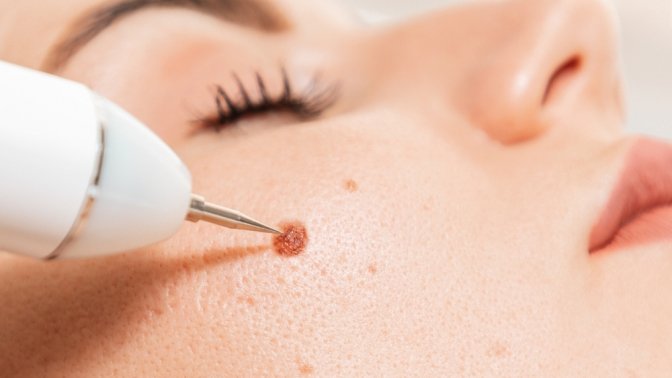
Cryotherapy is a common wart treatment that uses freezing, usually with liquid nitrogen, to damage affected tissue. The treated area gradually heals as the damaged tissue resolves.
A blister may develop after treatment. Some warts require repeated sessions, and temporary redness, tenderness, or pigmentation changes can occur.
Electrocautery for Selected Growths
Electrocautery uses controlled electrical energy to destroy targeted tissue. It may be considered for certain raised warts after proper examination.
The procedure requires careful technique to limit injury to surrounding skin. Possible side effects include temporary discomfort, scarring, and pigmentation changes.
Laser Treatment for Persistent Warts
Laser treatment may be an option for selected stubborn warts, particularly those that have not responded to other treatments.
The suitability of laser procedures depends on the wart’s location, characteristics, and the patient’s skin condition. A professional should explain the potential benefits and risks before proceeding.
Topical Treatments for Suitable Warts
Some warts can be managed using topical medications. Salicylic acid is commonly recommended for suitable common and plantar warts because it gradually removes affected skin layers.
These products require regular and careful application. They may irritate healthy skin and should not be used on sensitive areas without medical advice.
At Enfield Royal Clinic in Islamabad, individuals can discuss their skin concerns and ask about treatment options that may be appropriate for their condition.
Is Facial Wart Removal More Sensitive?
Facial wart removal requires particular attention because facial skin can be delicate. A treatment that is suitable for a wart on the sole of the foot may not be appropriate for a growth near the eyes or nose.
Aggressive home remedies can cause burns, irritation, and unwanted marks. Even professional procedures require careful selection to reduce the possibility of scarring or pigmentation changes.
Anyone considering warts removal in Islamabad for facial growths should avoid applying strong chemical preparations without professional guidance.
What Should You Avoid Before Treatment?
Preparing your skin properly can help prevent unnecessary irritation before an appointment.
Avoid cutting, squeezing, or scratching the growth. Do not apply household chemicals or unverified remedies to the affected area. If you have previously used a wart-removal product, inform the treating professional.
It is also helpful to mention any allergies, medications, medical conditions, or previous treatment attempts. These details may influence the recommended procedure.
What Is Important During Recovery?
Aftercare depends on the treatment performed. Some procedures may produce temporary redness, swelling, tenderness, or blistering. The affected area should be allowed to heal according to professional instructions.
Helpful precautions include:
-
Keep the treated area clean as advised.
-
Avoid picking blisters or scabs.
-
Do not scratch healing skin.
-
Avoid unnecessary rubbing or pressure.
-
Use skincare products only when appropriate.
-
Protect exposed healing areas from excessive sunlight.
-
Attend follow-up appointments if recommended.
Recovery time varies between patients and depends on the procedure, location, and individual healing response.
Can Warts Come Back After Successful Treatment?
Yes, recurrence is possible. Wart removal targets visible growths, but HPV may remain in surrounding skin. This means another wart can develop even after the original lesion has disappeared.
Keeping personal grooming tools separate, avoiding direct contact with existing warts, and not picking affected skin may help reduce the risk of spreading the virus.
If a new growth appears, professional reassessment is preferable to repeatedly attempting removal at home.
Why Choose Professional Guidance for Warts Removal in Islamabad?
Treating warts properly involves more than removing an unwanted skin growth. Correct diagnosis, treatment selection, and aftercare are important for protecting healthy skin and reducing unnecessary complications.
Enfield Royal Clinic in Islamabad offers individuals an opportunity to discuss their skin concerns and explore suitable options following professional assessment. People searching for warts removal in Islamabad can benefit from understanding the available procedures, possible side effects, and realistic treatment expectations before making a decision.