An intravenous (IV) drip can look quite simple from the outside: a fluid-filled bag hangs from a stand, a thin tube runs from the bag to the patient’s arm, and a small cannula sits inside a vein. However, a typical IV drip setup involves several carefully selected components and safety steps designed to deliver fluids, medicines, or other prescribed treatments directly into the bloodstream.
For people researching the Best IV Drip in Muscat, understanding what a standard setup looks like can make the treatment process feel much more familiar. It can also help patients know what questions to ask before receiving an infusion and what signs to watch for during treatment.
IV therapy can be used for different medical purposes, including fluid replacement and administration of certain medications or nutrients when intravenous treatment is clinically appropriate. The exact contents of an IV bag, infusion rate, treatment duration, and monitoring requirements depend on the individual’s needs and the treatment prescribed.
What Is an IV Drip?
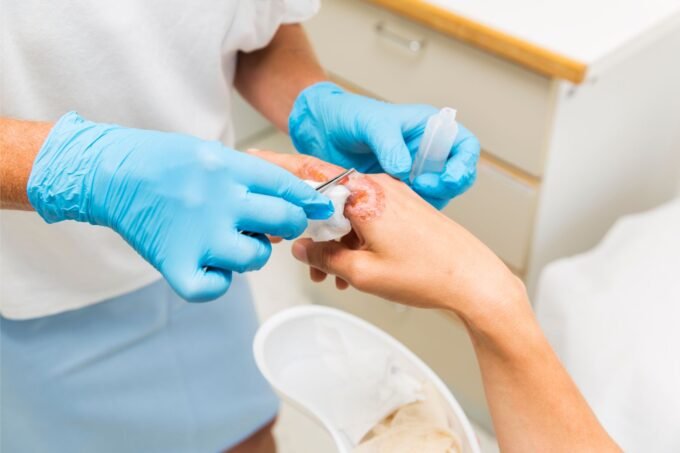
An IV drip is a method of delivering fluid or medication directly into a vein through a small flexible tube called a cannula. The cannula is generally inserted into a vein in the hand or arm. Once it is correctly positioned, the needle used for insertion is removed, leaving the flexible plastic tube in place. A sterile dressing is then used to secure the cannula.
The cannula connects to a longer piece of tubing, often called an IV administration set or giving set. The other end connects to a bag containing the prescribed solution. Depending on the treatment, the fluid may flow using gravity or through an infusion pump that controls the delivery rate.
A typical setup therefore includes several basic components:
-
A sterile IV fluid or treatment bag
-
A flexible peripheral IV cannula
-
IV tubing or a giving set
-
A drip chamber and flow-control mechanism
-
A sterile dressing and medical tape
-
An IV stand or suitable support
-
An infusion pump when precise flow control is required
Healthcare professionals select and prepare these components according to the treatment being provided. The setup should be handled using appropriate infection-control and medication-safety procedures.
What Does a Typical IV Drip Setup Look Like?
At first glance, the arrangement is usually easy to recognize. The IV bag is positioned above the patient, often on a wheeled IV pole. Tubing extends downward from the bag and connects to the cannula in the patient’s hand or arm.
The fluid bag may contain a prescribed solution such as an appropriate IV fluid or a medication prepared for intravenous administration. The bag is connected to the tubing through a sterile connection. Before the infusion begins, the healthcare professional checks the equipment and prepares the line so that the treatment can be delivered safely.
The tubing usually includes a transparent drip chamber. This allows the healthcare professional to observe the fluid passing through the line when gravity infusion is being used. A pump may also be connected to the tubing. Infusion pumps are particularly useful when the treatment requires a controlled or specific delivery rate.
The cannula is normally covered by a clear dressing. This keeps it secure while allowing the insertion site to remain visible. Patients may notice a small tube or connection near the dressing, with the IV tubing attached to it.
The overall appearance can vary depending on the treatment. A short hydration infusion may use a relatively straightforward setup, while medication infusions or treatments requiring highly controlled administration may involve additional equipment and monitoring.
How Is an IV Drip Inserted?
Before an IV drip begins, a trained healthcare professional generally assesses the patient’s condition and determines whether intravenous treatment is appropriate. The appropriate vein and access device are then selected.
The skin around the intended insertion site is cleaned. A fine needle is used to access the vein, but the needle itself is removed after the flexible cannula is positioned. The cannula is then secured with a transparent sterile dressing.
A saline or other appropriate flush may be used according to the treatment protocol to check that the cannula is functioning correctly. The IV tubing can then be connected and the infusion started.
Patients may feel a brief pinch or mild discomfort during insertion. Once the cannula is secured, the surrounding area should be monitored for discomfort, swelling, leakage, redness, or other changes.
Patients should tell the healthcare professional promptly if the area becomes painful or begins to sting. Such symptoms can sometimes indicate that the cannula is no longer positioned correctly or that fluid is entering the surrounding tissue rather than the vein.
What Happens During an IV Drip Session?
Once the IV is connected, the patient generally sits or reclines while the prescribed solution enters the bloodstream. The healthcare professional determines the appropriate infusion rate based on the treatment and the patient’s circumstances.
Some infusions may be delivered through gravity, while others use an electronic infusion pump. A pump can provide more precise control over the amount and rate of fluid or medication being administered. Professional guidance notes that infusion rates need to be carefully controlled because delivering some medicines or fluids too quickly can increase the risk of adverse effects or fluid overload.
During the session, the healthcare team may observe:
-
The IV insertion site
-
The patient’s comfort level
-
The infusion rate
-
Blood pressure, pulse, temperature, or other vital signs when clinically appropriate
-
Any symptoms suggesting an adverse reaction
-
Whether the tubing and cannula remain secure and unobstructed
The level of monitoring depends on the treatment. For example, certain medication infusions may require monitoring before, during, and after administration.
The patient generally does not need to manipulate the IV equipment. If an alarm sounds on an infusion pump or something appears unusual with the tubing, the healthcare professional should be notified rather than attempting to adjust the equipment independently.
What Is Usually Inside an IV Drip?
There is no single formula that defines an IV drip. The contents depend on why the infusion is being given and what has been clinically determined to be appropriate.
Some IV treatments contain fluids designed to help correct or prevent dehydration. Others may contain prescribed medications or specific nutrients when intravenous administration is indicated.
This distinction is important for anyone searching for the Best IV Drip in Muscat. A suitable IV treatment should not simply be selected because it contains a long list of ingredients. The contents should have a clear clinical purpose and be appropriate for the individual’s health circumstances.
Vitamin and wellness-focused IV treatments are sometimes promoted for general health, energy, recovery, or other benefits. However, evidence for IV vitamin therapy as a general wellness treatment remains uncertain, and intravenous treatment can carry risks that do not exist with ordinary oral supplements.
A responsible approach therefore involves discussing the ingredients, intended purpose, potential benefits, contraindications, interactions, and alternatives with a qualified healthcare professional before treatment.
Is an IV Drip Safe?
IV treatment is widely used in healthcare, but it is not completely risk-free. Because a cannula enters a blood vessel and the treatment is delivered directly into the bloodstream, proper technique, sterile equipment, appropriate patient assessment, and monitoring are important.
Possible complications include bruising, bleeding, irritation or inflammation of the vein, infection, infiltration, and fluid overload. Infiltration occurs when IV fluid moves into surrounding tissue instead of remaining inside the vein. Some medications can cause more serious tissue injury if they escape from the vein.
Patients should alert the healthcare professional if they notice:
-
Increasing pain or burning at the IV site
-
Swelling around the cannula
-
Redness or warmth
-
Bleeding or fluid leakage
-
The cannula becoming loose or displaced
-
Chills or feeling suddenly unwell
-
Shortness of breath or other concerning symptoms
An appropriate healthcare setting should have trained personnel who can recognize and respond to complications.
For people comparing IV services in Muscat, safety should therefore be considered alongside convenience. Questions about professional qualifications, sterile equipment, treatment ingredients, patient assessment, emergency procedures, and monitoring can be more meaningful than simply comparing promotional descriptions.
How Can Someone Choose an Appropriate IV Drip in Muscat?
When looking for the Best IV Drip in Muscat, patients may encounter a wide range of IV therapy options. The most appropriate choice depends on the person’s medical needs rather than on marketing claims alone.
A useful starting point is to ask what the infusion is intended to accomplish. If the purpose is hydration, the healthcare professional can determine whether IV fluids are actually necessary. If vitamins, minerals, or medication are being considered, the patient can ask why intravenous administration is recommended and whether another route would be suitable.
Patients may also ask:
-
Who assesses the patient before the infusion?
-
Who inserts and monitors the IV cannula?
-
What exactly is contained in the IV solution?
-
How is the dose determined?
-
How are allergies and medication interactions checked?
-
What monitoring is provided during treatment?
-
What happens if a reaction or IV complication occurs?
-
Are sterile, single-use supplies used where required?
These questions can help a patient understand the quality and safety processes behind an IV service.
A professional IV setup should look organized rather than improvised. The cannula should be appropriately secured, the tubing should be intact, and the treatment should be administered by appropriately trained healthcare personnel. The patient should also have an opportunity to discuss medical history, current medications, allergies, pregnancy status when relevant, and other factors that could affect treatment suitability.
Frequently Asked Questions
1. How long does a typical IV drip take?
The duration varies according to the type of fluid or medication, the prescribed amount, the required infusion rate, and the patient’s clinical situation. Some infusions can be relatively short, while others may require longer monitoring. The healthcare professional determines the appropriate duration rather than using one standard time for every patient.
2. Does an IV drip hurt?
Cannula insertion can cause a brief pinching sensation or mild discomfort. After placement, most people should not experience significant pain. Persistent pain, burning, swelling, or stinging around the insertion site should be reported promptly because these symptoms may indicate a problem with the IV.
3. Can anyone receive an IV vitamin drip?
Not necessarily. The suitability of an IV vitamin treatment depends on the individual’s health, medications, nutritional status, allergies, and the specific ingredients and doses involved. General wellness IV therapy also has uncertain evidence for some advertised benefits, so professional assessment is important.
4. What should someone do if the IV site starts swelling?
The patient should immediately inform the healthcare professional administering the infusion. Swelling can occur when fluid moves outside the vein, and the appropriate response depends on what is being infused. The patient should not attempt to reposition or manipulate the cannula independently.
5. Is an IV drip better than drinking fluids?
Not automatically. IV fluids are useful when intravenous administration is clinically appropriate, but they are not inherently better than drinking fluids for someone who can safely hydrate by mouth. The appropriate route depends on the person’s condition and treatment needs.
6. What should patients look for when choosing IV therapy in Muscat?
Patients can look for qualified healthcare professionals, proper patient assessment, clear information about the ingredients and purpose of the infusion, sterile equipment, appropriate monitoring, and a clear process for handling complications. Asking questions before treatment can help patients make an informed decision.
Final Thoughts
A typical IV drip setup consists of much more than a hanging fluid bag. The system generally includes a sterile fluid or medication bag, IV tubing, a drip chamber or flow-control mechanism, a flexible cannula, secure dressing, and sometimes an infusion pump. Behind this relatively simple appearance is a process that requires appropriate clinical assessment, careful preparation, correct insertion technique, monitoring, and infection-control practices.
For anyone researching the Best IV Drip in Muscat, understanding the setup can make it easier to evaluate different treatment options. Rather than focusing only on convenience or promotional claims, patients can consider what the infusion contains, why it is recommended, who administers it, how the patient is monitored, and what safety measures are in place.
IV therapy can be an important medical tool when used for an appropriate indication. At the same time, it is an invasive treatment and should be approached with the same care given to other healthcare procedures. A qualified healthcare professional can help determine whether an IV drip is appropriate and explain its expected benefits, limitations, and potential risks.
Read More About IV Drip: https://linkmate.mn.co/posts/why-iv-drip-therapy-appeals-to-frequent-travelers