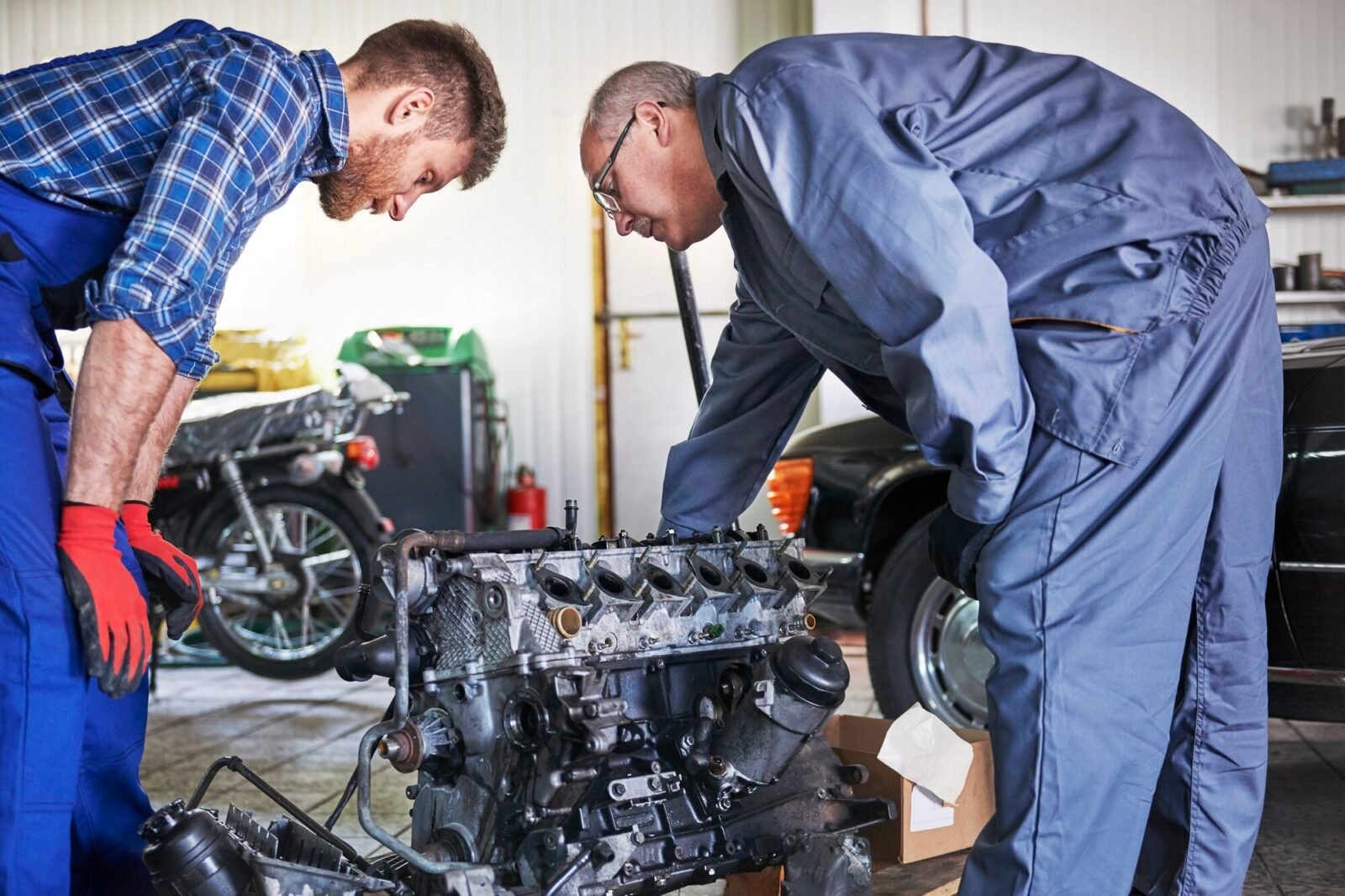
Small changes in the way your car sounds, starts, or drives can be easy to dismiss, especially when the vehicle still seems usable. However, unusual noises, warning lights, overheating, or a gradual loss of performance can indicate an underlying engine problem. Continuing to drive without investigating these signs may allow a relatively manageable fault to develop into a more complicated issue.
Recognising problems early does not guarantee that a major repair will be avoided, but timely diagnosis can help identify faults before additional components are affected. For Perth drivers, understanding the warning signs and arranging appropriate car engine repair when needed can be an important part of responsible vehicle maintenance.
Common Warning Signs of Engine Problems
Engines rarely develop serious faults without showing some indication first. Paying attention to changes in your vehicle can help you decide when professional inspection is appropriate.
Common warning signs include:
- Unusual engine noises: Knocking, tapping, rattling, or grinding sounds may indicate problems with internal components, belts, or other engine-related parts.
- Engine warning light: A check engine light can be triggered by anything from a sensor fault to a problem affecting engine operation. It should not automatically be assumed to be a major failure, but it should be investigated.
- Rough idling or hesitation: An engine that shakes, stalls or hesitates during acceleration may have an ignition, fuel, air or sensor-related problem.
- Reduced performance: A noticeable loss of power can indicate an issue that requires diagnosis.
- Excessive exhaust smoke: Smoke with an unusual colour or amount may indicate a problem involving oil, coolant or combustion.
- Oil or coolant leaks: Fluid underneath the vehicle should not be ignored, particularly when levels are dropping.
- Overheating: A rising temperature gauge or an overheating warning can indicate a cooling system problem that needs prompt attention.
- Poor fuel economy: A sudden change in fuel consumption may be associated with engine management, fuel delivery, or other mechanical issues.
- Difficulty starting: Repeated hard starting can have several causes, ranging from electrical and ignition problems to fuel or engine-related faults.
What Happens When Engine Problems Are Ignored?
The consequences depend on the fault and the vehicle, but continued driving with an unresolved problem can sometimes increase the extent of damage.
For example, a leaking coolant hose may initially be a relatively straightforward repair. If coolant loss becomes severe, however, the engine may overheat. Excessive heat can affect components such as the cylinder head, head gasket, and other engine parts.
Similarly, an oil leak can gradually reduce the amount of lubrication available to the engine. Low oil levels can increase friction and heat, potentially contributing to accelerated wear if the vehicle continues to operate without correction.
A faulty ignition component may initially cause hesitation or a rough-running engine. Continuing to drive with a combustion problem can affect drivability and, depending on the fault, may place additional stress on other components.
These examples do not mean every warning sign will develop into major damage. The important point is that the longer a fault remains undiagnosed, the less certain its eventual repair requirements may become.
Why Early Diagnosis Matters
One of the main advantages of addressing engine symptoms promptly is that a mechanic can investigate the underlying cause rather than simply responding to the most obvious symptom.
Modern vehicles use numerous sensors and electronic control systems to manage engine operation. A warning light, for example, may have several possible causes. Diagnostic equipment can help identify stored fault codes, while further testing is needed to determine what is actually causing the problem.
Professional engine repair services may also identify related issues that are not immediately obvious to the driver. This can help create a clearer picture of the vehicle’s condition and determine whether a component needs adjustment, repair, or replacement.
What Does an Engine Inspection Involve?
The inspection process varies according to the vehicle and symptoms. Depending on the situation, a mechanic may carry out:
- Visual inspection – Checking for damaged components, loose connections, leaks and visible signs of wear.
- Diagnostic scanning – Using suitable equipment to check electronic fault codes and engine-management information.
- Fluid checks – Examining engine oil, coolant and other relevant fluids for levels or signs of contamination.
- Leak checks – Investigating suspected oil, coolant or other fluid leaks.
- Component inspection – Examining belts, hoses, ignition components and other relevant parts.
- Compression testing – Where appropriate, checking cylinder compression to help investigate certain internal engine problems.
Testing should be based on the vehicle’s symptoms and the mechanic’s findings rather than applying the same procedure to every car.
When Should You Stop Driving?
Some warning signs need to be addressed more promptly than others. If your vehicle is overheating, producing heavy smoke, experiencing severe power loss, or making a persistent knocking sound, continuing to drive may increase the risk of damage.
Significant oil or coolant leaks should also be investigated promptly. If the temperature warning indicates overheating, safely stopping the vehicle and allowing it to cool is generally preferable to continuing to drive and potentially worsening the problem.
When in doubt, professional assessment is safer than trying to diagnose a serious mechanical fault while driving.
Regular Maintenance Still Matters
Early repairs are only one part of engine care. Following the manufacturer’s recommended servicing schedule can help identify developing issues and maintain important fluids, filters and components.
Regular servicing is particularly relevant to vehicles operating in demanding conditions. Perth’s hot weather, traffic congestion and long-distance driving can place additional demands on vehicles, making routine checks and maintenance worthwhile.
A consistent maintenance history can also help drivers spot changes in vehicle behaviour more easily. If the car suddenly begins using more oil, running roughly or consuming more fuel, the change is easier to recognise when normal operating behaviour is already familiar.
The Practical Benefit of Acting Early
There is no guarantee that early attention will prevent a major engine repair. Some faults can be expensive regardless of when they are discovered, while others may remain relatively minor when diagnosed promptly.
However, investigating warning signs gives mechanics in Perth an opportunity to identify the cause and assess the vehicle before a developing fault potentially affects additional components. For drivers searching for car engine repairs in Perth, the priority should be accurate diagnosis and appropriate repairs based on the vehicle’s actual condition.
Ultimately, unusual engine behaviour should not simply be written off as normal ageing. Paying attention to warning signs, maintaining the vehicle according to the manufacturer’s recommendations, and seeking professional advice when something changes can help you make informed decisions about your car’s condition.