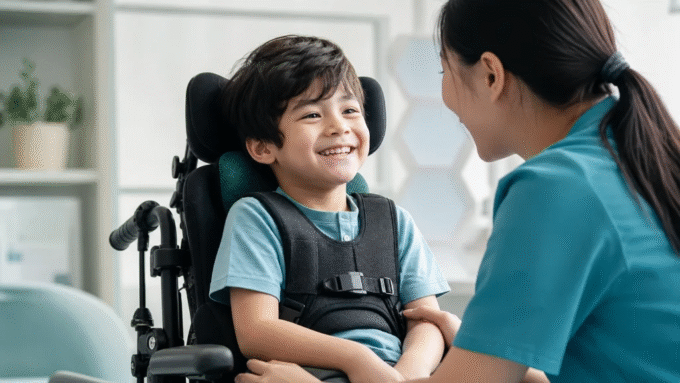
For individuals living with limited mobility, chronic illness, or severe injury, leaving the house to attend routine medical appointments presents a massive physical and emotional hurdle. Transporting a homebound loved one to an outpatient clinic often requires complex coordination, specialized wheelchair vehicles, and immense physical strain. Yet, when dealing with complex, non-healing wounds, consistent clinical evaluation is absolutely essential to prevent severe systemic complications.
This is where specialized in-home wound care for homebound patients bridges the gap. Delivered by dedicated mobile clinicians, including experienced providers like Rapid Recovery Wound Care, PLLC, mobile health services bring advanced diagnostic tools, specialized therapeutic dressings, and individualized medical oversight directly to the bedside. By shifting complex wound management into the comfort of the living room, patients experience lower infection risks, reduced physical stress, and optimized healing outcomes tailored specifically to their home environment.
Understanding the Challenges of Homebound Wound Recovery
When a patient is medically homebound, standard bodily recovery processes are often compromised by underlying health conditions like poor circulation, diabetes, or limited physical movement. Living with severe mobility limits introduces distinct physical and logistical obstacles to wound recovery:
-
Physical Transport Strain: Moving a homebound individual causes repeated mechanical friction against fragile tissue, worsening pain and interrupting delicate skin repair.
-
Prolonged Immobility: Extended sitting or lying in one position places sustained pressure over bony areas, accelerating skin breakdown and necrotic tissue formation.
-
Infrequent Clinical Monitoring: When clinic visits are skipped or delayed due to travel difficulties, subtle signs of tissue breakdown go unnoticed until severe complications develop.
-
Hospital Pathogen Exposure: Frequent visits to busy medical facilities increase unnecessary exposure to drug-resistant clinical superinfections.
Without accessible clinical oversight at home, minor skin tears, faint discoloration, subtle fluid increases, or mild odor often go unaddressed until significant tissue damage or systemic infection occurs. Homebound patients frequently suffer in silence until severe inflammation or sepsis forces an emergency room admission an outcome that proactive mobile care is explicitly designed to prevent.
Primary Types of Chronic Wounds Treated at Home
Mobile wound providers bring the full spectrum of advanced clinical protocols directly into private residences. Mobile care teams focus primarily on four major categories of chronic wounds commonly seen in homebound individuals:
1. Pressure Injuries (Decubitus Ulcers)
Pressure injuries develop when continuous pressure against bony areas such as the sacrum, heels, hips, or elbows restricts blood flow to surrounding tissues. Mobile clinicians assess tissue destruction levels (Stages 1 through 4, Unstageable, or Deep Tissue Injury) and implement specialized pressure-relieving techniques alongside advanced moisture-balancing dressings.
2. Diabetic Foot Ulcers
Patients with diabetes often suffer from peripheral neuropathy, which diminishes sensory awareness in the lower extremities. A minor skin abrasion or blister can go unnoticed, deteriorating into a deep ulceration. Mobile teams perform careful visual screenings, neurological checks, bedside debridement when indicated, and custom offloading strategies to protect vulnerable feet.
3. Venous and Arterial Leg Ulcers
Venous stasis ulcers stem from damaged vein valves that allow fluid to pool in the lower legs, resulting in skin breakdown. In-home providers utilize specialized multi-layer compression therapy systems to encourage healthy venous blood flow. Conversely, arterial ulcers, caused by poor arterial blood circulation, demand meticulous vascular checks and non-disruptive protective dressings to prevent deep tissue loss.
4. Non-Healing Surgical and Post-Traumatic Wounds
Post-operative wound complications, such as dehiscence (surgical site separation) or localized site infections, require structured clinical intervention. Receiving surgical wound changes at home minimizes hospital contamination risks and provides a controlled space for optimal tissue recovery.
Core Medical Benefits of In-Home Wound Care
Bringing specialized wound treatment directly into the home offers distinct physical and emotional advantages over traditional facility-based care:
-
Infection Control: Reduces unnecessary exposure to multi-drug resistant hospital organisms (such as MRSA or VRE) by keeping the patient in their own safe living space.
-
Personalized Care Plans: Tailors treatment protocols directly to the patient’s daily routine, dietary habits, and personal mobility limits.
-
Environmental Assessments: Allows clinicians to inspect actual bed surfaces, wheelchair cushions, and household lighting setups to remove underlying healing barriers.
-
Stress Reduction: Keeps patients relaxed in familiar surroundings, completely eliminating the exhausting physical transit to an outpatient office.
Routine home visits enable dedicated clinical teams, such as Rapid Recovery Wound Care, PLLC, to perform ongoing evaluations and fine-tune treatment protocols in real time without forcing the patient through repeated, stressful clinic visits.
Advanced Treatment Modalities Administered at Home
Modern mobile wound management goes far beyond simple gauze dressings. Today’s homebound patients receive evidence-based, hospital-grade therapies right from their bedsides:
-
Selective Bedside Debridement: Safely removes dead, devitalized, or infected tissue (necrotic bio-burden) from the wound bed using sterile techniques to encourage fresh cell growth.
-
Negative Pressure Therapy (NPWT): Applies controlled sub-atmospheric suction through portable wound vacs to pull wound edges together, reduce swelling, and draw out excess fluid.
-
Advanced Bio-Synthetics and CTPs: Utilizes biological dressings, collagen matrices, and cellular grafts to act as supportive scaffolds, guiding the patient’s natural cells to repair deep structural damage.
-
Moisture-Balancing Hydro-Responsive Dressings: Employs specialized hydrocolloids, absorbent alginates, hydrophobic foams, and antimicrobial silver dressings to maintain the exact moisture level required for fast healing.
The Vital Role of Family and Caregiver Integration
Effective healing doesn’t stop when the clinician leaves the home. Empowering informal caregivers and family members is a foundational element of mobile wound management. Clinicians prioritize four main areas when guiding family members on daily care:
-
Daily Inspection & Early Detection: Checking surrounding skin daily for new redness, swelling, unusual odors, or unexpected pain changes.
-
Clean Handling Practices: Learning hygienic dressing removal, proper hand sanitization, and clean surface setup to prevent localized contamination.
-
Safe Offloading & Turning Schedules: Repositioning the patient regularly using specialized pillows or foam wedges to keep pressure off vulnerable skin.
-
Nutrition & Fluid Tracking: Ensuring steady intake of protein, essential vitamins, and hydrating fluids to support rapid cellular synthesis and wound closure.
Step-by-Step Guide: What to Expect During an In-Home Visit
If you or a loved one are preparing for mobile wound care services, knowing what happens during a standard clinical visit helps ease anxiety and ensures a smooth process. A standard mobile visit follows a consistent six-step flow:
-
Step 1: Patient & Environment Assessment: Evaluating general vitals, current pain levels, and seating or bedding arrangements.
-
Step 2: Dressing Removal & Gentle Cleansing: Carefully removing old dressings without tearing delicate new tissue and flushing the wound bed with sterile solutions.
-
Step 3: Measurement & Digital Tracking: Measuring length, width, and depth in centimeters, followed by secure digital photography to track week-over-week progress.
-
Step 4: Targeted Application: Performing required bedside debridement or placing advanced biological topicals and moisture-balancing layers.
-
Step 5: Bandaging & Protection: Applying primary and secondary protective dressings matched precisely to current fluid drainage levels.
-
Step 6: Caregiver Briefing & Scheduling: Updating family members on healing progress, confirming supply re-orders, and booking the next evaluation.
Key Metrics: Tracking Healing Progress at Home
Clinicians track specific physical indicators to judge whether a wound is recovering as expected:
-
Exudate Volume: Fluid output should gradually decrease and shift from thick, discolored discharge to clear or light serous fluid.
-
Tissue Composition: Non-viable dark tissue or slough should shrink, making way for bright red, healthy granulating tissue.
-
Edge Advancement: The skin borders (epithelial margins) should steadily move inward toward the center of the wound.
-
Peri-Wound Health: The skin surrounding the wound should show reduced swelling, warmth, and softening of hardened borders.
Conclusion
Managing non-healing wounds for homebound individuals does not have to mean exhausting clinic visits or emergency room trips. Modern mobile wound care delivers hospital-grade clinical interventions directly to the patient’s bedside, combining convenience with advanced evidence-based medicine.
By eliminating travel-related trauma, lowering infection risks, and evaluating the patient’s actual living environment, personalized homebound care restores physical comfort and dramatically accelerates recovery. Dedicated medical practices like Rapid Recovery Wound Care, PLLC remain committed to transforming complex homebound wound management into a smooth, compassionate, and highly effective healing journey.
Frequently Asked Questions (FAQs)
How do I know if a homebound patient qualifies for in-home wound care?
Patients typically qualify if they face significant physical, neurological, or logistical barriers that make leaving home for medical care difficult or harmful to their health. A clinical evaluation determines eligibility based on mobility levels, underlying medical conditions, and wound complexity.
Is in-home wound care safe compared to visiting an outpatient clinic?
Yes, in-home wound care is exceptionally safe and carries a lower risk of exposure to healthcare-associated superinfections often found in busy public clinics. Mobile providers adhere to strict sterile protocols, using single-use medical supplies and protective equipment during every home visit.
What types of wounds can be successfully treated at home?
Mobile providers treat a wide variety of complex conditions, including pressure ulcers (bedsores), diabetic foot ulcers, venous stasis ulcers, non-healing surgical incisions, traumatic skin tears, arterial ulcers, and radiation-induced skin damage.
How frequently does a mobile wound care clinician visit the home?
Visit frequency depends on wound severity, drainage levels, and the overall treatment plan. Visits may occur several times a week for complex or heavily draining wounds requiring negative pressure management, transitioning to once weekly as the wound stabilizes and granulates.
Can advanced therapies like negative pressure wound therapy (wound vacs) be managed at home?
Yes. Portable negative pressure wound therapy units are routinely managed in the home setting. Mobile clinicians handle complete dressing changes, adjust pressure settings, monitor fluid collection, and train caregivers on simple day-to-day machine checks.