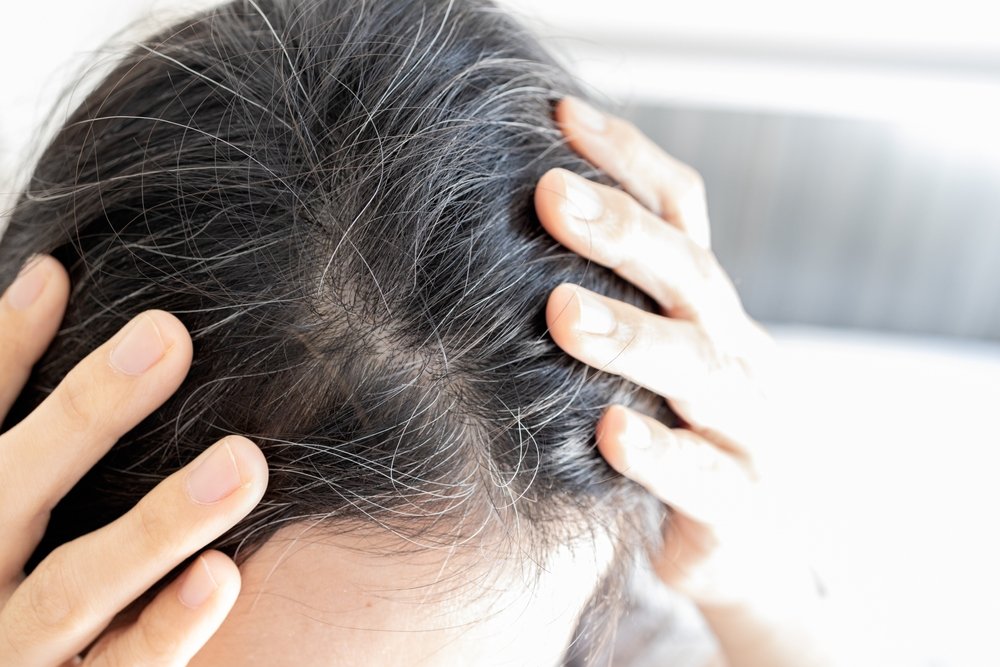
The number of treatments needed for white hair removal can vary considerably from person to person. Unlike dark hair, white hair contains little or no melanin, which makes conventional laser-based hair removal more challenging. Therefore, there is no universal number of sessions that can be recommended for everyone. If you are considering White Hair Removal Dubai, the expected number of treatments should be determined after evaluating the hair color, thickness, treatment area, skin type, and selected technology.
Why Can Multiple Treatments Be Necessary?
Hair grows through different phases, and energy-based hair-removal treatments are generally more effective when hairs are in an appropriate growth stage. Because follicles are not all active at the same time, a series of treatments may be needed to address hair as it enters a responsive growth phase. For conventional laser hair removal, dermatology sources commonly describe multiple sessions rather than a single treatment. However, these typical treatment schedules mainly apply to pigmented hair and should not automatically be applied to completely white hair.
Does White Hair Require More Treatments?
Not necessarily. The more important issue is whether the selected technology can effectively target the white hair in the first place. Conventional laser systems work by targeting pigment in the hair. Since white and grey hair contain considerably less pigment than dark hair, conventional laser treatment may be less effective. The American Academy of Dermatology specifically notes that laser hair removal does not effectively target white, grey, blonde, or red hair.
What Is a Typical Treatment Schedule?
For suitable pigmented hair, laser hair-removal sessions are commonly spaced several weeks apart. The exact interval depends on the treatment area, hair-growth cycle, skin characteristics, and treatment plan. White hair requires a more individualized approach. Rather than following a fixed schedule, the practitioner may assess the response after each treatment before deciding whether another session is appropriate.
Does the Treatment Area Affect the Number of Sessions?
Yes. Hair growth can differ between body areas, so treatment schedules are not necessarily identical. The upper lip, chin, underarms, legs, back, chest, and other areas can have different growth patterns and hair characteristics. A smaller facial area may require less treatment time per appointment, while a larger body area can require more extensive treatment planning. However, the size of the area does not determine whether white hair will respond to conventional laser treatment. Hair pigmentation remains a key consideration.
Does Hair Thickness Matter?
Hair thickness can influence treatment planning. White hairs may range from very fine strands to coarse, prominent hairs. Their response can therefore differ depending on their individual characteristics. A practitioner may examine the hair closely to determine whether any remaining pigmentation is present and whether the proposed treatment method is appropriate.
What If the Hair Is Partially Grey?
Grey hair can contain some remaining pigment, while completely white hair may contain very little or none. This distinction can affect treatment response. For example, a person may have dark, grey, and white hairs growing together in the same area. The pigmented hairs may respond differently from the completely white hairs. Consequently, the visible result may not be uniform across all hairs.
Can Technology Change the Number of Treatments?
Yes. The treatment method can influence how many sessions may be considered. Conventional laser hair removal depends heavily on melanin within the hair, while alternative or specialized approaches may work differently. Some published research has investigated combined energy approaches for white hair, but results from such studies should not be interpreted as a guaranteed outcome for every patient. One study involving white facial hair evaluated six sessions using combined optical and radiofrequency energy and reported measurable hair reduction, but individual outcomes can vary.
Can Skin Type Affect Treatment Planning?
Skin type is another important consideration. Energy-based hair removal must account for both the pigment in the hair and the pigment in the surrounding skin. The appropriate technology and settings can help reduce the risk of unwanted reactions. Professional assessment is particularly important for people with darker skin tones because inappropriate energy settings can increase the risk of pigment changes or burns.
Will Every White Hair Be Removed?
No treatment should be presented as a guarantee that every white hair will disappear permanently. White hair can be particularly difficult to target because of its low pigment content. Some hairs may respond while others remain visible. New hair can also appear over time because hair follicles naturally progress through different growth cycles.
When Is Another Session Considered?
The timing of another treatment should be based on the individual’s response and the recommended treatment interval. The practitioner may consider:
-
Changes in hair growth
-
Hair thickness and pigmentation
-
Skin response after the previous session
-
Treatment area
-
Growth-cycle timing
-
The technology being used
-
Whether further treatment is likely to provide meaningful benefit
This approach is generally more appropriate than scheduling a predetermined number of sessions without reassessment.
Why Is a Consultation Important?
A consultation can provide a more realistic estimate of the number of treatments that may be appropriate. The practitioner can examine the treatment area and distinguish between white, grey, and pigmented hairs. The consultation can also help determine whether conventional laser treatment is suitable or whether another method should be considered for hair that contains little or no melanin.
White Hair Removal at Dynamic Life Clinic
At Dynamic Life Clinic, treatment planning for unwanted white or grey hair can be individualized according to the patient’s hair and skin characteristics. The treatment area can be assessed before recommending an appropriate approach. Rather than promising a fixed number of sessions, an individualized plan can take into account the expected response, treatment technology, hair pigmentation, and the patient’s cosmetic goals.
Setting Realistic Expectations
The most important factor is not simply the number of treatments but whether the selected method can effectively target the hair. Conventional laser hair removal can require several sessions for suitable pigmented hair, but white hair presents a different challenge because of its lack of melanin. Patients should therefore ask about the expected response of their specific hair type before committing to a series of treatments. This can help avoid unrealistic expectations and unnecessary sessions.
Conclusion
There is no fixed number of treatments required for white hair removal. Conventional laser hair removal commonly involves multiple sessions for suitable pigmented hair, but completely white hair may respond poorly because it contains little or no melanin. The number of treatments for white hair should therefore be determined individually. Hair pigmentation, thickness, treatment area, skin type, technology, and response to previous sessions can all influence the treatment plan. A professional assessment is the best way to determine whether a particular method is suitable and how many sessions may reasonably be considered.