People considering a facial treatment often want to know what will happen during the session, how the skin may feel afterward, and what kind of results can realistically be expected. Hydrafacial is a multi-step skin treatment designed to cleanse, exfoliate, extract impurities, and hydrate the skin. Because it combines several skincare steps into one treatment, it has become a popular choice for people seeking a refreshed and smoother-looking complexion.
For individuals researching Hydrafacial In Islamabad, understanding the treatment process and expected results can make the decision easier. While individual outcomes can vary, most patients can expect a gentle procedure focused on improving the overall appearance and feel of the skin.
What Happens Before a Hydrafacial Treatment?
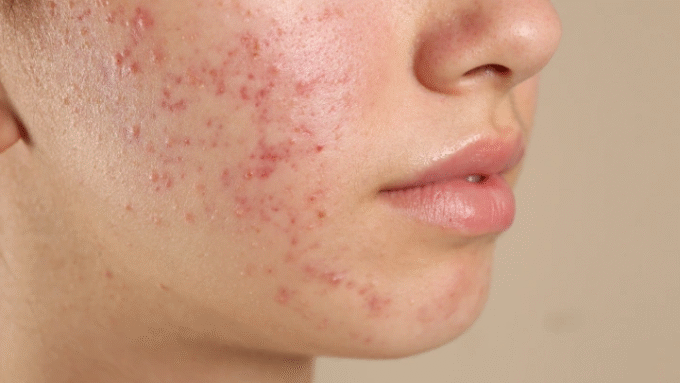
A Hydrafacial session generally begins with an assessment of the skin and discussion of the patient’s concerns. Common concerns may include dullness, dryness, uneven texture, excess oil, congestion, or visible pores. Understanding these concerns helps determine how the treatment should be approached.
The skin is typically examined to identify areas that may need additional attention. Patients may also be asked about their current skincare routine and any products or treatments they use. This step is useful because certain active ingredients or recent procedures may affect whether a facial treatment is appropriate at that time.
Patients should arrive with clean skin when possible and provide accurate information about their skincare history. Clear communication can help create a more comfortable and appropriate treatment experience.
How Does Hydrafacial Cleanse and Exfoliate the Skin?
One of the first stages of Hydrafacial focuses on cleansing the skin and removing surface buildup. Daily exposure to pollution, oil, makeup, and other environmental factors can leave impurities on the skin.
The treatment gently cleanses the surface before exfoliating dead skin cells. Removing this buildup can leave the skin feeling cleaner and smoother. Unlike harsh scrubbing, Hydrafacial uses a specialized device designed to provide controlled cleansing and exfoliation.
Patients may notice a mild sensation during this stage, but the treatment is generally designed to be comfortable. There is usually no need for aggressive rubbing or extensive downtime.
Can Patients Expect Pore Extraction During Hydrafacial?
Extraction is another important part of the Hydrafacial process. Pores can collect excess oil, dead skin cells, and other debris, which may contribute to a congested appearance.
Hydrafacial uses a gentle suction-based technique to help remove impurities from the pores. This can make the skin look cleaner and more refined. Patients with oily or combination skin may particularly appreciate this aspect of the treatment.
It is important to maintain realistic expectations. Hydrafacial does not permanently eliminate pores, and not every type of congestion can be removed in a single session. However, reducing surface buildup can contribute to a fresher overall appearance.
What Does the Hydration Stage Feel Like?
After cleansing, exfoliation, and extraction, the treatment focuses on hydration. This stage is an important reason why the skin may feel comfortable and refreshed following the procedure.
Hydrating solutions and skincare ingredients are applied to support moisture levels in the skin. Proper hydration can make the complexion appear softer, smoother, and more radiant.
Patients may notice that their skin feels more supple immediately after the session. Those with dry or dehydrated skin may especially appreciate the comfortable feeling that follows treatment.
The hydration stage also helps balance the more cleansing-focused parts of the procedure, creating a treatment that addresses both surface impurities and moisture needs.
What Can Patients Expect Immediately After Hydrafacial?
One of the appealing features of Hydrafacial is that many patients can return to their normal activities soon afterward. The skin may look fresh, clean, and hydrated following treatment.
Some individuals may experience mild temporary redness or sensitivity, particularly if their skin is naturally reactive. This usually settles relatively quickly, although the exact response varies from person to person.
Patients are generally advised to treat the skin gently after the session. Avoiding unnecessary irritation, excessive heat, and harsh skincare products immediately afterward can help maintain comfort.
Daily sunscreen is also important because freshly treated skin should be protected from excessive sun exposure.
How Long Can Hydrafacial Results Last?
The visible effects of Hydrafacial can vary depending on skin type, lifestyle, skincare habits, and the concerns being treated. Some patients may notice smoother and more radiant-looking skin soon after their session.
However, Hydrafacial should not be considered a permanent solution. The skin naturally continues to produce oil and shed cells, while environmental exposure can contribute to new buildup over time.
A consistent skincare routine can help maintain the refreshed appearance. Gentle cleansing, moisturizing, sun protection, and appropriate skincare products all play an important role.
For people considering Hydrafacial In Islamabad, treatment frequency should be determined according to individual skin needs rather than assuming that everyone requires the same schedule.
Is Hydrafacial Suitable for Different Skin Concerns?
Hydrafacial can be useful for several common cosmetic skin concerns, including dullness, dryness, surface roughness, mild congestion, uneven-looking texture, and a lack of radiance. Its multi-step approach allows several aspects of skin appearance to be addressed during one session.
However, suitability depends on the individual’s skin condition. People with active irritation, certain skin disorders, recent cosmetic procedures, or significant sensitivity may need professional advice before treatment.
Patients should also understand that Hydrafacial is primarily a skin-refreshing and maintenance treatment. More complex concerns, such as deep acne scarring or significant pigmentation problems, may require different procedures or a combination treatment plan.
A personalized assessment can help establish realistic expectations and identify the most appropriate approach.
Frequently Asked Questions
1. Is Hydrafacial painful?
Hydrafacial is generally designed to be comfortable. Patients may feel cleansing, exfoliation, and gentle suction during different stages, but significant pain is not typically expected.
2. Can patients wear makeup after Hydrafacial?
Patients should follow the aftercare guidance provided for their individual treatment. Depending on skin sensitivity and the specific products used, a short period without makeup may be recommended.
3. Does Hydrafacial have downtime?
Hydrafacial generally involves little downtime. Mild redness or sensitivity can occur temporarily, but many patients can return to their usual activities shortly after treatment.
4. How often can Hydrafacial be performed?
The appropriate treatment schedule depends on skin type, concerns, and individual goals. A professional assessment can help determine a suitable frequency rather than using the same schedule for every patient.
For more information visit Enfield royal clinic in islamabad