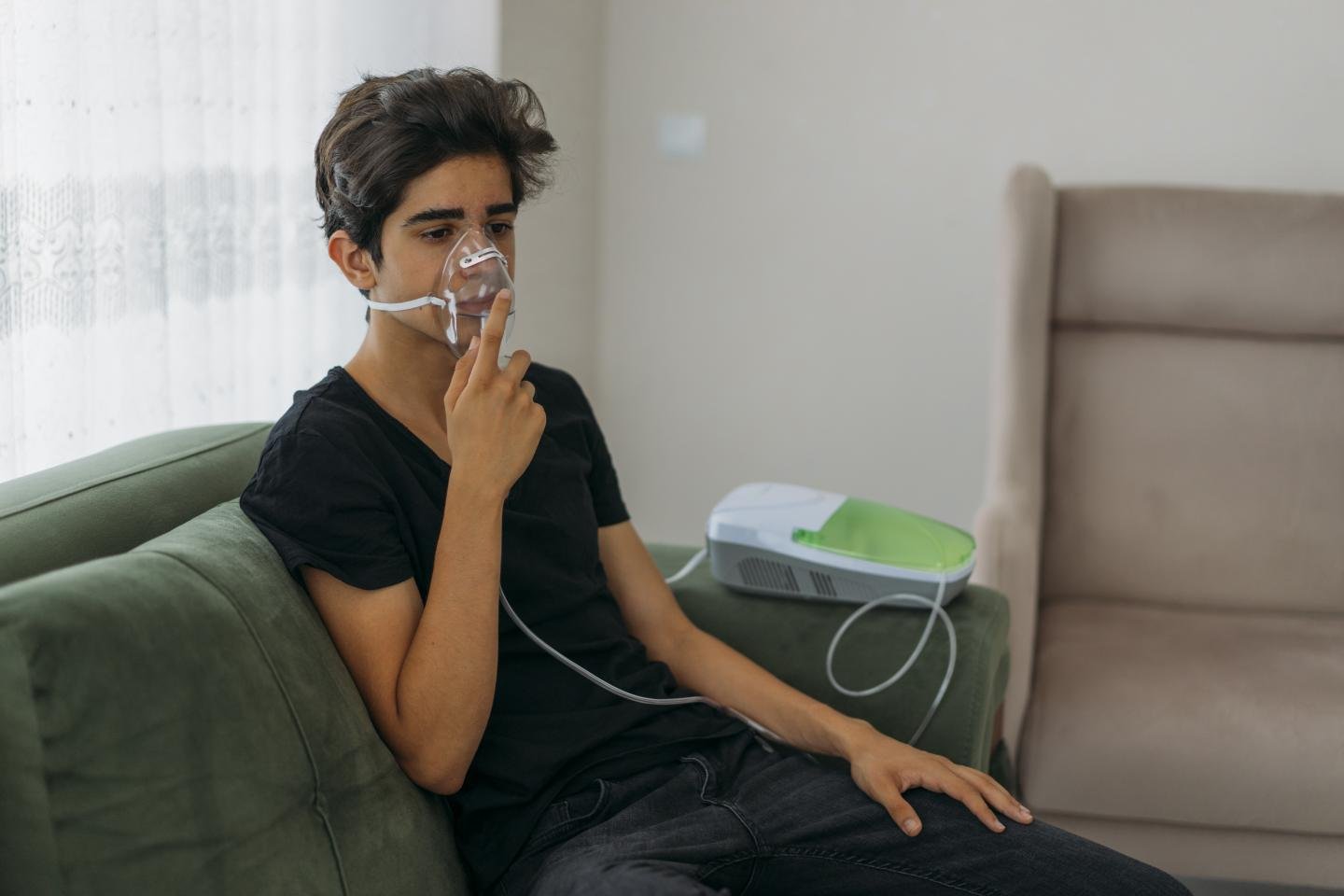
Patients who require supplemental oxygen need a care approach that matches their medical condition, prescribed oxygen requirements, lifestyle, and home environment. Oxygen Therapy At Home In Dubai can provide medically prescribed respiratory support while allowing eligible patients to receive care in familiar surroundings. With guidance from Doctor at Home, patients and caregivers can better understand oxygen prescriptions, equipment options, monitoring needs, and important safety precautions. Choosing the right support begins with a professional assessment and a clear understanding of how oxygen therapy fits into the patient’s overall care plan.
Understanding Your Oxygen Therapy Needs:
The first step in choosing appropriate oxygen support is understanding why oxygen has been prescribed. A healthcare professional may assess oxygen saturation, breathing symptoms, medical history, underlying conditions, and activity tolerance before recommending supplemental oxygen. Some patients may need oxygen temporarily during recovery, while others may require longer-term support. The prescribed plan can also specify whether oxygen is needed during rest, sleep, exercise, or throughout the day. Because oxygen requirements differ between patients, treatment should always be individualized.
Why Professional Assessment Matters:
Oxygen therapy is a medical treatment rather than a general solution for breathlessness or tiredness. A professional assessment helps determine whether supplemental oxygen is appropriate and establishes the correct flow rate and delivery method. Healthcare providers may use oxygen saturation measurements and other clinical information to evaluate the patient’s needs. Patients should not start oxygen independently or use someone else’s equipment or settings. Professional assessment also provides an opportunity to discuss existing medications, medical conditions, mobility limitations, and other factors that may affect home oxygen management.
Choosing Between Oxygen Equipment Options:
Different oxygen systems can support different home-care requirements. An oxygen concentrator extracts concentrated oxygen from surrounding air and generally operates using electricity. Oxygen cylinders contain stored oxygen and may be used according to a patient’s prescription. Portable oxygen systems can offer greater flexibility for some patients who need mobility. The most suitable option depends on the prescribed oxygen flow, duration of use, mobility needs, home environment, and professional recommendations.
Common equipment may include:
- Oxygen concentrators
- Portable oxygen concentrators
- Compressed oxygen cylinders
- Nasal cannulas
- Oxygen masks
- Oxygen tubing and connectors
- Pulse oximeters when recommended
Understanding Oxygen Flow Rates:
Oxygen flow rate is an important part of a patient’s prescription. It determines how much oxygen is delivered through the selected device. The appropriate flow rate varies according to the patient’s medical needs and should be established by a healthcare professional. Patients should never assume that a higher flow rate is automatically better. Increasing or decreasing the prescribed flow without professional advice can be unsafe and may interfere with the treatment plan.
Considering Your Daily Routine:
A patient’s lifestyle can influence the practical aspects of home oxygen therapy. Someone who primarily remains at home may have different equipment requirements from a patient who needs to move between rooms, attend appointments, or participate in approved activities. Patients should discuss their daily routine with their healthcare team so that the oxygen setup supports appropriate mobility without creating unnecessary safety hazards. Tubing, equipment placement, and access to electrical power should all be considered.
Planning Oxygen Therapy for Sleep:
Some patients may need supplemental oxygen while sleeping, depending on their medical condition and prescription. If nighttime oxygen is required, the equipment should be positioned safely before bedtime, and tubing should be arranged to minimize entanglement or tripping risks. Patients should follow the prescribed oxygen flow rate throughout the night and should not change settings because of temporary discomfort. Any new nighttime symptoms or concerns should be discussed with the healthcare provider.
Creating a Safe Home Environment:
Safety should be considered when selecting and positioning oxygen equipment. Oxygen can increase the intensity of combustion, so smoking and open flames must be kept away from oxygen equipment. The equipment should be placed in a stable and appropriate location that does not obstruct walkways. Families should also consider the patient’s mobility and fall risk when arranging tubing. A well-organized environment can make daily oxygen use more convenient while reducing avoidable hazards.
Maintaining Equipment Correctly:
Proper maintenance can help support reliable oxygen delivery. Patients and caregivers should follow the manufacturer’s instructions for cleaning and maintaining oxygen equipment. Tubing, nasal cannulas, masks, and connectors should be checked for visible damage or other problems. Equipment should not be modified or repaired without appropriate guidance. Patients should also understand how to contact their equipment provider if a technical problem occurs.
Monitoring Oxygen Saturation at Home:
Some patients may be instructed to monitor oxygen saturation using a pulse oximeter. This device commonly measures oxygen saturation and pulse rate through a fingertip sensor. Patients should use the device according to professional instructions and understand the oxygen saturation range established for their individual condition. Readings can be affected by movement, cold fingers, poor circulation, or incorrect placement, so unexpected readings should be interpreted alongside symptoms and discussed with a healthcare professional when appropriate.
Supporting Comfort During Oxygen Therapy:
Comfort is an important consideration when selecting and managing oxygen support. Nasal cannulas or masks may initially feel unfamiliar, and some patients may experience dryness or irritation. Proper positioning of the delivery device can help reduce unnecessary pressure on the nose, ears, or face. Patients should communicate persistent discomfort to their healthcare provider rather than stopping or modifying therapy independently. The healthcare team may be able to recommend appropriate adjustments or supportive measures.
Supporting Elderly and Limited-Mobility Patients:
Older adults and patients with limited mobility may require additional assistance with oxygen equipment. Caregivers can help organize tubing, position equipment, monitor relevant symptoms, and ensure that frequently used areas remain accessible. Fall prevention is particularly important when tubing extends between the oxygen source and the patient. Portable equipment may be considered for some patients, but its suitability should be determined according to the patient’s prescription and medical condition.
The Role of Caregivers:
Caregivers can help patients maintain a consistent oxygen routine by understanding the prescription and supporting safe equipment use. They may assist with equipment checks, supply organization, symptom observation, and scheduled appointments. Caregivers should know which changes require professional attention and who to contact if a concern develops. They should not independently change oxygen flow rates, discontinue therapy, or make other treatment decisions unless specifically instructed by a healthcare professional.
Preparing for Power Interruptions:
Patients who rely on electrically powered oxygen concentrators should understand their home’s power requirements and discuss backup planning with their healthcare provider or equipment supplier. Depending on the patient’s medical needs, an alternative oxygen source may be recommended for interruptions. Families should know how to respond if the concentrator stops working and should keep relevant emergency contact information accessible. Backup planning should be based on the patient’s prescribed oxygen requirements rather than a general assumption.
Balancing Mobility and Oxygen Support:
Some patients may continue appropriate daily activities while receiving oxygen. If mobility is part of the treatment plan, the healthcare provider can explain how the patient should move safely while using the prescribed equipment. Portable oxygen systems may support mobility for certain patients, but they should be used according to professional instructions. Patients should avoid activities that exceed their medical limitations and should seek guidance if normal activities become increasingly difficult.
When Professional Home Support Can Help:
Professional home healthcare support can be valuable for patients who need assistance managing oxygen therapy. Qualified healthcare professionals can provide education, reinforce prescribed instructions, observe the patient’s condition, and help caregivers understand daily care requirements. Home support may be particularly useful for elderly patients, people with limited mobility, and individuals managing complex chronic conditions. Professional assistance should work alongside regular medical care rather than replacing the patient’s treating healthcare team.
Recognizing Changes in Your Condition:
Patients should monitor their overall condition and communicate significant changes to their healthcare provider. Increasing breathlessness, unusual dizziness, confusion, persistent weakness, or reduced ability to perform usual activities may require medical evaluation. Severe breathing difficulty, chest pain, loss of consciousness, or sudden significant deterioration may require urgent medical attention. Oxygen therapy should not be used as a substitute for evaluating a new or worsening health problem.
Reviewing Your Oxygen Needs Over Time:
A patient’s oxygen requirements may change as their medical condition changes. Regular follow-up allows healthcare professionals to review symptoms, oxygen measurements, activity tolerance, and overall treatment needs. Patients should attend scheduled assessments and discuss any concerns about their current oxygen routine. Adjustments to oxygen flow, duration, or equipment should only be made under appropriate medical guidance.
Final Thoughts:
Choosing the right oxygen support involves more than selecting an oxygen device. Oxygen Therapy At Home In Dubai should be based on a professional assessment, individualized prescription, appropriate equipment, and a safe home environment. Patients and caregivers should understand the prescribed flow rate, monitor oxygen levels when advised, maintain equipment correctly, follow fire-safety precautions, and seek professional guidance when needs change. By building the oxygen routine around the patient’s medical requirements and daily circumstances, home respiratory care can become a more organized and manageable part of long-term healthcare.