The Hybrid Hair Transplant technique is a hair restoration approach that combines two or more established hair transplantation methods within a personalized treatment plan. Most commonly, the term refers to combining Follicular Unit Extraction (FUE) with Follicular Unit Transplantation (FUT) to increase graft availability and address extensive hair loss. If you are considering زراعة الشعر الهجينة في دبي, understanding how the technique works can help you discuss the most suitable approach with a qualified hair restoration specialist.
What Does Hybrid Hair Transplant Mean?
A Hybrid Hair Transplant generally combines FUE and FUT harvesting techniques during the same overall treatment plan. The main difference between these techniques is how the hair follicles are removed from the donor area.
With FUE, individual follicular units are extracted one at a time using a small punch. With FUT, a strip of hair-bearing scalp is removed from the donor area and carefully dissected into individual follicular units. Both techniques ultimately provide follicular grafts that can be transplanted into areas affected by hair loss. The Dubai Health Authority defines FUE as individual follicular-unit extraction and FUT as strip harvesting followed by microscopic dissection of follicular units.
The term “hybrid” is not necessarily standardized across clinics. Some providers use it specifically for FUE + FUT, while others use the term for combinations involving different implantation approaches. Therefore, patients should ask exactly which techniques are included in their proposed treatment.
How Does the Hybrid Technique Work?
The procedure starts with an assessment of the patient’s hair loss and donor supply. The surgeon determines how many grafts may be required and whether combining harvesting methods is appropriate.
Hair and Scalp Assessment:
The surgeon examines the pattern and severity of hair loss, donor hair density, scalp condition, hair characteristics, and the patient’s goals.
This assessment is important because not everyone needs a hybrid procedure. Some patients can achieve their desired coverage with FUE or FUT alone.
Treatment Planning:
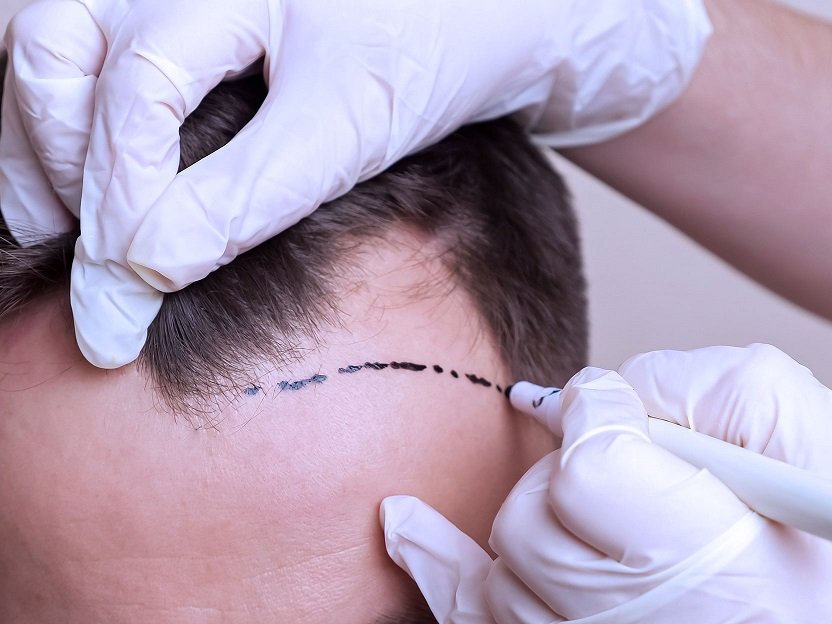
The surgeon designs the restoration plan according to the areas requiring coverage. The frontal hairline, mid-scalp, crown, or other thinning regions may require different levels of density.
The number of grafts needed is estimated, and the surgeon determines how donor follicles can be harvested while protecting the long-term donor supply.
FUE Graft Extraction:
During FUE, individual follicular units are removed from the donor area using a small punch. The follicles are extracted carefully to reduce unnecessary damage to surrounding hair.
FUE can be useful when the surgeon wants to selectively harvest individual grafts from the donor region.
FUT Graft Harvesting:
When FUT is included, a narrow strip of hair-bearing tissue is removed from the donor area. The strip is then divided into individual follicular-unit grafts under magnification.
FUT can provide a relatively high number of grafts from a concentrated donor area, although it leaves a linear scar at the donor site.
The order in which FUE and FUT are performed can vary according to the surgeon’s treatment plan. Some procedures use both methods in one coordinated session, while other plans may divide the stages across more than one day.
Why Combine FUE and FUT?
The primary purpose of a hybrid approach is to make use of the characteristics of both harvesting techniques.
FUE provides individual extraction, while FUT can produce a substantial number of grafts from a strip of donor tissue. Combining them may therefore be considered when a patient requires a larger number of grafts than the surgeon believes can be safely obtained using one technique alone.
Hybrid treatment may be considered for patients with more advanced hair loss who need broader coverage. However, it is not automatically better than FUE or FUT alone. The appropriate method depends on donor capacity, hair-loss pattern, desired coverage, hairstyle preferences, and the surgeon’s assessment.
What Happens After Graft Extraction?
After the follicles have been harvested, the grafts are carefully prepared for implantation. The surgeon creates recipient sites in the areas affected by hair loss, considering the natural direction, angle, and distribution of the patient’s existing hair.
The prepared grafts are then placed into these recipient sites. Single-hair grafts may be useful around the frontal hairline, while grafts containing multiple hairs can help provide density behind the hairline.
The objective is to create a natural transition between transplanted and existing hair.
Who May Benefit From a Hybrid Hair Transplant?
A hybrid approach may be considered for people who:
- Have moderate to extensive hair loss
- Require a relatively high number of grafts
- Have sufficient donor hair for harvesting
- Need coverage across several scalp areas
- May benefit from using more than one harvesting method
- Have realistic expectations about the procedure and results
The final decision should be based on an individual examination rather than the extent of hair loss alone.
Does Hybrid Hair Transplant Leave Scars?
The type of scarring depends on the techniques used. FUE generally leaves small extraction marks, while FUT produces a linear donor scar because a strip of scalp is removed and the area is closed afterward.
Scar visibility can vary depending on healing, surgical technique, donor characteristics, and how the patient’s hair is worn.
How Long Does It Take to See Results?
Hair transplantation does not produce immediate full growth. Some transplanted hairs may shed during the early recovery period before new growth begins.
New hair generally develops gradually over several months, with the final appearance taking longer to mature. Individual growth rates vary, so patients should follow their surgeon’s aftercare instructions and attend recommended follow-up appointments.
Frequently Asked Questions:
Is Hybrid Hair Transplant the same as FUE?
No. FUE is a specific method of harvesting individual follicular units. A hybrid procedure combines FUE with another technique, commonly FUT, within the overall treatment plan.
Is Hybrid Hair Transplant suitable for extensive hair loss?
It may be considered when a patient requires a large number of grafts and the surgeon believes combining techniques is appropriate. However, suitability depends on the individual’s donor supply and treatment goals.
Does everyone need a Hybrid Hair Transplant?
No. Many patients can achieve satisfactory restoration using a single technique. A hybrid approach should only be considered when it offers a meaningful advantage for the individual treatment plan.
Does FUT cause a permanent scar?
FUT leaves a linear donor scar. Its eventual visibility varies according to healing, surgical technique, scar characteristics, and hair length.
Conclusion:
The Hybrid Hair Transplant technique combines different hair restoration methods, most commonly FUE and FUT, to create a customized approach for patients who may need substantial graft coverage. FUE extracts individual follicular units, while FUT removes a strip of donor tissue that is dissected into grafts. The harvested follicles are then prepared and implanted into areas affected by hair loss. Because “hybrid” can refer to different combinations depending on the clinic, patients should ask their surgeon exactly which techniques will be used and why. A professional consultation is essential for determining whether this approach is appropriate for your hair-loss pattern and long-term restoration goals.