Fine hair can be more challenging to treat with laser hair removal than thick, dark hair because it contains less pigment and provides a smaller target for the laser. However, treatment may still be possible depending on the hair colour, skin tone, treatment area, and laser technology used. For people considering Laser Hair Removal in Silicon Oasis, an assessment of the hair and skin can help determine whether laser treatment is likely to provide useful reduction.
The Role of Hair Pigment
Laser hair removal works by directing light toward pigment in the hair follicle. Darker hair generally absorbs this energy more effectively, while very fine or lightly pigmented hair can be more difficult to target. The American Academy of Dermatology notes that hair colour and thickness are among the factors that influence treatment results.
Fine hair may therefore require more careful treatment planning rather than being automatically considered unsuitable.
Fine Hair and Laser Response
The response of fine hair depends partly on how much pigment it contains. Fine dark hair may respond better than fine blonde, grey, or white hair because there is more melanin available to absorb the laser energy. Dynamic Clinic’s general laser guidance also notes that very light to grey hair is less suitable for conventional laser hair removal.
Factors that can influence the response include:
-
Hair colour
-
Hair thickness
-
Hair density
-
Skin tone
-
Treatment area
-
Laser wavelength
-
Individual growth cycle
Facial Fine Hair Requires Careful Assessment
Fine facial hair can be particularly difficult to treat because facial hair may be influenced by hormonal activity. Areas such as the upper lip, chin, cheeks, and jawline can contain a mixture of fine and coarse hairs, meaning the response may not be uniform across the entire area.
A consultation can help distinguish between suitable pigmented hairs and very fine hairs that may respond poorly to laser treatment.
Choosing Appropriate Laser Technology
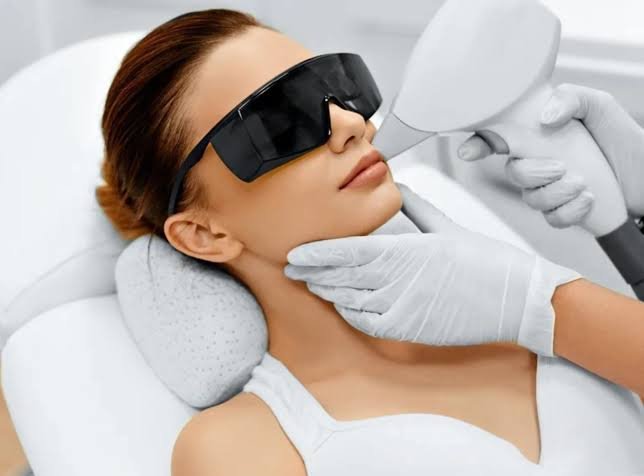
The laser wavelength and treatment settings should be selected according to the combination of skin tone and hair characteristics. Dynamic Clinic states that its Silicon Oasis service uses technologies including Alexandrite and Nd lasers, with the device selected according to factors such as hair condition, treatment area, and skin sensitivity.
The goal is to provide enough energy to target suitable follicles while limiting unnecessary exposure of the surrounding skin.
Treatment Progress Takes Time
Fine hair may require a series of sessions to determine how well it responds. Hair follicles grow through different phases, so repeated treatments are normally needed to address follicles during an appropriate growth stage. The AAD notes that patients commonly require multiple treatments and that results vary according to hair characteristics and the area treated.
Visible reduction may develop gradually rather than after one appointment.
When Laser May Be Less Effective
Laser treatment becomes more challenging when hair has very little pigment. White and grey hair generally provides an especially weak target because of its limited melanin. Red or very light hair can also respond poorly with some laser systems.
In such cases, the provider may explain that laser is unlikely to provide the same level of reduction achieved with darker, more pigmented hair.
Preparing Fine Hair for Treatment
Preparation should preserve the hair within the follicle while reducing irritation to the skin. Waxing and plucking are generally avoided because they remove the hair from the follicle, while shaving leaves the follicle available for laser targeting.
Before a session, patients may be advised to:
-
Avoid waxing and plucking
-
Follow recommended shaving instructions
-
Avoid excessive sun exposure
-
Keep the treatment area free from irritating products
-
Tell the provider about relevant medications or skincare products
Realistic Expectations for Fine Hair
Laser hair removal should be viewed as a method of hair reduction rather than a guarantee of complete removal. Fine hair may require a different treatment strategy from coarse hair, and some areas may respond more slowly or less completely.
A professional assessment can help establish whether the expected improvement is meaningful enough to justify a course of treatment.
Signs You Should Pay Attention To
Temporary redness, swelling, warmth, or mild discomfort can occur after laser treatment. Persistent burning, blistering, severe pain, scarring, or significant changes in skin colour should be reported to the treatment provider.
Checkpoint
Before treating fine hair, discuss its colour, thickness, density, and location with the provider. It is also important to consider your skin tone and previous experience with hair-removal treatments. If the hair contains sufficient pigment, laser may provide useful reduction; if it is extremely light or lacks pigment, expectations should be adjusted accordingly.
Why Consider Dynamic Clinic
Dynamic Clinic has a Silicon Oasis location and offers laser hair removal with treatment planning based on individual hair and skin characteristics. Its published information describes the use of different laser technologies and emphasizes selecting the device according to the patient’s hair condition, treatment area, and skin sensitivity.
An individualized consultation can help determine whether fine hair is an appropriate target and whether the selected laser approach is likely to provide worthwhile improvement.
Frequently Asked Questions
Does laser hair removal work on fine dark hair?
It can, although fine hair may be more difficult to target than thick hair. The amount of pigment present, skin tone, laser type, and treatment settings all influence the response.
Does laser work on fine blonde or white hair?
Laser treatment is generally less effective when hair contains very little pigment. Very light, grey, or white hair may not absorb enough laser energy to achieve meaningful reduction.
Can fine facial hair be treated with laser?
Some fine facial hair can respond when it contains sufficient pigment, but facial hair requires careful assessment because hormonal factors can influence growth and treatment response.
Will fine hair need more treatment sessions?
It may. Fine hair can respond less strongly than coarse, pigmented hair, so the number of sessions depends on the individual’s response rather than a fixed schedule.
Is laser the right option for every type of fine hair?
No. Hair colour and pigment are important considerations. A professional assessment can determine whether laser is appropriate or whether another hair-removal method would be more suitable.
Conclusion
Laser hair removal can work on some fine hair, particularly when the hair is sufficiently pigmented, but results are generally less predictable than with thick, dark hair. Hair colour, skin tone, treatment area, laser selection, and individual growth patterns all influence the outcome. A personalized assessment in Silicon Oasis can help determine whether fine hair is a suitable laser target and establish realistic expectations for progressive hair reduction.