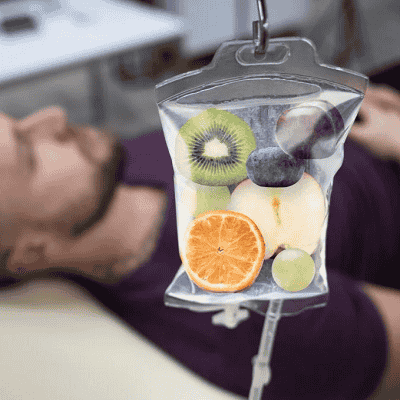
IV therapy and drinking water are two different ways to help the body maintain proper hydration. Both can play an important role in overall health, but they serve different purposes and are not equally necessary in every situation. While drinking water is the simplest and most accessible way to meet everyday fluid needs, IV Therapy delivers fluids directly into the bloodstream through an intravenous line under medical supervision.
Understanding the differences between IV therapy and drinking water can help individuals make informed decisions about hydration, recovery, and general wellness. The right approach depends on factors such as hydration levels, the body’s ability to absorb fluids, existing health conditions, and the reason additional fluids may be needed.
Although IV therapy has gained attention in wellness settings, it is important to distinguish medically necessary treatment from elective hydration services. Neither approach is automatically better than the other. Each has a specific role, and choosing the appropriate option helps support safety and effective hydration.
1. What Is IV Therapy?
IV therapy, short for intravenous therapy, is a method of delivering fluids directly into a vein through a small catheter. Because the fluids enter the bloodstream, they do not need to pass through the digestive system before becoming available to the body.
Healthcare professionals commonly use IV therapy in hospitals, emergency departments, and other appropriate medical settings to treat dehydration, replace certain electrolytes, and provide fluids when a person cannot drink enough. Depending on the patient’s condition, an IV solution may contain water, electrolytes such as sodium and chloride, glucose, or other prescribed substances.
IV therapy can be particularly useful when someone has experienced significant fluid loss from vomiting, diarrhea, heavy sweating, or another medical problem. It may also be necessary when swallowing is difficult or oral fluid intake cannot adequately address the person’s needs.
In some wellness settings, IV therapy is offered for hydration or general wellness purposes. However, the benefits of elective IV infusions for otherwise healthy, adequately hydrated individuals are not well established. Claims that IV therapy reliably boosts immunity, increases energy, improves skin quality, or delivers superior wellness benefits should be evaluated carefully.
The main advantage of IV therapy is its ability to deliver fluids directly into circulation when oral hydration is insufficient or inappropriate. Its use should be based on an individual’s needs rather than the assumption that intravenous delivery is always more effective.
2. How Does Drinking Water Support Hydration?
Drinking water is the body’s natural and practical way to maintain hydration. After water is swallowed, it travels through the digestive system and is absorbed primarily through the intestines. The absorbed water enters the bloodstream and is distributed throughout the body.
Water supports many essential functions, including regulating body temperature, transporting nutrients, lubricating joints, maintaining normal circulation, and helping the kidneys remove waste products through urine.
For most healthy people, drinking water throughout the day is sufficient to maintain fluid balance. The body continually loses water through urination, breathing, sweating, and bowel movements, so regular fluid intake helps replace those losses.
Daily hydration needs vary according to age, activity level, climate, diet, pregnancy status, and overall health. Someone exercising in hot weather may need more fluids than someone spending the day in a cool indoor environment. People who eat water-rich foods, such as fruits, vegetables, and soups, also receive some of their daily fluid intake from food.
Water is generally the preferred first option for everyday hydration because it is accessible, inexpensive, and does not involve needles or medical procedures.
For mild dehydration, drinking small amounts of water regularly may be enough. When vomiting or diarrhea causes substantial fluid and electrolyte loss, an oral rehydration solution may be more appropriate than plain water alone because it contains a carefully balanced combination of salts and glucose that supports fluid absorption.
People with medical conditions that require fluid restrictions, including certain heart or kidney problems, should follow individualized healthcare advice rather than increasing fluid intake without guidance.
3. IV Therapy vs. Drinking Water: The Main Differences
Although both methods help supply the body with fluid, IV therapy and drinking water differ in how they deliver fluids, when they are needed, and the risks involved.
Method of delivery: Drinking water enters through the mouth and is absorbed through the digestive system. IV therapy introduces fluid directly into a vein, bypassing the digestive tract.
Speed of delivery: IV fluids enter the circulation immediately, but the speed and volume of administration must be controlled. Drinking water also begins contributing to hydration as it is absorbed, and it is generally sufficient for routine fluid replacement.
Typical use: Drinking water is appropriate for everyday hydration and many cases of mild fluid loss. IV therapy is generally reserved for situations in which a person needs intravenous fluids because oral intake is inadequate, unsafe, or ineffective.
Electrolyte replacement: Plain water replaces fluid but does not provide meaningful amounts of electrolytes. Some IV solutions contain specific electrolytes, while oral rehydration solutions can replace both fluids and electrolytes through the digestive system.
Convenience: Drinking water is easy to access and can be consumed throughout the day. IV therapy requires equipment, sterile technique, trained personnel, and appropriate monitoring.
Cost: Drinking water is usually far less expensive than IV therapy. Intravenous treatment may involve professional fees, supplies, and monitoring, making it a more resource-intensive option.
Safety: Drinking reasonable amounts of water is safe for most people. IV therapy carries additional risks, including infection, bruising, inflammation of the vein, fluid overload, and electrolyte disturbances if the wrong solution or volume is administered.
These differences demonstrate why IV therapy should not automatically replace drinking water. For everyday hydration, oral fluids are generally the most practical choice. Intravenous fluids become important when a medical assessment indicates that a person needs them.
4. When Is IV Therapy Better Than Drinking Water?
IV therapy may be more appropriate than drinking water in certain medical situations. However, the decision depends on the severity of dehydration, the person’s symptoms, and whether the digestive system can absorb enough fluid.
Significant dehydration: Severe dehydration can affect circulation, blood pressure, kidney function, and consciousness. In these circumstances, a healthcare professional may recommend IV fluids to restore circulation and correct fluid deficits promptly.
Persistent vomiting: A person who repeatedly vomits may be unable to keep down enough water or oral rehydration solution. IV fluids may be necessary if oral hydration fails or the condition becomes serious.
Substantial diarrhea: Diarrhea can cause considerable losses of water and electrolytes. Oral rehydration is often effective for mild to moderate dehydration when the person can drink, but severe cases may require intravenous treatment.
Certain medical procedures or illnesses: Patients undergoing surgery or experiencing illnesses that prevent adequate oral intake may need IV fluids to maintain or restore fluid balance.
Difficulty swallowing or impaired oral intake: When drinking is unsafe or impossible, clinicians may use IV fluids while addressing the underlying cause.
In each situation, IV therapy treats a specific fluid or medical need. It does not necessarily resolve the underlying illness, and additional treatment may be required.
Warning signs of serious dehydration include confusion, fainting, unusual drowsiness, a rapid heartbeat, very little urine, and marked dizziness. These symptoms warrant prompt medical assessment. Severe symptoms should not be managed by relying on a wellness infusion or waiting for drinking water to take effect.
5. Can IV Therapy Provide More Benefits Than Drinking Water?
IV therapy is sometimes promoted as a faster or more powerful way to hydrate the body. While intravenous fluids can be valuable in appropriate medical circumstances, faster delivery does not automatically mean greater overall health benefits.
For a person who is already adequately hydrated, additional IV fluids may offer little or no meaningful advantage over normal drinking habits. The body regulates its fluid balance through the kidneys and other physiological mechanisms, and excess fluid must be managed and eliminated.
Elective IV infusions may also contain vitamins, minerals, or other ingredients. However, the presence of these substances does not establish that an infusion will improve energy, strengthen immunity, support weight loss, or enhance appearance. Evidence for many broad wellness claims remains limited, particularly among people who do not have a diagnosed deficiency.
Vitamin and mineral supplementation is most useful when there is a clear nutritional need or an established medical indication. Depending on the nutrient and the person’s condition, dietary changes or oral supplements may be more appropriate than intravenous administration.
IV therapy also introduces risks that are not associated with simply drinking a reasonable amount of water. These include catheter-related infection, vein irritation, allergic reactions to infused ingredients, and complications from excessive fluid administration. Certain individuals, especially those with heart or kidney conditions, may be more vulnerable to fluid overload.
For this reason, anyone considering IV therapy for wellness purposes should ask what the infusion contains, why it is recommended, whether there is evidence supporting its intended benefit, and what risks apply to their health circumstances.
The key distinction is that IV therapy can be essential when a medical condition requires it, but it is not a universal upgrade to ordinary hydration.
6. How to Choose the Right Hydration Method Safely
Choosing between IV therapy and drinking water begins with identifying the reason hydration support is needed.
For everyday hydration, drinking water regularly and responding to thirst are sensible starting points for most healthy adults. Water intake can be adjusted according to exercise, outdoor temperatures, and other factors that increase fluid loss.
For mild dehydration, water may be sufficient if the person can drink comfortably and there are no concerning symptoms. When diarrhea or vomiting causes electrolyte losses, an oral rehydration solution may provide a more appropriate balance of fluid and salts.
For more serious dehydration, persistent vomiting, or an inability to drink enough, medical evaluation can determine whether IV fluids are necessary. The amount and type of fluid should be selected according to the person’s condition, because different illnesses and electrolyte disturbances may require different treatment approaches.
A safe hydration plan should also account for existing health conditions. People with kidney disease, heart failure, or other conditions that affect fluid balance may need specific limits or medical guidance. Drinking excessive amounts of water in a short period can also be dangerous because it may dilute sodium in the blood.
When considering elective IV therapy, individuals should choose a service that conducts an appropriate health assessment, explains potential risks, uses sterile equipment, and provides treatment under qualified clinical supervision. They should be cautious of services that promise guaranteed results or suggest that IV infusions can replace balanced nutrition, adequate sleep, or medical treatment.
Ultimately, the best hydration method is the one that safely meets the body’s actual needs. Drinking water remains the preferred everyday option for most people, while IV therapy is a valuable medical intervention when oral hydration is not enough or cannot be used effectively.
Frequently Asked Questions About IV Therapy vs. Drinking Water
1. Is IV therapy more effective than drinking water?
IV therapy can be more effective when someone has severe dehydration, cannot tolerate oral fluids, or requires medically supervised fluid replacement. For most healthy individuals who need routine hydration, drinking water is effective and generally sufficient. The better option depends on the person’s condition rather than the delivery method alone.
2. How quickly does IV therapy hydrate the body?
IV fluids enter the bloodstream directly, so delivery begins immediately. However, the time needed to correct dehydration depends on its severity, the type and amount of fluid administered, and the person’s medical condition. Treatment speed should always be determined by a qualified healthcare professional.
3. Can drinking water replace IV therapy?
Drinking water can replace IV therapy in many cases of everyday hydration and mild dehydration. However, it may not be sufficient when dehydration is severe, oral intake is impossible, or electrolyte abnormalities require supervised treatment. A healthcare professional can determine the safest approach.
4. Is IV therapy safe for everyone?
No. Although IV therapy can be appropriate and beneficial when medically indicated, it carries risks such as infection, vein inflammation, allergic reactions, and fluid overload. People with certain heart or kidney conditions may require particular caution. A proper health assessment is important before treatment.
5. Does IV therapy provide more energy than drinking water?
IV therapy may help someone feel better if their symptoms are related to dehydration or a medically identified deficiency that the treatment appropriately addresses. However, there is limited evidence that elective IV infusions consistently increase energy in otherwise healthy, adequately hydrated people. Persistent fatigue should be evaluated to identify its underlying cause.
6. How can someone tell whether they need IV therapy?
Symptoms such as thirst, dark urine, and reduced urination can indicate inadequate fluid intake, although they do not establish the severity or cause of dehydration on their own. People who can drink may benefit from water or an oral rehydration solution, depending on their symptoms. Confusion, fainting, severe weakness, a rapid heartbeat, or very little urine may indicate a serious problem requiring urgent medical assessment.
Read More About IV Therapy: https://linkmate.mn.co/posts/a-guide-to-antioxidants-in-iv-therapy-treatments