Endolift Treatment is a minimally invasive laser procedure designed to improve skin firmness, refine facial contours, and address selected areas of localized fat. The treatment uses a thin optical fiber inserted beneath the skin to deliver controlled laser energy to targeted tissues. Patients considering إندوليفت في دبي should understand the procedure, preparation requirements, potential risks, and recovery expectations before deciding whether it suits their needs.
Step 1: Initial Consultation
The process begins with a consultation with a qualified practitioner. During this appointment, the practitioner discusses the patient’s concerns, desired improvements, medical history, and previous cosmetic treatments.
The patient may want to improve the appearance of the jawline, address mild skin laxity, or refine facial contours. The practitioner evaluates these concerns and explains what Endolift may realistically achieve.
Medical conditions, medications, allergies, and previous procedures should be disclosed. This information helps identify potential risks and determine whether another treatment may be more suitable.
Step 2: Assessing the Skin and Treatment Area
The practitioner examines the skin’s elasticity, thickness, and degree of laxity. The assessment also considers facial anatomy, tissue distribution, and the specific area requiring treatment.
Not every patient needs the same treatment approach. Someone with mild laxity may have different needs from someone with more noticeable sagging or substantial excess skin.
The practitioner may take photographs to document the initial appearance and help assess progress during follow-up appointments. Based on this evaluation, an individualized treatment plan is developed.
Step 3: Marking the Target Areas
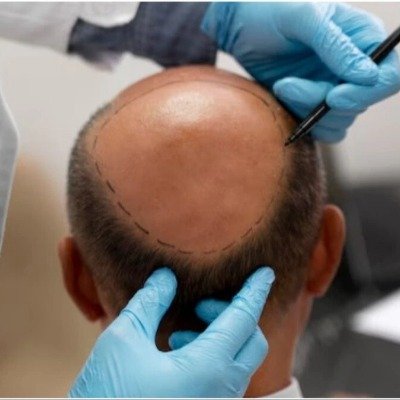
Before beginning the procedure, the practitioner identifies the areas where laser energy will be delivered. Small markings may be placed on the skin to guide treatment and help maintain an appropriate treatment pattern.
Careful planning is important because facial structures, tissue thickness, and skin concerns differ from one area to another. The practitioner should explain which regions will be treated and discuss the expected benefits and limitations.
Patients should have an opportunity to ask questions and confirm that they understand the procedure and its possible complications before providing consent.
Step 4: Cleaning and Preparing the Skin
The treatment area is cleaned using an appropriate skin-preparation method to reduce contamination. Depending on the treatment plan and individual needs, local anesthesia may be used to improve comfort.
The practitioner explains what the patient may feel during the procedure and provides instructions for remaining comfortable. Patients should follow any pre-treatment guidance and tell the practitioner about medications or supplements they use.
Prescribed medications should not be stopped unless the treating healthcare professional specifically recommends doing so.
Step 5: Inserting the Thin Optical Fiber
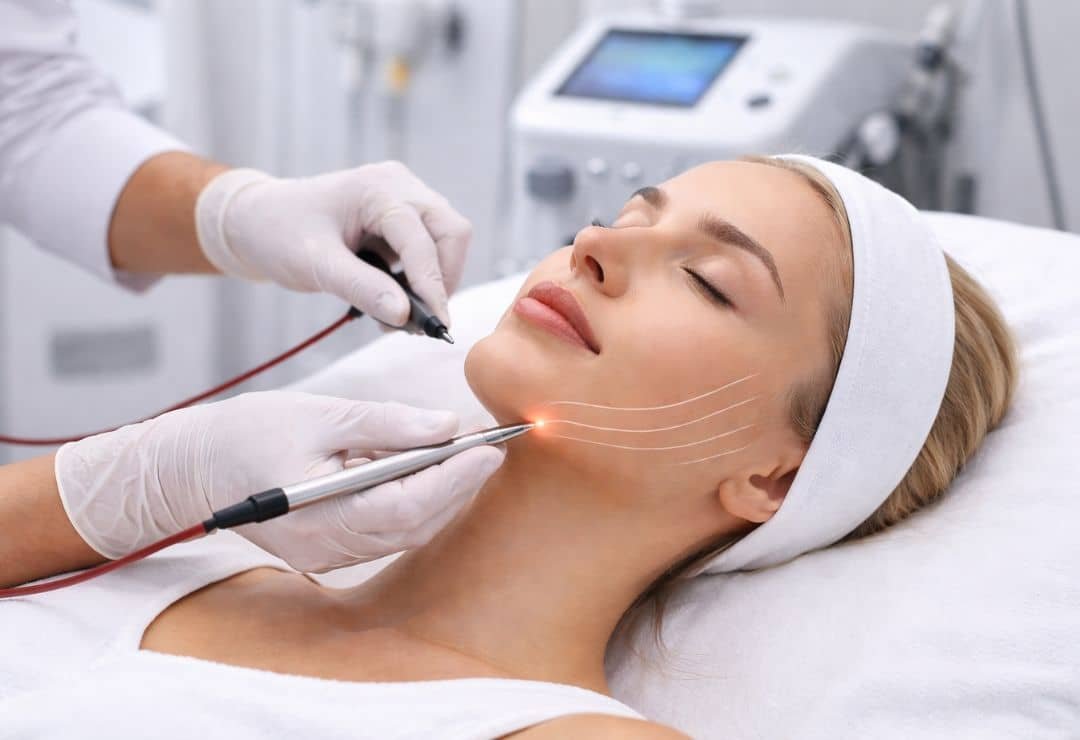
The main procedural step involves inserting a very thin optical laser fiber beneath the skin through a small entry point. Unlike surface-based laser treatments, Endolift delivers energy directly into selected tissue layers.
The practitioner positions the fiber according to the planned treatment area and the patient’s anatomy. This requires appropriate training and knowledge of the tissues and structures beneath the skin.
Although the entry point is small, Endolift is not completely non-invasive. The insertion process can cause temporary discomfort, swelling, bruising, or other complications.
Step 6: Delivering Controlled Laser Energy
Once the fiber is positioned, laser energy is delivered to the targeted tissues. The practitioner moves the fiber carefully through the planned areas while controlling the energy delivered.
The heat produced by the laser can cause tissue contraction and may stimulate remodeling processes that contribute to changes in skin firmness. Depending on the treatment plan, the energy may also affect selected localized fat deposits.
The exact technique and energy settings depend on the treatment area and the patient’s characteristics. Appropriate control is essential to reduce the risk of burns, uneven contours, nerve injury, or other complications.
Patients may notice warmth, pressure, or mild discomfort. The practitioner should monitor the patient’s comfort and the treatment area throughout the procedure.
Step 7: Completing the Procedure
After the planned areas have been treated, the practitioner removes the fiber and assesses the entry points and surrounding skin. The area is checked for immediate concerns, and any necessary basic wound-care measures are provided.
The practitioner then explains the expected recovery process and gives instructions tailored to the patient’s treatment. The length of the appointment depends on the number and size of the areas being treated and the complexity of the procedure.
Step 8: Following Aftercare Instructions
After Endolift Treatment, patients may experience temporary redness, swelling, bruising, tenderness, or mild discomfort. The severity and duration of these effects vary.
Patients should follow the practitioner’s guidance regarding cleansing, skincare products, physical activity, and pressure on the treated area. They should avoid manipulating the entry points and attend recommended follow-up appointments.
Severe or increasing pain, spreading redness, fever, unusual discharge, significant skin discoloration, or new facial weakness requires prompt medical assessment.
Step 9: Monitoring Results and Recovery
Some changes may become noticeable relatively early, but initial swelling can affect the appearance of the treated area. Improvements may continue to develop over several weeks or months as healing and tissue remodeling progress.
Results vary depending on skin quality, anatomy, treatment technique, and individual healing. Endolift cannot guarantee a specific degree of tightening, and it may not provide the same results as surgery for people with significant excess skin.
A follow-up assessment allows the practitioner to review recovery, evaluate changes, and discuss whether further treatment or another approach may be appropriate.
Frequently Asked Questions:
How long does Endolift Treatment take?
The duration depends on the number of treatment areas and the complexity of the plan. The practitioner can estimate the appointment length after evaluating the patient’s needs.
Is Endolift Treatment painful?
Local anesthesia may be used to improve comfort. Patients can still experience pressure, warmth, or some discomfort during or after treatment.
How many Endolift sessions are needed?
Some patients may have one session, while others may need an individualized plan. The number of sessions should be determined by a qualified practitioner rather than assumed in advance.
Is there downtime after Endolift Treatment?
Recovery varies. Some patients return to light activities relatively soon, but swelling, bruising, and tenderness can persist. Follow the specific aftercare instructions provided by the practitioner.
Is Endolift Treatment suitable for everyone?
No. A medical assessment is necessary to determine suitability, review potential risks, and establish whether the expected benefits match the patient’s goals.
Conclusion:
Endolift Treatment generally involves consultation, skin assessment, treatment planning, preparation, insertion of a thin optical fiber, controlled laser delivery, and post-procedure care. Each step requires careful technique and appropriate patient selection. Before proceeding, patients should discuss potential complications, realistic outcomes, and recovery expectations with a qualified practitioner who can provide an individualized recommendation.