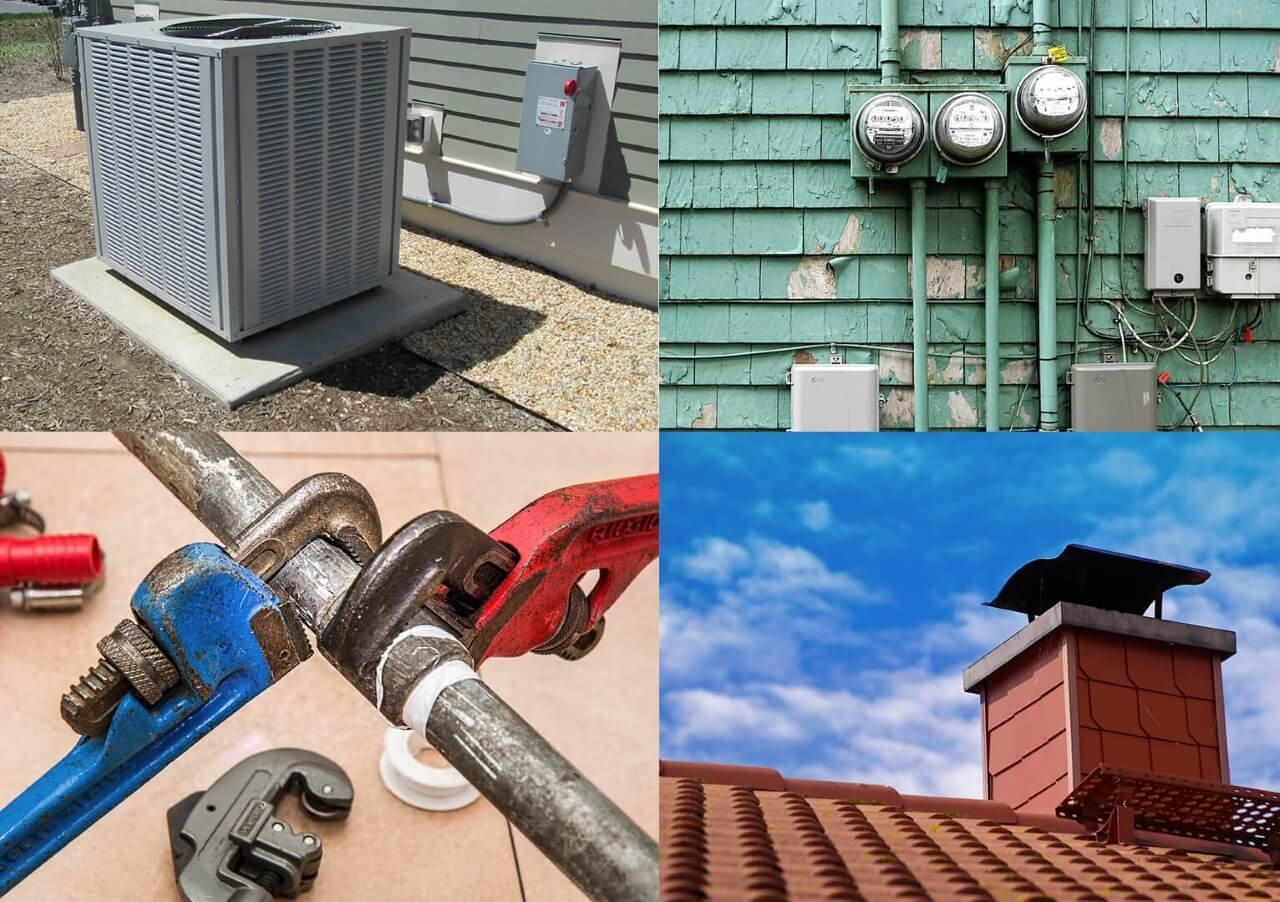
A 4 point inspection is a focused examination of four important systems in a residential property: the roof, electrical system, plumbing system, and heating, ventilation, and air conditioning (HVAC) system. Insurance companies may request this inspection to understand the property’s condition before approving a new policy or renewing existing coverage. It is especially common for older homes where aging materials or outdated equipment may present additional risks. The inspection helps identify visible damage, maintenance concerns, and components that may need further evaluation. For homeowners, understanding the process can make it easier to prepare the property and respond to an insurer’s requirements.
Why Insurance Companies Require a 4 Point Inspection
Insurance providers evaluate several factors when deciding whether to insure a home. The age and condition of major systems can influence the likelihood of water damage, electrical fires, roof leaks, and equipment failures. A 4 point inspection in Port St Joe provides information about these systems so the insurer can assess potential risks. Some companies request it for older properties, while others may have different requirements based on location, policy type, or underwriting guidelines. Homeowners should check with their insurance agent before arranging an inspection because the required form and acceptable documentation may vary. Completing the inspection does not automatically guarantee policy approval or lower insurance premiums.
Examining the Roof’s Condition
The roof is the first line of defense against rain, wind, and other weather conditions. During the inspection, visible roofing materials may be examined for missing shingles, cracked tiles, damaged flashing, signs of leakage, and general deterioration. The inspector may also document the roof’s approximate age and estimated remaining useful life when the required form asks for this information. Water stains on ceilings or walls can indicate possible roof leaks, although other sources of moisture may also be responsible. Homeowners should keep records of roof replacement and repair work available. Addressing visible damage before it becomes more extensive can help protect the home and reduce the risk of costly repairs.
Evaluating the Electrical System
Electrical systems require careful attention because damaged wiring or faulty components can create fire and safety hazards. During a 4 point inspection, the inspector may examine accessible electrical panels, visible wiring, and other components within the inspection’s scope. Signs of overheating, exposed conductors, damaged insulation, and improper modifications may be documented. Certain older electrical panels or wiring types may receive additional scrutiny from insurance companies. However, the specific concerns depend on the property’s equipment and the insurer’s requirements. If the inspector identifies a potential hazard, a licensed electrician may need to perform a more detailed assessment. Homeowners should never remove electrical panel covers or attempt repairs unless qualified to do so.
Checking Plumbing Pipes and Fixtures
Plumbing problems can cause significant property damage when leaks remain undetected. Water escaping from pipes, fixtures, or connections may damage cabinets, floors, walls, and other building materials. During the inspection, accessible supply lines, drain connections, faucets, water heaters, and visible plumbing components may be reviewed for leakage, corrosion, and deterioration. The inspector may also document the type and approximate age of the plumbing materials where this information is available. Since many pipes are concealed inside walls or beneath floors, the inspection cannot confirm the condition of every part of the plumbing system. If there are signs of hidden leakage or extensive corrosion, a qualified plumber may recommend additional testing.
Reviewing Heating and Cooling Equipment
The HVAC system helps maintain comfortable indoor temperatures and supports proper air circulation. During a 4 point inspection, accessible heating and cooling equipment may be checked for visible damage, leakage, deterioration, and general maintenance concerns. The inspector may record the equipment type and approximate age if required. Blocked condensate drains, damaged connections, and neglected equipment can contribute to operational problems or moisture damage. However, a standard insurance inspection does not necessarily include detailed performance testing or a complete mechanical evaluation. Homeowners who notice unusual noises, inconsistent temperatures, or repeated equipment failures should consider having an HVAC technician examine the system and recommend appropriate repairs.
Preparing Your Home for the Inspection
A little preparation can help the inspection proceed smoothly. Before the appointment, gather records for roof repairs, electrical upgrades, plumbing work, and HVAC maintenance. Make sure accessible areas around the electrical panel, water heater, and mechanical equipment are clear where it is safe to do so. Check for obvious leaks, damaged fixtures, and other maintenance issues that may need attention. If repairs have already been completed, keep invoices, permits, and contractor reports available. During a 4 point inspection, the inspector may need to document visible conditions and supporting evidence according to the required form. Avoid hiding defects or making temporary changes simply to improve the appearance of the property.
Understanding the Inspection Report
After the visit, the inspector prepares a report documenting the condition of the four major systems. Depending on the required form, the report may include photographs, system ages, visible deficiencies, and other details requested by the insurance company. Homeowners should review the findings carefully and ask for clarification if a statement is unclear. If the report identifies a problem, the insurer may request repairs, additional documentation, or an evaluation by a qualified specialist. The next steps depend on the insurer’s underwriting rules and the seriousness of the concern. Keeping a copy of the completed report and any repair documentation can help homeowners respond efficiently to follow-up requests.
Differences Between a 4 Point Inspection and a Full Home Inspection
Although these inspections both examine property conditions, their purposes and scope are different. A full home inspection typically covers a broader range of accessible areas, including interior spaces, exterior components, structural features, and major systems. A professional inspection service in Port St Joe concentrates on the roof, electrical system, plumbing, and HVAC equipment, often to satisfy insurance requirements. It is not intended to provide a complete assessment of every part of a home. Someone purchasing a property may still benefit from a full home inspection to understand its overall condition before completing the transaction. Homeowners should confirm which type of inspection is needed for their specific situation rather than assuming one can replace the other.
Choosing the Right Inspector
Selecting a qualified inspector helps ensure that the report is completed accurately and follows the insurer’s requirements. Before scheduling, ask about the inspector’s training, relevant credentials, applicable licensing requirements, and experience with insurance-related inspections. Confirm that the inspector uses the form accepted by your insurance company and ask which areas must be accessible during the visit. It is also useful to understand the expected report delivery time and whether photographs or supporting documents are included. If a concern falls outside the inspection’s scope, the inspector may recommend a specialist. Clear communication can help prevent misunderstandings and reduce delays during the insurance review.
Keep Your Property Ready for Insurance Review
A 4 point inspection helps document the visible condition of the roof, electrical system, plumbing, and HVAC equipment. These systems play an important role in protecting a home from leaks, fire hazards, equipment failures, and other avoidable problems. Maintaining them, keeping repair records, and addressing known defects can make the inspection process easier. Although the report cannot uncover every hidden issue or guarantee insurance approval, it provides useful information for property owners and insurers. By understanding the inspection requirements and following up on any findings, homeowners can take practical steps toward maintaining their property and managing potential insurance concerns.