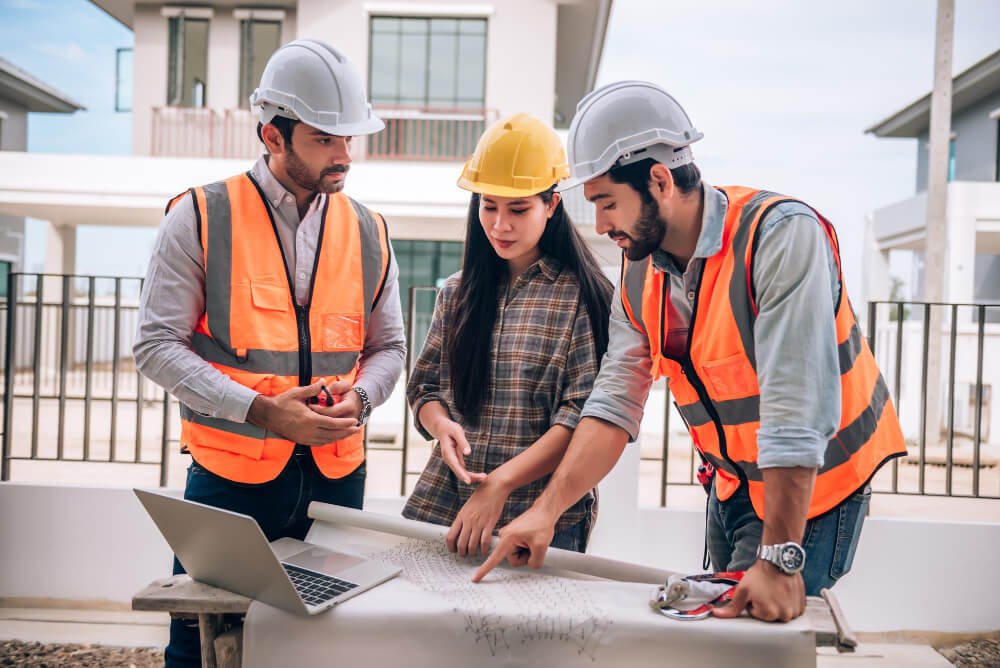
Construction projects involve many tasks, from preparing the building site to completing the final details. Each stage requires proper planning, suitable materials, and coordination between workers. A construction contractor helps manage these responsibilities and works with property owners to turn building plans into finished structures.
A contractor may handle new home construction, commercial buildings, remodeling, room additions, structural repairs, and other property improvements. Depending on the agreement, the contractor may manage the entire project or oversee specific parts of the work. Responsibilities can include arranging materials, coordinating subcontractors, monitoring schedules, and making sure construction follows approved plans.
Hiring a suitable contractor can make a complicated project easier to manage. Property owners can discuss their goals, establish a realistic budget, and understand the work required before construction begins. Clear communication from the beginning also helps prevent misunderstandings during the project.
Planning Before Construction Begins
Good planning is essential for a successful building project. Before work starts, property owners should decide what they want to build, how the space will be used, and how much they can spend. These decisions provide a foundation for the design, material selection, and construction schedule.
A construction contractor may review the property, study the project plans, estimate labor and material costs, and identify the workers needed for each stage. Depending on the size and complexity of the project, architects, engineers, surveyors, or other specialists may also be involved.
Planning should account for permits, site access, utility connections, material deliveries, and possible delays. Property owners should also discuss their preferred finishes and important design details before work begins. Making decisions early can reduce costly changes and help the project progress more smoothly.
Residential Construction for Homeowners
Residential construction includes building new houses, adding rooms, expanding kitchens, constructing garages, and improving existing living spaces. Each project should reflect the property’s layout, the homeowner’s needs, and the requirements of local building regulations.
A new home project generally begins with site preparation and foundation work. The structural frame is then built, followed by roofing, exterior protection, plumbing, electrical installations, insulation, and interior finishing. Each stage must be completed in the correct order so later work does not interfere with earlier installations.
A construction contractor in Bronx coordinates these activities and helps keep the work organized. Homeowners should discuss their priorities early, such as extra bedrooms, storage areas, energy efficiency, or accessible living spaces. A clear plan makes it easier to choose suitable materials and control the overall project cost.
Commercial Building and Business Properties
Commercial construction requires attention to the needs of businesses and the people who use their buildings. Offices, retail stores, warehouses, restaurants, and other commercial properties may require different layouts, utility systems, access arrangements, and safety features.
A contractor may coordinate structural work, exterior construction, interior partitions, flooring, lighting, and other installations. Commercial projects can also involve specialized equipment or building systems, depending on the intended use of the space.
Scheduling is especially important when a business has an opening date or needs to continue operating during renovations. Property owners should discuss working hours, deliveries, noise, site access, and safety arrangements before construction starts. A realistic schedule helps coordinate workers and materials while reducing avoidable disruption.
Renovation and Remodeling Projects
Renovation can improve the appearance, comfort, and function of an existing building. Common projects include kitchen remodeling, bathroom upgrades, basement finishing, flooring replacement, interior changes, and property extensions. Some renovations are mainly cosmetic, while others involve structural work or changes to essential building systems.
Before starting, the contractor should review the existing property and identify visible problems that could affect the project. Older buildings may have water damage, deteriorated framing, outdated wiring, or plumbing issues that need attention before new materials are installed.
A construction contractor can help organize the work and explain which tasks should be completed first. Property owners should agree on the scope, materials, schedule, and payment terms before the project begins. If unexpected problems appear, the contractor should explain the available options and obtain approval for additional work where required.
Foundation and Structural Construction
The foundation supports the building and transfers its weight into the ground. Its design depends on the soil, building size, site conditions, drainage, and engineering requirements. Proper construction is essential because foundation problems can affect the stability of the entire structure.
Foundation work may involve excavation, ground preparation, reinforcement, formwork, and concrete placement. The correct approach should follow approved plans and applicable building standards. Site drainage and soil conditions must also be considered when planning the foundation.
Structural construction can include framing, installing support beams, repairing damaged components, or changing an existing floor plan. These tasks require careful evaluation because structural mistakes can create serious safety concerns. Removing a load-bearing wall or making significant changes to a building should involve qualified professionals and any required permits or engineering approvals.
Roofing, Flooring, and Interior Finishing
Once the main structure is complete, the project moves toward weather protection and interior finishing. Roofing, exterior walls, windows, and doors help protect the building from rain, wind, and temperature changes. Proper installation helps reduce the risk of leaks and damage to interior materials.
Interior finishing may include drywall, painting, cabinetry, flooring, trim, lighting, and fixtures. Material choices should reflect the intended use of each room. For example, moisture-resistant finishes may be suitable for bathrooms, while durable flooring may be more practical for busy commercial spaces.
The contractor must coordinate different trades so that each task is completed at the right time. Plumbing and electrical installations usually need to be completed and checked before walls are closed. Flooring and decorative finishes should be protected during later stages of work. Good coordination can reduce rework and help maintain the project’s schedule.
Construction Costs and Budget Management
The cost of a construction project depends on its size, design, materials, labor, site conditions, and local requirements. Custom features, difficult access, changes to the original plans, and hidden damage can increase expenses.
A detailed estimate should explain the expected costs for labor, materials, equipment, permits, and waste removal. Property owners should also ask which items are excluded and how additional work will be priced. Reviewing these details makes it easier to compare estimates from different contractors.
It is wise to set aside money for unexpected expenses, especially when renovating an older property. Owners can manage their budget by finalizing major decisions early, selecting materials carefully, and approving changes in writing. Choosing the lowest bid without reviewing the scope of work may lead to additional costs later.
Choosing a Qualified Construction Contractor
Selecting the right contractor is one of the most important steps in a construction project. Property owners should review previous work, relevant experience, references, required licenses, and insurance coverage. The necessary qualifications depend on the location and type of construction.
Ask for a written contract that outlines the project scope, materials, payment schedule, estimated completion date, and responsibilities of each party. It should also explain how delays, unexpected repairs, and design changes will be managed. A detailed agreement provides a clear reference throughout the project.
Communication is equally important. The contractor should provide progress updates, explain problems, and answer questions about the work. Property owners should be cautious of vague estimates, pressure to pay the entire amount upfront, or promises that are not included in the agreement. Reviewing the details before signing can help reduce the risk of disputes.
Construction Safety and Building Regulations
Safety must remain a priority throughout construction. Building sites may contain heavy equipment, open excavations, electrical hazards, unfinished stairs, and elevated work areas. Construction service in Bronx should follow applicable safety requirements, use suitable protective equipment, and keep the work area organized.
Building regulations may cover structural strength, fire protection, ventilation, plumbing, electrical systems, and accessibility. Depending on the project, permits and inspections may be required before work starts or before certain stages can continue. Property owners should confirm these requirements with the relevant local authorities.
Keeping copies of permits, approved plans, inspection records, and completion documents can be helpful for future repairs, insurance matters, and property sales. These records also make it easier to understand how the building was constructed and which materials or systems were installed.
Maintaining Your Property After Construction
Once construction is complete, regular maintenance helps protect the building and its installed systems. Property owners should check roofing, drainage, exterior walls, plumbing fixtures, and other important components for signs of wear or damage. Small problems should be addressed before they lead to more extensive repairs.
During the final walkthrough, review the completed work with the contractor and document any unfinished items. Request applicable warranties, product details, maintenance instructions, and inspection approvals. Keeping these records in one place can make future maintenance easier.
Working with a qualified construction contractor helps property owners organize building projects, manage costs, and coordinate essential tasks. By planning carefully, choosing suitable materials, and maintaining clear communication, homeowners and business owners can make informed decisions throughout construction. Proper workmanship and ongoing maintenance can help preserve the building’s safety, function, and value for years to come.