
Menopause is a natural stage of life that brings changes in hormone levels and can affect physical health, emotional wellbeing, sleep, and everyday routines. While some women experience only mild symptoms, others may find that hot flushes, night sweats, mood changes, fatigue, and difficulty concentrating interfere with their personal and professional lives. Understanding how to manage these changes can help women feel more comfortable and confident throughout the transition.
Medical care plays an important role in managing menopause symptoms, particularly when they affect quality of life. However, treatment can be even more helpful when combined with appropriate lifestyle adjustments. Balanced nutrition, regular physical activity, effective sleep habits, and stress management can support general wellbeing and complement an individualised medical treatment plan.
Seeking guidance from a healthcare professional can help women understand their symptoms, explore suitable treatment options, and identify practical changes that fit their circumstances. Through a combination of professional support and healthy daily habits, women can take a more informed approach to managing menopause.
Understanding Menopause and Its Effects on Everyday Life
Menopause generally occurs when a woman has gone 12 consecutive months without a menstrual period, provided there is no other medical explanation. In the UK, it commonly occurs between the ages of 45 and 55, although the timing varies. The years leading up to menopause, known as perimenopause, can involve fluctuating hormone levels and changes in menstrual patterns.
During this period, declining oestrogen levels can contribute to a variety of symptoms. These may include hot flushes, night sweats, vaginal dryness, changes in sexual comfort, disturbed sleep, joint discomfort, and mood fluctuations. Some women also report difficulties with concentration or memory.
Symptoms can differ considerably from one person to another. Their intensity may change over time, and some women experience symptoms for several years. This is why menopause management should consider individual symptoms, medical history, lifestyle, and personal preferences rather than following a single approach for everyone.
A healthcare professional can help determine whether symptoms are related to menopause or whether further assessment is appropriate. Understanding the underlying causes of discomfort makes it easier to select suitable treatments and identify lifestyle adjustments that may improve everyday wellbeing.
How Medical Care Supports Menopause Management
Medical care provides an important foundation for managing menopause symptoms. A healthcare professional can discuss symptom patterns, review existing health conditions, consider medication history, and explain the benefits and limitations of available treatments.
Hormone replacement therapy (HRT) is a commonly used option for managing troublesome menopausal symptoms, particularly hot flushes and night sweats. Depending on the individual’s circumstances, HRT may also help with certain other symptoms associated with declining oestrogen levels. Different preparations are available, and the appropriate choice depends on factors such as whether a woman has a uterus, her medical history, and her preferences.
For women who cannot use HRT or prefer not to, other approaches may be considered. These can include specific non-hormonal medicines, psychological support such as cognitive behavioural therapy (CBT) for suitable symptoms, and treatments for vaginal or urinary discomfort.
Medical advice is particularly important when symptoms are persistent, severe, unusual, or difficult to manage. Women should not assume that every new symptom is caused by menopause, especially when bleeding patterns are unexpected or other concerning changes occur.
A personalised treatment plan can also be reviewed over time. Symptoms, priorities, and health circumstances may change, so regular discussions with a clinician can help ensure that treatment remains appropriate.
The Role of Nutrition in Menopause Wellbeing
A balanced diet can support general health during menopause and help women maintain energy levels, muscle strength, and bone health. Although no single food or eating plan can prevent every menopausal symptom, consistent nutritional habits can contribute to overall wellbeing.
Women can benefit from including a variety of vegetables, fruits, wholegrains, beans, lentils, nuts, seeds, and other nutrient-rich foods in their meals. Sources of protein, including fish, eggs, poultry, dairy products, and suitable plant-based alternatives, can help maintain muscle mass as the body ages.
Calcium and vitamin D are particularly important because bone health becomes an increasing consideration around menopause. Calcium-rich foods include dairy products, calcium-fortified plant drinks, and certain green vegetables. Vitamin D supports calcium absorption, and supplementation may be appropriate for some individuals depending on their circumstances and UK public health guidance.
Some women notice that caffeine, alcohol, or spicy foods appear to trigger hot flushes. Rather than avoiding these foods unnecessarily, it may be helpful to observe whether particular items consistently affect symptoms. Keeping a simple food and symptom diary can reveal patterns and support informed decisions.
Restrictive diets are rarely necessary solely because of menopause. If weight management is a concern, a sustainable approach that focuses on nutritional quality, regular meals, and realistic goals is generally more useful than short-term dieting. A registered dietitian or healthcare professional can provide additional guidance where needed.
Regular Physical Activity and Maintaining Bone Strength
Physical activity is another valuable part of menopause management. Regular movement supports cardiovascular health, muscle strength, balance, mood, and general physical functioning. It can also help women maintain independence and feel more energetic during everyday activities.
A practical routine may include brisk walking, cycling, swimming, dancing, or another activity that feels enjoyable and manageable. Consistency matters more than choosing an intensive exercise programme that is difficult to maintain.
Strength training is particularly useful for preserving muscle mass and supporting the skeleton. Exercises using resistance bands, weights, or body weight can be adapted to different fitness levels. Weight-bearing activities, such as walking and dancing, can also contribute to bone health.
Women who have been inactive for some time can begin gradually and increase activity as their confidence and fitness improve. Anyone with existing medical conditions, significant joint problems, or concerns about bone health should discuss appropriate exercise options with a healthcare professional.
Exercise should be considered a complement to medical treatment rather than a replacement for it. Although regular activity supports overall health, it may not adequately control symptoms such as severe hot flushes or persistent night sweats on its own.
Improving Sleep and Managing Night Sweats
Sleep disruption is a common concern during perimenopause and menopause. Night sweats may cause repeated waking, while changes in mood, stress, and daily routines can make it harder to fall asleep or return to sleep.
Establishing a consistent bedtime and wake-up time can help create a more predictable sleep routine. A cool, comfortable bedroom, Private Menopause Consultation In UK breathable nightwear, and lightweight bedding may also make night sweats easier to manage. Keeping a fan nearby or using layers that can be removed quickly may improve comfort.
Reducing caffeine later in the day and limiting alcohol near bedtime may help some women sleep more consistently. A relaxing evening routine, such as reading, gentle stretching, or taking a warm bath, can also support the transition to sleep.
However, persistent sleep difficulties deserve attention, particularly when they affect concentration, mood, work, or relationships. A clinician can assess whether menopausal symptoms, medication effects, sleep disorders, or other health factors are contributing.
When night sweats are frequent or severe, discussing medical treatment options may be more effective than relying exclusively on bedroom adjustments. Addressing the underlying symptoms can help women achieve more restorative sleep and improve daytime functioning.
Stress Management and Emotional Wellbeing
Menopause can coincide with demanding responsibilities, family changes, career pressures, and other life transitions. Hormonal changes may also contribute to anxiety, irritability, or low mood in some women. These experiences can influence one another, making emotional wellbeing an important part of a comprehensive management plan.
Simple relaxation techniques may help women cope with everyday stress. Deep breathing, mindfulness, gentle yoga, and regular time spent outdoors can create opportunities to unwind. The most useful approach is one that fits comfortably into an individual’s routine and can be maintained over time.
Talking openly with trusted friends, family members, or other supportive people may also reduce feelings of isolation. Some women find it helpful to explain how symptoms affect their work, relationships, or energy levels so that practical adjustments can be made.
Where emotional symptoms persist or significantly interfere with daily life, professional support may be beneficial. Cognitive behavioural therapy can help some women manage menopause-related sleep difficulties and certain emotional or physical symptoms. A healthcare professional can also assess whether additional treatment is appropriate.
Lifestyle changes should not be used to dismiss persistent anxiety or depression. Seeking support is a positive step towards improving wellbeing, and emotional symptoms deserve the same thoughtful attention as physical symptoms.
Understanding Vaginal and Urinary Changes
Declining oestrogen levels can affect the tissues of the vagina and urinary tract. Some women experience vaginal dryness, irritation, discomfort during sexual activity, urinary urgency, or recurrent urinary tract infections. These symptoms may persist without appropriate management.
Maintaining comfortable daily routines and using suitable vaginal moisturisers or lubricants can help relieve dryness and discomfort. Vaginal moisturisers are generally used regularly, while lubricants may be helpful during sexual activity.
For persistent symptoms, a healthcare professional may recommend vaginal oestrogen or another suitable treatment. Local vaginal oestrogen can be effective for many women with genitourinary symptoms of menopause, and its suitability can be discussed during a consultation.
Lifestyle measures can provide practical support, but women should not feel they must tolerate ongoing discomfort. Medical assessment is important when symptoms persist, urinary problems recur, or there is unexpected vaginal bleeding.
Why Personalised Menopause Care Matters
There is no universal lifestyle plan that works equally well for every woman. One person may be most troubled by night sweats, while another may experience vaginal discomfort, low mood, or changes in bone health. Treatment should reflect these individual differences.
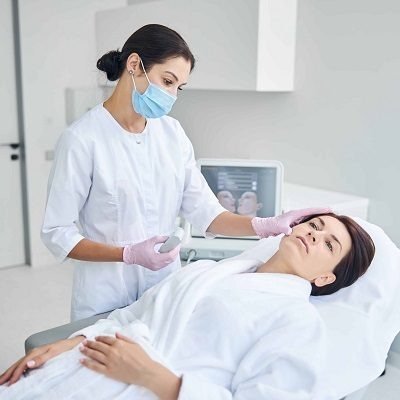
A menopause consultation provides an opportunity to discuss symptoms, medical history, family history where relevant, current medicines, and personal treatment preferences. The clinician can explain available options and help identify lifestyle changes that are realistic and relevant.
Women seeking a Menopause Care Clinic in UK can benefit from professional guidance that considers both symptom relief and long-term health. A structured assessment can help clarify whether medical treatment, lifestyle adjustments, or a combination of approaches may be suitable.
A Private Menopause Consultation In UK can also provide time to discuss individual concerns, ask questions about HRT and non-hormonal alternatives, and understand how treatment decisions may be reviewed over time. Women should feel comfortable discussing sensitive symptoms and asking for clarification whenever something is unclear.
For those exploring Menopause Treatment In UK, the aim is not simply to reduce individual symptoms but to develop a practical plan that supports daily functioning, emotional wellbeing, and longer-term health. Follow-up appointments can help assess progress and make changes when needed.
Conclusion
Menopause can affect many aspects of a woman’s life, from sleep and energy levels to emotional wellbeing and physical comfort. Although symptoms vary, combining appropriate medical care with healthy lifestyle adjustments can provide a more comprehensive approach to managing this transition.
Balanced nutrition, regular physical activity, consistent sleep habits, stress management, and practical measures for vaginal or urinary discomfort can all contribute to general wellbeing. However, lifestyle changes are not a substitute for medical assessment or treatment when symptoms are persistent or significantly affect quality of life.
Professional guidance helps women understand their options and choose an approach that reflects their symptoms, health history, and preferences. With individualised care and realistic daily habits, women can make informed decisions and feel better supported throughout menopause.
Frequently Asked Questions
1. Can lifestyle changes help manage menopause symptoms?
Yes. Healthy eating, regular physical activity, improved sleep habits, and stress management can support overall wellbeing during menopause. These measures may help with energy, mood, and general health, although they may not fully relieve symptoms such as severe hot flushes or night sweats.
2. Is hormone replacement therapy necessary for every woman?
No. HRT is not necessary for everyone. The decision depends on symptom severity, personal preferences, medical history, and individual circumstances. Some women benefit from HRT, while others may prefer non-hormonal treatments or lifestyle measures. A healthcare professional can explain the available options.
3. What foods should women eat during menopause?
A varied diet containing vegetables, fruit, wholegrains, protein-rich foods, and sources of calcium can support general health. Vitamin D is also important for bone health. There is no single menopause diet that suits everyone, so food choices should reflect nutritional needs and personal circumstances.
4. Can exercise reduce hot flushes?
Exercise supports cardiovascular health, muscle strength, mood, and general wellbeing. However, its effect on hot flushes varies, and exercise alone may not provide sufficient symptom relief. Women with troublesome symptoms can discuss additional treatment options with a clinician.
5. How can women improve sleep during menopause?
Keeping a regular sleep schedule, maintaining a cool bedroom, choosing breathable nightwear, and reducing late-day caffeine may help. If night sweats or insomnia continue to disrupt sleep, medical advice can help identify suitable treatments.
6. When should someone seek professional menopause treatment?
Women may benefit from professional advice when symptoms interfere with daily activities, sleep, relationships, or emotional wellbeing. Assessment is also important when symptoms are unusual, persistent, or difficult to explain. Any bleeding after menopause should be assessed promptly by a healthcare professional.
7. Can a private menopause consultation help with treatment choices?
A private consultation can provide an opportunity to discuss symptoms, review medical history, and understand treatment options. It can help women make informed decisions about HRT, non-hormonal approaches, and relevant lifestyle adjustments according to their individual needs.
8. Do lifestyle adjustments replace medical menopause treatment?
No. Lifestyle adjustments can complement medical care but do not replace treatment when it is needed. Women experiencing significant symptoms should discuss their options with a qualified healthcare professional to develop an appropriate management plan.