Minor burns can cause pain, redness, swelling, and skin sensitivity, making proper wound care essential for protecting the affected area and supporting recovery. Wound Dressing at Home in Dubai provides a convenient option for eligible patients who need professional guidance while recovering from minor burns in a familiar environment. A qualified nurse or a Doctor at Home can assess the injury, recommend suitable dressing care, and explain how to protect the skin between visits. However, not every burn is suitable for home treatment, and injuries involving deeper tissue or sensitive body areas may require urgent medical assessment. Understanding burn first aid, appropriate dressing choices, and warning signs can help patients and caregivers manage minor injuries more safely.
Understanding Minor Burns and Their Different Types:
Burns can occur when the skin comes into contact with hot liquids, steam, heated objects, or other sources of heat. Superficial burns generally affect the outermost skin layer and may cause redness, tenderness, and mild swelling without blisters. Some minor partial-thickness burns affect deeper skin layers and may cause blisters, more significant pain, and additional sensitivity. The appearance of a burn can change over time, so it is important not to judge its severity by redness alone. Patients should seek professional advice if they are unsure about the depth or extent of the injury. Burns caused by chemicals or electricity, deep burns, and burns involving the face, hands, feet, or genitals require prompt medical evaluation rather than routine home dressing care.
First Aid Before Applying a Burn Dressing:
The first priority after a minor burn is to stop the burning process and cool the affected area as soon as possible. Hold the burn under cool running water for around 20 minutes, while keeping the rest of the person warm. Remove nearby jewellery and clothing before swelling develops, but never pull away anything stuck to the skin. Avoid applying ice, butter, oils, toothpaste, or unapproved home remedies because these can cause further damage or interfere with appropriate care. Do not burst blisters, as the skin covering them helps protect the underlying tissue. After cooling, a small burn may be loosely covered with a clean, non-stick dressing while awaiting appropriate advice. The NHS burn and scald guidance provides additional first-aid information.
Choosing the Right Dressing for a Minor Burn:
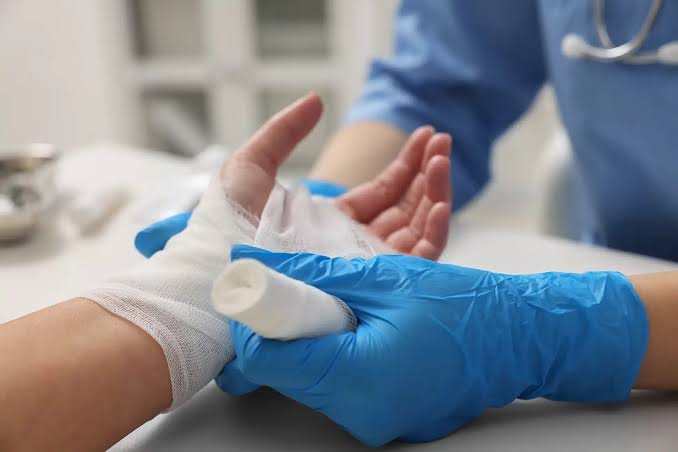
The appropriate dressing depends on the burn’s size, depth, location, and whether the skin is intact or blistered. A clean, non-adherent dressing may be recommended to protect a suitable minor burn while minimizing the risk of material sticking to the injured surface. Some dressings provide additional absorption, while others offer a protective covering with minimal bulk. However, ordinary adhesive bandages, fluffy materials, and dressings that stick directly to the wound may cause discomfort or damage delicate tissue during removal. Patients should follow the advice of a healthcare professional or pharmacist when selecting a dressing, especially if the skin is blistered or broken. Do not apply a specialized dressing, cream, or ointment without confirming that it is appropriate for the particular injury.
Keeping the Burn Dressing Clean and Secure:
Once a suitable dressing has been applied, it should be maintained according to the instructions provided by the healthcare professional. Keeping the covering clean and protected helps reduce unnecessary contact with dirt and friction, while a secure but non-restrictive fit prevents it from shifting during ordinary activities. Patients should avoid repeatedly lifting the dressing to inspect the burn because unnecessary removal can disturb healing tissue. If the dressing becomes wet, dirty, loose, or saturated with fluid, follow the care instructions or contact a healthcare professional for guidance. Never wrap a dressing tightly around a burned limb, as swelling may affect circulation. Patients should also avoid using household tape or unapproved adhesive products directly on damaged skin, particularly when the surrounding area is fragile or sensitive.
Managing Pain and Skin Sensitivity During Recovery:
Minor burns can remain tender for several days, and contact with clothing, bedding, or other surfaces may increase discomfort. Patients should protect the affected area from rubbing and follow appropriate advice about pain relief, including checking with a pharmacist or clinician if they have existing medical conditions or take other medicines. Avoid scratching the burn or peeling away loose skin, and never intentionally break blisters. Once the wound has healed, the new skin may remain sensitive, so gentle skin care and sun protection can be important. If discomfort continues to increase instead of improving, or if the burn becomes more swollen or painful, seek medical advice. Persistent or worsening pain may indicate that the injury needs reassessment rather than simply a different dressing.
Recognizing Signs of Infection or Delayed Healing:
Monitoring the burn between dressing changes helps patients recognize complications that may require medical treatment. Some redness and tenderness can occur after a minor burn, but increasing pain, spreading redness, swelling, pus, an unpleasant new odour, fever, or feeling generally unwell should not be ignored. A dressing that becomes unexpectedly saturated or develops significant leakage may also need professional attention. Patients should seek medical advice if the burn does not begin improving within a few days or if its appearance deteriorates. People with diabetes, poor circulation, reduced immunity, or other conditions affecting healing may require earlier assessment. Severe symptoms, rapidly spreading redness, or signs of serious illness need urgent medical attention. Do not rely on home dressing changes alone if the injury appears to be worsening.
When a Burn Needs Professional Medical Assessment:
Although some small, superficial burns can be managed at home, certain injuries need prompt evaluation to prevent serious complications. Burns larger than the patient’s palm, deep burns, and burns affecting the face, hands, feet, genitals, or major joints should be assessed by a healthcare professional. Electrical and chemical burns also require medical attention even when the visible injury appears limited. A burn that extends around an arm or leg can affect circulation and must not be managed solely with home dressing care. Emergency assistance is necessary if the person experiences difficulty breathing, suspected smoke inhalation, collapse, or other severe symptoms. Children, older adults, and patients with significant underlying health conditions may also need earlier professional assessment. When uncertain about the severity, seek medical advice rather than assuming the burn is minor.
How Wound Dressing at Home in Dubai Supports Recovery:
Wound Dressing at Home in Dubai can help eligible patients access professional wound care without unnecessary travel, particularly when movement is uncomfortable or regular dressing support is needed. Depending on the service and clinical assessment, a qualified healthcare professional may inspect the injured area, follow the recommended dressing plan, explain how to protect the skin, and identify changes requiring further evaluation. During a home visit, patients should describe how the burn occurred, when it happened, what first aid has been provided, and whether pain or swelling has changed. Patients should also confirm when the dressing needs to be reviewed or replaced and whom to contact if concerns develop. Home-based care complements necessary medical treatment but does not replace urgent assessment for serious burns or suspected complications.
Essential Tips for Caring for a Minor Burn at Home:
Following a consistent care plan can help protect a minor burn while the skin recovers. Patients should avoid unnecessary dressing changes, keep the affected area protected as advised, and refrain from applying unapproved creams or household remedies. It is also helpful to monitor pain, redness, drainage, and the condition of the surrounding skin each day. Key precautions include:
-
Follow professional instructions about dressing changes and cleaning.
-
Keep the dressing clean and avoid unnecessary handling.
-
Never burst blisters or pull away skin that remains attached.
-
Avoid friction, pressure, and direct sunlight on the healing area.
-
Seek advice if the dressing becomes wet, loose, or heavily soiled.
-
Attend recommended follow-up appointments and report worsening symptoms promptly.
Patients should not attempt advanced wound care or remove damaged tissue themselves. When in doubt, consult a qualified healthcare professional.
Final Thoughts
Wound dressing after a minor burn requires appropriate first aid, careful dressing selection, and regular attention to changes during recovery. Cooling the burn promptly, avoiding harmful home remedies, protecting the injured skin, and recognizing warning signs can help reduce avoidable complications. Wound Dressing at Home in Dubai offers eligible patients a convenient way to receive professional guidance and follow-up support in familiar surroundings. However, deep, extensive, chemical, electrical, or otherwise concerning burns require prompt medical assessment. Follow the advice of a qualified healthcare professional and seek help if pain worsens, infection is suspected, or healing does not progress as expected. Safe, consistent care is essential for protecting the skin and supporting recovery.