Understanding the factors that influence treatment outcomes can help patients develop realistic expectations and make informed decisions. For individuals considering Botox injection in Islamabad, knowing how dosage, facial anatomy, injection technique, skin condition, and aftercare affect results is an important part of the treatment journey.
1. Individual Facial Anatomy and Muscle Strength
One of the most important factors affecting Botox results is a person’s facial anatomy. Every face has a different structure, and the size, position, and strength of facial muscles can influence how the treatment works.
Botox temporarily reduces muscle activity by blocking the release of acetylcholine, a chemical messenger that helps muscles contract. When selected muscles relax, the skin above them may fold less deeply during facial expressions, making dynamic wrinkles less noticeable.
People with stronger facial muscles may respond differently from those with weaker muscles. For example, someone with prominent forehead muscle activity may require a different treatment approach from someone whose forehead lines are relatively mild.
Other anatomical factors include:
-
The location and depth of existing wrinkles.
-
Differences in eyebrow position and facial symmetry.
-
The strength of muscles around the eyes and forehead.
-
The amount of movement involved in everyday facial expressions.
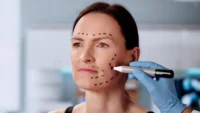
A qualified healthcare professional assesses these features before recommending treatment. For patients seeking Botox injection in Islamabad, an individualized assessment helps determine which areas may benefit and how to approach them without unnecessarily restricting natural facial movement.
2. Botox Dosage and Injection Technique
The amount of Botox used and the precision of the injection technique can significantly affect the final outcome. A suitable dosage depends on the treatment area, muscle strength, facial anatomy, and desired degree of wrinkle reduction.
Too little product may produce a limited effect, while excessive dosing can lead to an overly restricted expression or unwanted muscle weakness. The aim is to achieve an appropriate balance between reducing wrinkles and maintaining natural facial movement.
Injection placement is equally important. Facial muscles work together, so treating one area can influence the appearance or movement of nearby structures. For example, injections around the forehead require careful planning because the muscles in this area contribute to eyebrow positioning.
An appropriately qualified healthcare professional considers several details before administering Botox:
-
The specific muscles responsible for the wrinkles.
-
The number and location of injection points.
-
The appropriate dose for each treatment area.
-
Existing facial asymmetry and individual treatment goals.
-
Previous responses to Botox, if applicable.
Patients should avoid choosing a treatment based solely on a promised result or a fixed number of injections. A carefully planned procedure is more appropriate than using the same approach for every face.
3. Skin Condition, Age, and Type of Wrinkles
Skin quality and the underlying cause of wrinkles also influence Botox results. The treatment is particularly effective for dynamic wrinkles, which appear or deepen during facial movements such as smiling, frowning, and raising the eyebrows.
However, not all wrinkles develop because of muscle activity. As the skin ages, collagen and elastin gradually decline, contributing to reduced firmness and elasticity. Years of sun exposure may also cause changes in skin texture and deeper lines.
These differences affect the results a patient can reasonably expect.
Dynamic wrinkles: Lines that become more prominent during facial expressions often respond well because Botox targets the muscle activity responsible for them.
Static wrinkles: Lines that remain visible when the face is relaxed may improve if muscle movement contributes to their formation, but they may not disappear completely.
Sun-damaged skin: Botox does not directly repair pigmentation, rough texture, or other signs of UV damage.
Loss of facial volume: Hollows and volume-related folds generally require a different assessment because Botox does not replace lost fat or restore facial volume.
Age alone does not determine whether someone will respond well to treatment. Younger adults with noticeable expression lines and older adults with suitable dynamic wrinkles may both benefit, depending on their individual circumstances.
For those exploring Botox injection in Islamabad, understanding these distinctions helps prevent unrealistic expectations. A healthcare professional may recommend skincare or another treatment if the main concern is not caused by muscle movement.
4. Treatment Area and Individual Response
Botox does not produce identical results in every part of the face. Different muscles have different functions, and the skin in each area varies in thickness, movement, and sensitivity.
For example, forehead lines, frown lines, and crow’s feet may respond differently even when they are treated during the same appointment. The required dose and injection pattern are specific to each area.
Individual biological responses also matter. Some people notice an effect within three to five days, while others need more time. The full cosmetic effect commonly develops within 10–14 days.
Results often last around three to four months, but the duration can vary because of muscle activity, treatment area, dosage, and individual response. As the effects gradually wear off, normal muscle movement returns and expression lines may become visible again.
Previous Botox treatments may help the healthcare professional understand how a patient responds, although future results are not guaranteed to be identical. Treatment history, any previous side effects, and the time since the last injection should be discussed during consultation.
Patients should generally allow enough time for the full effect to develop before deciding whether the treatment has worked. Seeking additional injections too early may increase the risk of an unwanted result.
5. Aftercare Habits and Professional Guidance
Following aftercare instructions is an important part of the Botox experience. Although the procedure usually involves little downtime, patients should understand how to care for the treated areas and when to seek professional advice.
Aftercare recommendations may include:
-
Avoid rubbing or massaging injection sites unless specifically advised.
-
Follow the treating professional’s guidance about strenuous exercise immediately after treatment.
-
Keep the skin clean and use gentle skincare products.
-
Apply broad-spectrum sunscreen with SPF 30 or higher to protect against UV damage.
-
Attend a follow-up appointment if the result appears uneven or unexpected.
There is no need to assume that complicated aftercare routines will make Botox last longer. Evidence for many special post-treatment practices is limited, so patients should follow appropriate professional instructions rather than relying on unverified online advice.
The quality of the treatment setting also matters. Botox should be administered by a qualified healthcare professional with suitable training in facial anatomy and injection techniques, using legitimate products. A proper consultation should cover medical history, allergies, current medications, previous cosmetic treatments, and realistic expectations.
Common temporary side effects include redness, swelling, tenderness, bruising, and headache. Less common complications include temporary eyelid or eyebrow drooping and unwanted muscle weakness. Difficulty swallowing, speaking, or breathing after treatment requires urgent medical attention because it may indicate a rare but serious complication.
People considering Botox should disclose relevant medical conditions and medications, rather than stopping prescribed medicines without medical advice. Cosmetic Botox is generally avoided during pregnancy and breastfeeding because safety data are limited.
For more information visit Enfield royal clinic in islamabad
Frequently Asked Questions
1. How long does Botox take to show results?
Some people notice improvement within three to five days. The full cosmetic effect generally develops within 10–14 days, although the timeline varies depending on the treatment area and individual response.
2. Why do Botox results differ between people?
Results can vary because of differences in facial anatomy, muscle strength, dosage, injection technique, skin condition, and individual response. The depth and cause of wrinkles also influence how much improvement is possible.
3. Can skincare products make Botox last longer?
Moisturizers and sunscreen can support skin health and help reduce further sun damage, but they do not reliably extend Botox’s muscle-relaxing effects. The results commonly last around three to four months.
4. What should patients do if Botox results are uneven?
Patients should contact the treating healthcare professional and allow enough time for the full effect to develop, usually around two weeks. The professional can assess the outcome and determine whether any adjustment is appropriate.