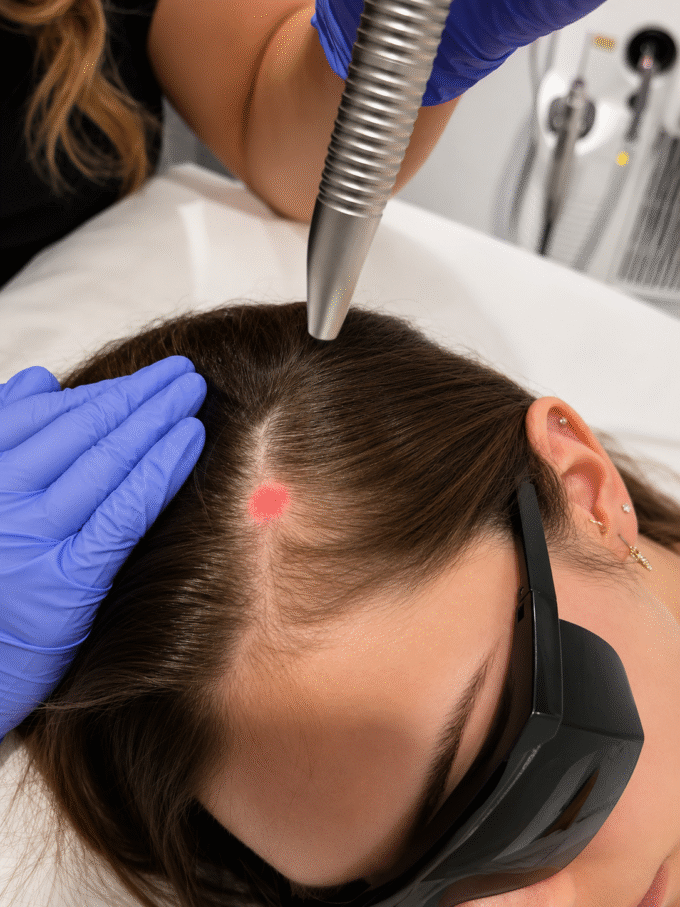
Hair thinning can begin with small changes that are easy to ignore. A little less volume around the crown, a gradual change in the hairline, or strands that appear finer than before may be early signs of a developing concern. Although hair naturally sheds every day, noticeable or persistent changes deserve attention. Hair Loss Treatment in Islamabad can help individuals understand why their hair is changing and explore suitable ways to manage the condition.
At Enfield Royal Clinic in Islamabad, people experiencing hair thinning can discuss their concerns and learn about different hair restoration possibilities. A careful assessment is important because the right treatment depends on the cause, the condition of the follicles, and the individual’s overall health.
How Can You Recognise Early Hair Thinning?
Early hair thinning does not always involve large amounts of hair falling out. Sometimes, the main change is a gradual reduction in the thickness of individual strands or the overall coverage of the scalp.
You may notice that your usual hairstyle looks flatter or requires more effort to create volume. The hairline may gradually move backward, or the crown may become more visible under direct lighting. Women may notice a widening parting or reduced density across the upper scalp.
These changes can develop slowly, which makes regular observation helpful. However, appearance alone cannot confirm the cause. A professional examination can help distinguish hereditary thinning from temporary shedding, breakage, and scalp-related problems.
Why Does the Hair Growth Cycle Matter?
Every hair follicle follows a natural growth cycle. During the active growth phase, a strand develops and increases in length. It later enters a transition period, followed by a resting phase before shedding.
Normally, different follicles move through these stages at different times. This allows most of the scalp to maintain continuous hair coverage.
Certain conditions can disturb this balance. For example, physical stress or illness may cause more follicles than usual to enter the resting phase. In hereditary pattern hair loss, some follicles gradually become smaller and produce finer strands.
Understanding the growth cycle helps explain why Hair Loss Treatment often requires patience. Hair follicles do not respond instantly, and visible improvement may take several months.
Could Your Hair Loss Be Related to Your Lifestyle?
Daily habits can influence hair condition, particularly when they involve repeated physical or nutritional stress.
Crash dieting and rapid weight loss may reduce the nutrients available for normal hair production. Inadequate protein intake and certain confirmed nutritional deficiencies can also contribute to shedding.
Frequent chemical processing, excessive heat styling, and tightly pulled hairstyles may damage the hair shaft or place stress on the follicles. These problems can cause breakage or traction-related hair loss.
Lifestyle changes may help reduce avoidable damage, but they cannot correct every cause. Persistent thinning should be assessed to determine whether medical treatment is also needed.
What Makes a Hair Assessment Useful?
A proper assessment helps establish the reason behind changes in hair density. During a consultation, a healthcare professional may review the patient’s medical history, family history, medications, dietary habits, and recent health events.
The scalp may be examined for inflammation, scaling, irritation, and changes in hair distribution. In some cases, blood tests may be recommended to investigate iron deficiency, thyroid problems, or other possible contributing factors.
This process is especially important when hair loss appears suddenly, affects unusual areas, or occurs alongside scalp discomfort. Selecting Hair Loss Treatment in Islamabad after an appropriate assessment helps avoid choosing an unsuitable option.
Medical Management for Different Hair Conditions
Some forms of hair loss can be managed through medical treatments. Minoxidil is commonly used for certain types of hereditary pattern hair loss. It may help support hair growth or maintain existing density, although results vary and consistent use is usually required.
Prescription medications may be considered for selected individuals after reviewing their diagnosis and medical history. These treatments have different precautions and potential side effects, so professional guidance is essential.
When shedding is linked to an underlying condition, addressing that problem may be the main priority. For example, treatment of a diagnosed thyroid disorder or correction of a confirmed nutritional deficiency may help manage a contributing factor.
No single medicine is suitable for every person experiencing hair loss.
Can PRP Support Hair Restoration?
Platelet-rich plasma, commonly known as PRP, is used in some hair restoration settings. It involves collecting a small blood sample, processing it to concentrate platelets, and administering the preparation into selected scalp areas.
PRP may be considered for certain individuals with hair thinning, depending on their condition and professional assessment. Research into its effectiveness is still developing, and results can differ between patients.
Before considering this procedure, it is important to understand its limitations, possible discomfort, and expected treatment schedule. PRP cannot guarantee new hair growth or replace medical management when an underlying condition needs attention.
When Should You Explore Hair Transplantation?
Hair transplantation may be appropriate for selected individuals with established hair loss and sufficient healthy donor follicles. During the procedure, follicles are transferred from a donor region to areas where additional coverage is desired.
Careful planning is essential because donor hair is limited. The surgeon must consider the existing hair pattern, the amount of available donor hair, scalp condition, and the possibility of future thinning.
A transplant also does not prevent untreated natural hair from becoming thinner. Potential risks include infection, scarring, swelling, temporary changes in sensation, and uneven growth. A detailed consultation helps establish whether the procedure is appropriate.
At Enfield Royal Clinic in Islamabad, individuals can discuss their hair concerns and learn about factors that may influence their treatment choices.
How Can You Maintain Healthy Hair Between Treatments?
A consistent routine can help protect existing strands and support general hair health. Useful habits include:
-
Eating a balanced diet with sufficient protein.
-
Avoiding extreme dieting and sudden weight changes.
-
Reducing excessive heat and chemical treatments.
-
Choosing comfortable hairstyles without constant pulling.
-
Brushing gently, especially when hair is wet.
-
Avoiding unnecessary supplements without identifying a deficiency.
-
Seeking professional advice for persistent scalp irritation.
These practices are supportive rather than curative. They may reduce preventable damage but cannot reverse every medical or hereditary cause of thinning.
What Results Should You Expect?
Hair restoration is a gradual process. Some treatments require several months before their effects can be assessed, while others need ongoing maintenance to preserve their benefits.
Regular follow-up appointments help evaluate changes in hair density, review possible side effects, and determine whether adjustments are necessary. Comparing photographs taken under similar conditions can provide a clearer picture of progress.
The purpose of Hair Loss Treatment in Islamabad is to find a suitable approach based on individual needs rather than promise identical results for everyone. Enfield Royal Clinic in Islamabad can be a place to begin a discussion about available hair care and restoration options.