
Home Technology Harnessing Modern Data Ecosystems for Business Excellence
Technology

Harnessing Modern Data Ecosystems for Business Excellence

Share
Share

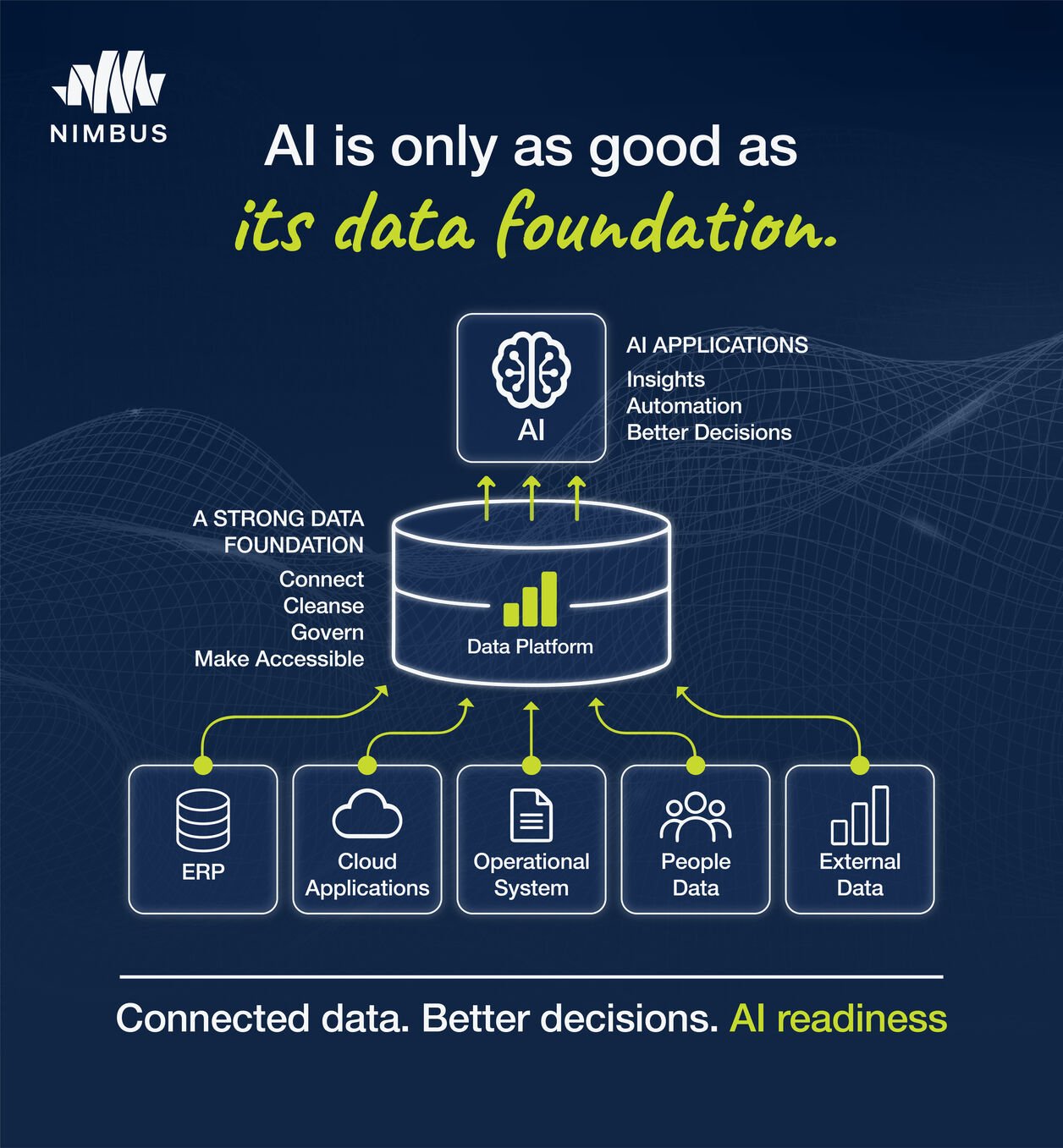
In today’s fast-moving business world, companies generate vast amounts of information every single day. To transform raw records into actionable business strategies, forward-thinking enterprises rely heavily on modern Cloud data platforms. These advanced digital architectures serve as the backbone of contemporary operations, allowing organizations to collect, store, and process information seamlessly. By building a reliable data ecosystem, businesses empower their teams to make smarter decisions, increase operational speed, and deliver exceptional value to customers continuously.

The Essential Role of Organized Data in Enterprise Success

Data arriving from online transactions, customer service channels, mobile applications, and internal tools holds immense business value. Organizing this continuous stream of information into a centralized, clean framework enables companies to unlock meaningful insights and maintain a distinct market advantage.

Driving Smarter Strategic Decisions

Access to clear, real-time metrics turns executive decision-making into a precise, evidence-based process.

  • Real-Time Insight: Live updates allow leadership teams to observe customer trends as they happen and adjust operational plans immediately.

  • High Operational Accuracy: Automated data pipelines eliminate manual input errors, keeping financial reports, inventory numbers, and performance metrics completely reliable.

  • Forward-Looking Capabilities: Analyzing historical patterns stored cleanly in cloud repositories helps organizations anticipate market demand and plan resources effectively.

Boosting Cross-Functional Collaboration

A unified data environment breaks down barriers between individual business departments. When sales, marketing, finance, and logistics all work from the exact same metrics, communication improves naturally and joint initiatives progress much faster.

Core Elements of a Future-Proof Data Infrastructure

Building a flexible and reliable data environment requires coordinating several core digital elements that operate together harmoniously.

+-------------------------------------------------------+
|                    Incoming Data Sources              |
|        (E-commerce, Apps, Point-of-Sale, Web)         |
+-------------------------------------------------------+
                           |
                           v
+-------------------------------------------------------+
|             Automated Ingestion Pipelines             |
|         (Real-time Streams & Batch Workflows)         |
+-------------------------------------------------------+
                           |
                           v
+-------------------------------------------------------+
|               Central Storage Repository              |
|             (Data Warehouses & Cloud Lakes)           |
+-------------------------------------------------------+
                           |
                           v
+-------------------------------------------------------+
|            Interactive Visual Analytics               |
|        (Executive Dashboards & Smart Reports)         |
+-------------------------------------------------------+

1. Automated Data Collection

Automated ingestion workflows gather incoming records continuously from diverse digital channels. This ensures that executive dashboards reflect live conditions accurately without requiring manual data entry.

2. Flexible Cloud Storage Solutions

Modern cloud storage repositories offer infinite elasticity. As your enterprise grows and handles higher volumes of transactions, storage capacities expand automatically to maintain swift system performance.

3. Data Cleaning and Standardization

Raw records often require formatting and validation before analysis. Automated transformation tools clean, verify, and standardize incoming datasets so analytics software can present insights instantly.

Key Advantages of Modern Data Solutions

Embracing automated data processing delivers tangible benefits across every layer of an enterprise.

Personalizing Customer Journeys

Understanding buyer behavior enables customer-facing teams to tailor their services. By analyzing past purchase history and browsing patterns, marketing teams can deliver timely offers and personal recommendations that build brand loyalty.

Optimizing Logistics and Inventory Management

Logistics managers can track stock movement and shipping updates live. Complete visibility enables faster order fulfillment, minimizes stockouts, and keeps supply chains running smoothly.

Accelerating Product Innovation

Product development teams can evaluate user interactions within applications in real time. These direct insights guide feature updates, ensuring new releases align with customer needs.

Fostering a Data-Driven Culture

Technology provides the foundation, but encouraging employees to use data daily maximizes the return on digital investments.

Promoting Skill Building Across Departments

Providing intuitive visualization tools to non-technical employees builds confidence. When sales reps, HR personnel, and operations managers can generate visual reports easily, metric-based discussions become standard practice.

Maintaining Outstanding Governance Standards

Clear access rules guarantee that sensitive records remain protected while granting authorized staff instant access to necessary tools. Strong governance instills internal trust and confidence.

Investing in high-performing Data Engineering Platforms provides organizations with the strong technical foundation needed to process large volumes of information efficiently and adapt quickly to market opportunities.

Conclusion

Building a robust, modern data system is one of the most rewarding investments an organization can make for sustainable success. By transforming raw numbers into clear, actionable insights, companies foster operational agility, empower employees, and consistently exceed customer expectations. Embracing modern digital capabilities ensures your business stays resilient and ready for future opportunities.

Frequently Asked Questions (FAQs)

What is the primary purpose of a modern data platform?

The primary purpose is to collect, clean, store, and organize raw information from diverse sources into a centralized, safe environment so that teams can analyze it easily and accurately.

How do visual dashboards assist non-technical employees?

Visual dashboards present complex figures through intuitive graphs and visual indicators, allowing staff members without coding skills to analyze trends and gain immediate operational insights.

Can growing businesses expand their data systems over time?

Yes! Cloud-native architectures allow companies to begin with essential capacity and expand storage and processing capabilities seamlessly as operational demands grow.


Share

Explore more

Health

# How a Virtual Medical Assistant Manages Electronic Health Records (EHR) Data Entry Electronic health records are the backbone of modern healthcare. Every appointment, insurance detail, referral, lab result, and message flows through the EHR. When the data inside it is accurate and up to date, your practice runs smoothly. When it is incomplete, outdated, or full of typos, problems multiply: claims are denied, providers lack information, patients receive the wrong reminders, and staff waste hours fixing mistakes. Unfortunately, data entry is also one of the most time-consuming tasks in any clinic. It is repetitive and easy to put off when the front desk is busy. This is exactly the kind of work that skilled remote support can take over. In this guide, we explain how a virtual medical assistant manages EHR data entry, which tasks they can handle, and how to keep your records accurate, organized, and secure. ## 1. Why EHR Data Quality Matters Data entry might sound routine, but its effects are far-reaching. Clean records support: – **Patient safety.** Providers rely on accurate information to make decisions. – **Clean billing.** Correct demographics and insurance details prevent denials. – **Efficient workflows.** Staff can find what they need without searching or guessing. – **Better communication.** Correct phone numbers and preferences ensure reminders reach patients. – **Compliance.** Accurate documentation supports audits and legal requirements. – **Reliable reporting.** Quality data leads to meaningful insights about your practice. On the other hand, poor data quality can lead to duplicate charts, wrong contact details, missed follow-ups, and billing errors. Over time, these small issues create large costs. ## 2. The Role of a Virtual Medical Assistant in Records Management A [virtual medical assistant](https://virtualmedicalassistant.online/) is a trained remote professional who supports healthcare practices with administrative and operational work. When it comes to EHR management, they can act as a dedicated records specialist who keeps information organized and current. Their work is administrative. They do not make clinical judgments or alter clinical documentation without authorization. Instead, they follow your written instructions to enter, update, and organize information so your clinical team can focus on patient care. Because they work remotely through secure access, they can handle large volumes of data entry without interrupting the daily flow of the office. ## 3. Patient Registration and Demographics Accurate registration is the foundation of a good record. A remote assistant can handle: – **New patient charts.** Creating records with correct names, dates of birth, addresses, and contact information. – **Duplicate checks.** Searching for existing records before creating new ones to avoid duplicate charts. – **Contact preferences.** Recording preferred phone numbers, email addresses, and communication methods. – **Language and accessibility needs.** Noting interpreter requirements or special accommodations. – **Emergency contacts.** Entering and verifying contact details. – **Guarantor and guardian information.** Recording responsible parties for minors or dependents. – **Consent forms.** Attaching signed documents to the right chart. Consistent formatting is key. For example, entering names, addresses, and phone numbers in the same way each time makes searching and reporting easier. ## 4. Insurance Information and Verification Insurance errors are a leading cause of claim denials. A remote assistant can reduce these errors by: – Entering policy numbers, group numbers, and subscriber details accurately – Scanning and attaching insurance cards and photo identification – Updating records when patients change plans – Verifying eligibility and recording benefits – Noting primary and secondary coverage in the correct order – Flagging expired or inactive coverage for follow-up – Recording authorization numbers and visit limits Doing this work before the appointment gives your team time to resolve problems and helps front desk staff collect accurate copays at check-in. ## 5. Scheduling and Appointment Data Scheduling information flows directly into the EHR and affects everything from provider workflows to billing. Well-organized [patient appointment scheduling](https://virtualmedicalassistant.online/services/appointment-scheduling/) data ensures appointments are linked to the right visit type, provider, location, and insurance details. A remote assistant can maintain this data by: – Entering appointments with correct visit types and durations – Linking appointments to the right provider and room or resource – Recording reasons for visit and special instructions – Updating cancellations, reschedules, and no-shows accurately – Noting reminder and confirmation status – Keeping waitlist information current – Documenting patient preferences, such as preferred days or times Accurate scheduling records also help your practice analyze trends, such as no-show rates and peak demand times. ## 6. Document Management and Scanning Many practices still receive paper forms, faxes, and outside records. Remote assistants can digitize and organize these documents by: – **Scanning and uploading.** Adding documents to the correct patient chart. – **Labeling files clearly.** Using consistent naming conventions and document types. – **Indexing records.** Making it easy to search for lab reports, imaging results, referral letters, and forms. – **Sorting incoming faxes.** Matching them to the right patient and routing them to the right staff member. – **Attaching outside records.** Adding records from other providers to support continuity of care. – **Removing duplicates.** Cleaning up repeated uploads and misfiled documents. A tidy document system saves time and reduces the risk of lost or overlooked information. ## 7. Referrals, Orders, and Tracking Referrals and orders often involve many steps and multiple offices. A remote assistant can keep these items organized in the EHR by: – Entering referral requests and recording the date and destination – Tracking whether the patient scheduled the visit – Requesting and attaching consultation notes when they arrive – Logging prior authorization requests and approvals – Preparing order entries for provider review where permitted – Recording the status of labs, imaging, and procedures – Alerting staff when follow-up is needed Clear tracking prevents patients from slipping through the cracks and helps your practice close the loop on every referral. ## 8. Results, Messages, and Task Management Your EHR likely contains an inbox full of messages, tasks, and incoming results. Under provider direction and within your policies, a remote assistant can help by: – **Sorting messages.** Routing items to the correct nurse, provider, or department. – **Filing results.** Attaching incoming lab and imaging reports to the correct chart. – **Creating tasks.** Setting reminders for follow-up calls or paperwork. – **Documenting patient calls.** Recording the reason for the call and any actions taken. – **Flagging urgent items.** Alerting clinical staff to time-sensitive issues. – **Closing completed tasks.** Keeping inboxes organized and current. An organized inbox helps providers respond faster and reduces the risk of overlooked messages. ## 9. Billing-Related Data Entry Accurate data entry supports a healthy revenue cycle. Remote assistants can assist with billing-related records by: – Entering charges and linking them to the correct visit – Attaching supporting documentation – Checking for missing information before claim submission – Recording payments, adjustments, and notes under your instructions – Tracking denied or unpaid claims – Documenting patient balances and payment arrangements – Maintaining notes on calls with payers Careful documentation provides a clear history of each claim and makes follow-up easier. ## 10. Data Cleanup and Chart Maintenance Over time, even well-run practices accumulate messy records. A remote assistant can help with ongoing maintenance projects such as: – **Merging duplicate charts.** Following your approved process and review rules. – **Updating outdated information.** Verifying phone numbers, addresses, and insurance during outreach. – **Cleaning up inactive records.** Flagging patients who have not been seen in a long time. – **Standardizing formats.** Making names, dates, and addresses consistent. – **Correcting errors.** Fixing typos and misfiled entries. – **Preparing records for audits or system migrations.** Organizing data so it transfers cleanly. These projects can be difficult to fit into a busy schedule, but a dedicated assistant can make steady progress. ## 11. Accuracy Controls and Quality Checks Because data entry affects patient care and billing, accuracy is critical. Use these safeguards to keep quality high: – **Written standards.** Define how to enter names, dates, addresses, and notes. – **Templates and checklists.** Reduce missed fields and inconsistencies. – **Double-check systems.** Use spot checks or second-person reviews, especially early on. – **Required fields.** Configure your EHR to prevent incomplete entries when possible. – **Error tracking.** Keep a simple log of mistakes to identify patterns. – **Regular audits.** Review a sample of records each month. – **Feedback loops.** Share corrections and examples with your assistant. Quality control does not need to be complicated. A few consistent habits go a long way. ## 12. HIPAA Compliance and Data Security Because EHRs contain protected health information, security must be a top priority. When working with remote support, make sure that: – **A Business Associate Agreement is in place.** – **Staff are trained on HIPAA and privacy rules.** – **Access is limited by role.** Your assistant should only see what is necessary. – **Individual logins are used.** Shared passwords make tracking impossible. – **Connections are secure.** Use encrypted networks and secure remote access tools. – **Audit logs are available.** You should be able to review who accessed or changed records. – **Data is not stored locally.** Patient information should remain in secure systems. – **Incident procedures exist.** Everyone should know how to report concerns quickly. Strong security practices protect your patients and reduce risk for your practice. ## 13. Setting Up Your Assistant for Success To get the best results, prepare your team and systems: 1. **Define the scope.** List which records and fields your assistant may enter or update. 2. **Document workflows.** Provide step-by-step guides and screenshots. 3. **Provide examples.** Show correct and incorrect entries. 4. **Set permissions carefully.** Limit access to what is needed. 5. **Train on your EHR.** Walk through common screens and actions. 6. **Start with a pilot.** Begin with a limited set of tasks and review results. 7. **Appoint a point of contact.** Make it easy to ask questions. 8. **Review regularly.** Check quality and adjust instructions as needed. Clear structure helps your assistant work confidently and accurately. ## 14. Measuring Results To see whether your data entry support is working, track measures such as: – Data entry accuracy rate – Time to register new patients – Number of duplicate charts – Claim denial rate related to demographic or insurance errors – Turnaround time for filing documents and results – Staff time saved on administrative tasks – Provider and staff satisfaction Compare results before and after you add remote support. Improvements in accuracy and speed show the value of the investment. ## 15. Final Thoughts EHR data entry may not be glamorous, but it is essential. Accurate, organized records support patient safety, smooth operations, and healthy revenue. By assigning this work to a trained virtual medical assistant, you reduce the burden on your in-house team and gain consistency and focus. With clear instructions, strong privacy safeguards, and regular quality checks, your assistant can become a dependable guardian of your practice’s data, so everyone else can spend more time on what matters most: caring for patients. ## Frequently Asked Questions (FAQs) **What EHR tasks can a virtual medical assistant handle?** They can enter patient demographics, update insurance details, scan and upload documents, track referrals, organize messages, file results, record scheduling data, and support billing-related documentation. **Can a virtual medical assistant access my EHR system?** Yes, with proper permissions. They typically use secure remote access and individual logins, with access limited to the information required for their tasks. **Is it safe to let a remote assistant work in my EHR?** It can be, if safeguards are in place. These include a Business Associate Agreement, HIPAA training, role-based access, secure connections, and audit logs. **Does a virtual medical assistant make clinical decisions or edit clinical notes?** No. Their role is administrative. Clinical decisions and clinical documentation remain the responsibility of licensed providers, and any exceptions should follow your policies and applicable laws. **How does accurate data entry reduce claim denials?** Correct demographics, insurance details, and authorization numbers prevent common errors that lead to rejected claims, which helps speed up payment. **Can a virtual medical assistant help clean up duplicate patient records?** Yes. Under your approved process, they can identify possible duplicates and prepare them for review or merging, helping keep records accurate. **How do I make sure data entry quality stays high?** Use written standards, templates, spot checks, regular audits, and feedback sessions. Starting with a pilot period also helps catch issues early. **Which EHR systems can a virtual medical assistant work with?** Many assistants can work in popular EHR and practice management systems. Confirm that your provider has experience with your specific platform and provide training as needed. **How quickly can a virtual medical assistant begin entering data?** Many practices can begin within one to two weeks once system access, workflows, and compliance agreements are in place. **What metrics show that EHR data entry support is working?** Track accuracy rates, number of duplicate charts, claim denials caused by data errors, turnaround times for document filing, and the staff time saved. #VirtualMedicalAssistant #EHR #ElectronicHealthRecords #MedicalDataEntry #HealthcareAdministration #MedicalPracticeManagement #HIPAACompliance #AppointmentScheduling #HealthcareOutsourcing #PatientRecords #ClinicOperations #MedicalOfficeSupport

Related Articles
Technology

Best Microwave Oven in Nepal: A Practical Comparison Guide for Smarter Home Cooking

  Nepalese kitchens are evolving. Busy schedules, rising cooking gas costs, and...

Technology

Best Solution to Convert Outlook OST File to Portable Document Format

In today’s digital world, managing emails and data effectively is crucial. One...

Technology

Top Mobile App Development Trends Businesses Should Know

Mobile applications have become an important part of modern businesses. From shopping...

Technology

Explore Modern Interior Designs with a led aluminium profile supplier | Light Connect

Before choosing a profile, consider the installation area, LED strip size, and...