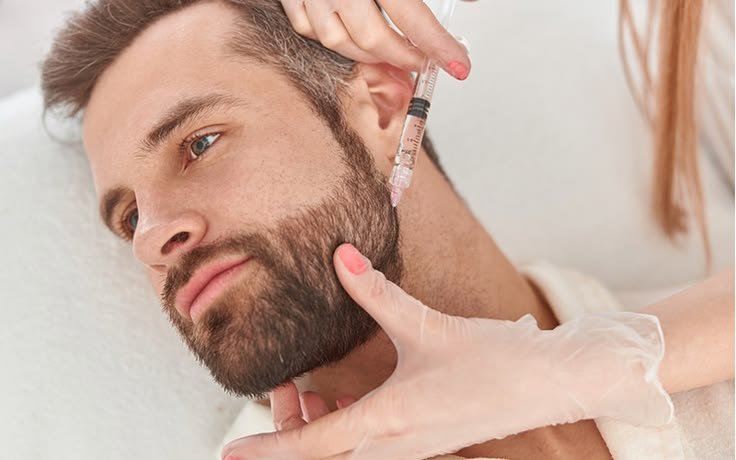
A fuller and healthier-looking beard is a popular grooming goal for many men. It can enhance facial features, create a more defined appearance, and provide greater freedom when choosing different beard styles. However, natural beard growth varies considerably. Some men develop thick facial hair, while others experience sparse cheeks, uneven jawlines, or visible gaps that make achieving their preferred look difficult.
Fortunately, modern hair restoration techniques offer options for men who want to improve facial hair coverage. A beard transplant is one approach that uses healthy hair follicles to add growth to selected areas. Understanding each stage of the process can help you make informed decisions and prepare for your restoration journey.
Understanding Your Beard Growth Pattern
Every beard hair transplant in Islamabad has a unique growth pattern influenced by genetics, age, hormones, and individual hair characteristics. Some men naturally have dense growth around the chin but limited coverage on their cheeks. Others may notice uneven patches or areas where facial hair does not grow at all.
Before choosing a restoration method, it is important to understand the reason behind limited growth. In some cases, patchiness may be related to skin conditions, scars, or medical factors. A professional evaluation can help identify the cause and determine whether transplantation is appropriate.
Exploring Your Beard Restoration Options
The right approach depends on the condition of your facial hair and your personal goals. Men with mild unevenness may improve their appearance through suitable grooming techniques, while others may require medical evaluation or professional restoration.
A beard transplant can be considered when there are stable areas with insufficient hair growth and adequate donor follicles are available. The procedure is designed to introduce healthy follicles into selected regions, helping improve coverage rather than temporarily hiding empty patches.
Discussing available options with a qualified specialist helps you understand the potential benefits, limitations, and expected outcomes.
What Happens During a Beard Hair Transplant?
A beard transplant generally involves taking healthy hair follicles from a donor area, commonly the back or sides of the scalp, and placing them into the beard region.
Follicular Unit Extraction (FUE) is a commonly used technique. Individual follicles are removed using specialized instruments and prepared for implantation. The specialist then creates small recipient sites in the areas that need additional coverage.
Each follicle must be positioned carefully because facial hair grows in different directions across the cheeks, chin, moustache, and jawline. Correct placement helps transplanted hair blend with existing growth.
The number of grafts depends on the size of the treatment area, donor hair availability, and the desired level of density.
Planning a Beard Design That Suits You
A successful restoration plan should complement your facial structure and natural hair pattern. Rather than choosing an extremely dense beard design without considering individual features, the specialist evaluates the proportions of the face and the existing beard outline.
During consultation, you can discuss whether you want fuller cheeks, a more defined jawline, improved chin coverage, or a balanced overall appearance.
The specialist may consider:
-
Your natural beard shape and density.
-
Facial proportions and preferred style.
-
The direction of existing facial hair.
-
Donor hair quality and availability.
-
The number of grafts required.
-
Realistic expectations for the final result.
Personalized planning helps create a design that looks appropriate for your face.
Preparing for Your Restoration Procedure
Preparation begins with an assessment of your medical history, skin condition, and donor area. Your specialist may provide instructions about medications, smoking, alcohol, and other factors that could affect the procedure or recovery.
Share information about any existing health conditions and medications you use. Do not stop prescribed medicines unless your healthcare provider advises you to do so.
Understanding the procedure, recovery requirements, and possible risks before treatment can help you feel more prepared.
Recovery and the Early Healing Stage
After transplantation, mild redness, swelling, tenderness, and small scabs may appear around the donor and recipient areas. These effects generally improve as the skin heals.
Following aftercare instructions is essential. Patients are commonly advised to:
-
Avoid rubbing or scratching the implanted area.
-
Clean the treated skin as instructed.
-
Avoid strenuous exercise until medically cleared.
-
Protect the area from direct sunlight.
-
Avoid shaving until the specialist gives permission.
-
Attend recommended follow-up appointments.
Some transplanted hairs may shed during the early weeks. This is often a normal part of the hair growth cycle and does not necessarily mean the procedure has failed.
Supporting Healthy-Looking Beard Growth
After the initial healing period, maintaining good grooming and skin care habits can help keep your beard looking neat. Use gentle facial cleansers and avoid products that cause irritation.
A balanced diet containing protein, vegetables, fruits, and healthy fats supports general health. Adequate sleep and hydration are also beneficial for overall well-being.
Once your specialist confirms that grooming is safe, you can gradually return to trimming and shaping your beard. Avoid aggressive grooming practices that pull or irritate the hair.
Choosing Professional Treatment in Islamabad
If you are considering a Beard hair transplant in Islamabad, selecting a qualified and experienced specialist is an important step. Look for a clinic that provides individual assessments, explains the recommended technique, and discusses realistic results.
Ask about donor hair suitability, estimated graft numbers, possible complications, recovery expectations, and follow-up care. Reviewing genuine before-and-after photographs may also help you understand the range of possible outcomes.
Conclusion
Your journey towards a fuller beard involves understanding your growth pattern, exploring suitable restoration options, and following professional guidance throughout treatment and recovery. Careful planning, appropriate follicle placement, and consistent aftercare can contribute to a natural-looking appearance. A consultation is the best starting point for anyone exploring a Beard hair transplant in Islamabad.
Frequently Asked Questions
1. Who can benefit from a Beard hair transplant in Islamabad?
Men with naturally sparse facial hair, uneven beard growth, or selected areas affected by scars may be suitable. A specialist must assess donor hair and overall health.
2. How long does a Beard hair transplant in Islamabad take to show results?
After a Beard hair transplant in Islamabad, some transplanted hairs may initially shed. New growth develops gradually over several months, with individual timelines varying.
3. Is recovery difficult after a Beard hair transplant in Islamabad?
Most patients experience temporary effects such as redness, mild swelling, or tenderness. Following the aftercare instructions provided after a Beard hair transplant in Islamabad supports proper healing.
4. How can I maintain my results after a Beard hair transplant in Islamabad?
Follow your specialist’s advice, maintain gentle skin care, avoid premature shaving, and attend follow-up visits after a Beard hair transplant in Islamabad.
For more information visit
Enfield royal clinic in islamabad