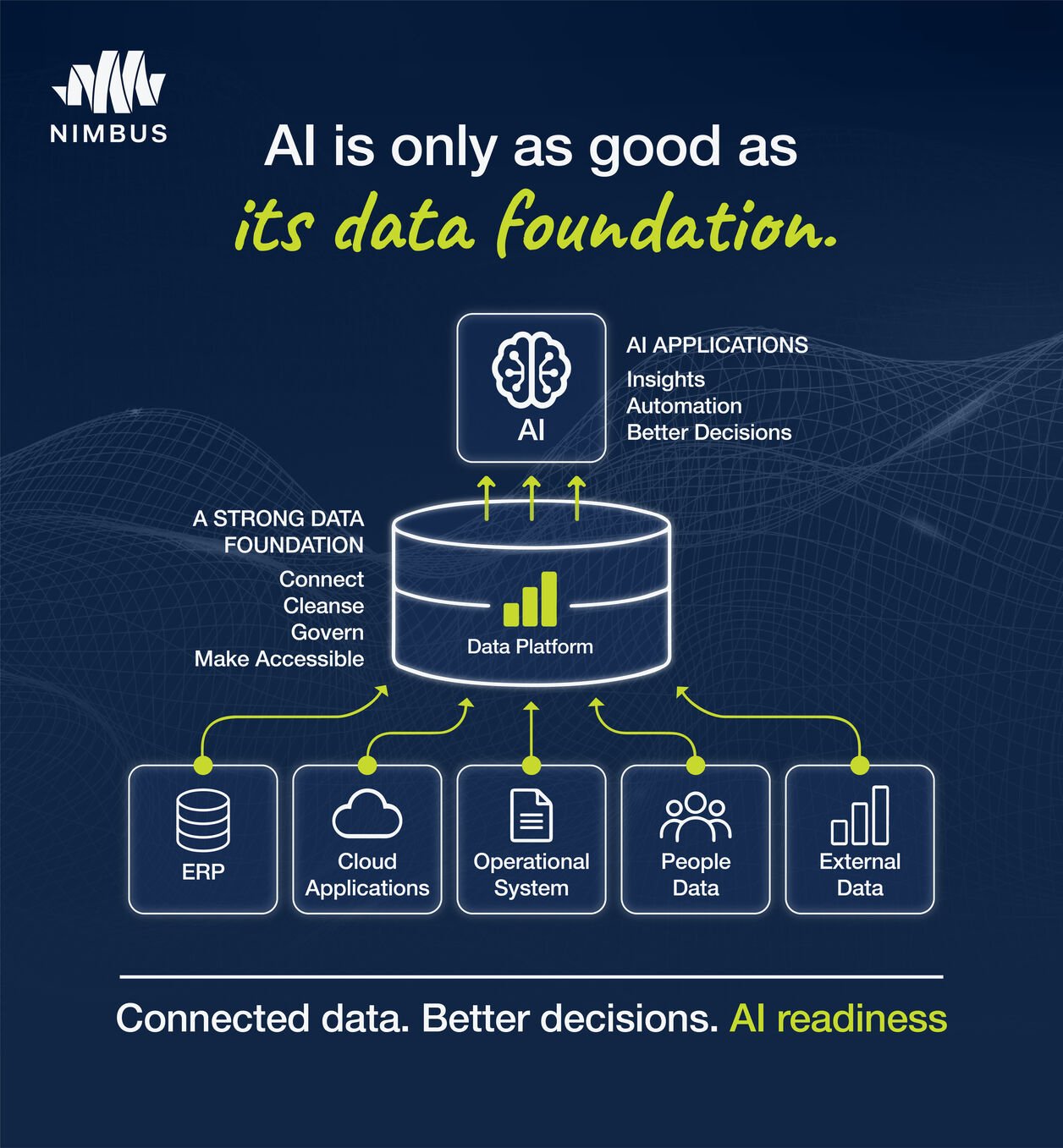
In today’s fast-moving business world, companies generate vast amounts of information every single day. To transform raw records into actionable business strategies, forward-thinking enterprises rely heavily on modern Cloud data platforms. These advanced digital architectures serve as the backbone of contemporary operations, allowing organizations to collect, store, and process information seamlessly. By building a reliable data ecosystem, businesses empower their teams to make smarter decisions, increase operational speed, and deliver exceptional value to customers continuously.
The Essential Role of Organized Data in Enterprise Success
Data arriving from online transactions, customer service channels, mobile applications, and internal tools holds immense business value. Organizing this continuous stream of information into a centralized, clean framework enables companies to unlock meaningful insights and maintain a distinct market advantage.
Driving Smarter Strategic Decisions
Access to clear, real-time metrics turns executive decision-making into a precise, evidence-based process.
-
Real-Time Insight: Live updates allow leadership teams to observe customer trends as they happen and adjust operational plans immediately.
-
High Operational Accuracy: Automated data pipelines eliminate manual input errors, keeping financial reports, inventory numbers, and performance metrics completely reliable.
-
Forward-Looking Capabilities: Analyzing historical patterns stored cleanly in cloud repositories helps organizations anticipate market demand and plan resources effectively.
Boosting Cross-Functional Collaboration
A unified data environment breaks down barriers between individual business departments. When sales, marketing, finance, and logistics all work from the exact same metrics, communication improves naturally and joint initiatives progress much faster.
Core Elements of a Future-Proof Data Infrastructure
Building a flexible and reliable data environment requires coordinating several core digital elements that operate together harmoniously.
+-------------------------------------------------------+
|                    Incoming Data Sources              |
|        (E-commerce, Apps, Point-of-Sale, Web)         |
+-------------------------------------------------------+
                           |
                           v
+-------------------------------------------------------+
|             Automated Ingestion Pipelines             |
|         (Real-time Streams & Batch Workflows)         |
+-------------------------------------------------------+
                           |
                           v
+-------------------------------------------------------+
|               Central Storage Repository              |
|             (Data Warehouses & Cloud Lakes)           |
+-------------------------------------------------------+
                           |
                           v
+-------------------------------------------------------+
|            Interactive Visual Analytics               |
|        (Executive Dashboards & Smart Reports)         |
+-------------------------------------------------------+
1. Automated Data Collection
Automated ingestion workflows gather incoming records continuously from diverse digital channels. This ensures that executive dashboards reflect live conditions accurately without requiring manual data entry.
2. Flexible Cloud Storage Solutions
Modern cloud storage repositories offer infinite elasticity. As your enterprise grows and handles higher volumes of transactions, storage capacities expand automatically to maintain swift system performance.
3. Data Cleaning and Standardization
Raw records often require formatting and validation before analysis. Automated transformation tools clean, verify, and standardize incoming datasets so analytics software can present insights instantly.
Key Advantages of Modern Data Solutions
Embracing automated data processing delivers tangible benefits across every layer of an enterprise.
Personalizing Customer Journeys
Understanding buyer behavior enables customer-facing teams to tailor their services. By analyzing past purchase history and browsing patterns, marketing teams can deliver timely offers and personal recommendations that build brand loyalty.
Optimizing Logistics and Inventory Management
Logistics managers can track stock movement and shipping updates live. Complete visibility enables faster order fulfillment, minimizes stockouts, and keeps supply chains running smoothly.
Accelerating Product Innovation
Product development teams can evaluate user interactions within applications in real time. These direct insights guide feature updates, ensuring new releases align with customer needs.
Fostering a Data-Driven Culture
Technology provides the foundation, but encouraging employees to use data daily maximizes the return on digital investments.
Promoting Skill Building Across Departments
Providing intuitive visualization tools to non-technical employees builds confidence. When sales reps, HR personnel, and operations managers can generate visual reports easily, metric-based discussions become standard practice.
Maintaining Outstanding Governance Standards
Clear access rules guarantee that sensitive records remain protected while granting authorized staff instant access to necessary tools. Strong governance instills internal trust and confidence.
Investing in high-performing Data Engineering Platforms provides organizations with the strong technical foundation needed to process large volumes of information efficiently and adapt quickly to market opportunities.
Conclusion
Building a robust, modern data system is one of the most rewarding investments an organization can make for sustainable success. By transforming raw numbers into clear, actionable insights, companies foster operational agility, empower employees, and consistently exceed customer expectations. Embracing modern digital capabilities ensures your business stays resilient and ready for future opportunities.
Frequently Asked Questions (FAQs)
What is the primary purpose of a modern data platform?
The primary purpose is to collect, clean, store, and organize raw information from diverse sources into a centralized, safe environment so that teams can analyze it easily and accurately.
How do visual dashboards assist non-technical employees?
Visual dashboards present complex figures through intuitive graphs and visual indicators, allowing staff members without coding skills to analyze trends and gain immediate operational insights.
Can growing businesses expand their data systems over time?
Yes! Cloud-native architectures allow companies to begin with essential capacity and expand storage and processing capabilities seamlessly as operational demands grow.