In today’s fast-moving digital economy, business agility and precise data insights are fundamental drivers of corporate success. Executive teams require total visibility into revenue trends, cost structures, and operational workflows to make timely decisions. Establishing an integrated digital architecture with guidance from an expert Anaplan Partner Malaysia empowers enterprises to convert complex data into clear strategic direction, ensuring that business execution remains aligned with long-term corporate goals.
Modernizing Corporate Planning and Intelligence
The speed of modern commercial cycles requires companies to operate with remarkable flexibility. Legacy planning methods characterized by static annual budgets and manual file consolidation are rapidly giving way to real-time, cloud-based planning ecosystems.
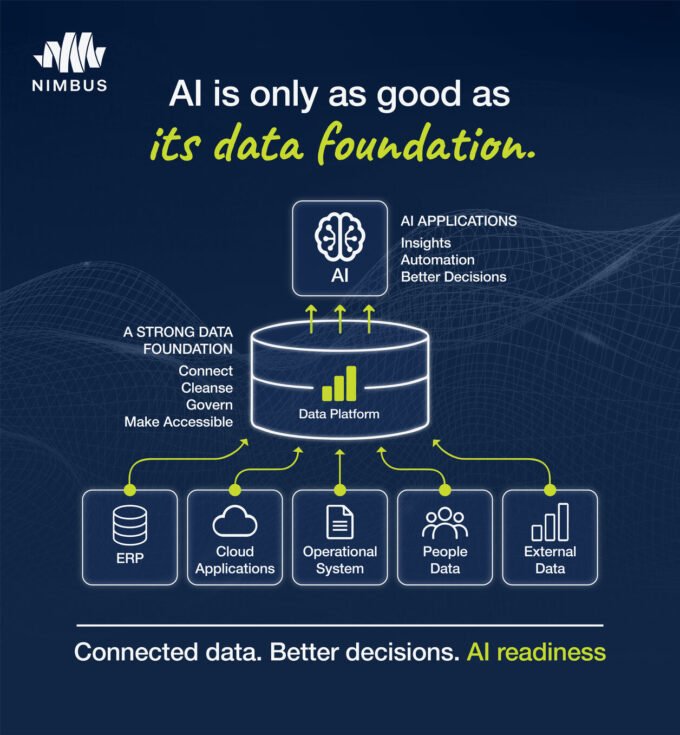
Modern enterprise architectures enable continuous data integration across core business platforms, including Enterprise Resource Planning (ERP) systems, Customer Relationship Management (CRM) platforms, and Human Resource Information Systems (HRIS). This connectivity ensures decision-makers always work with accurate operational facts.
Transforming Operational Data into Strategic Value
Information achieves true value when converted into actionable insights. Connecting data feeds from regional offices, distribution channels, and operational units enables management teams to identify bottlenecks, optimize working capital, and allocate resources efficiently toward high-performing initiatives.
-
Automated Data Integration: Replaces manual copy-and-paste routines with secure, automated data pipelines.
-
Continuous Rolling Forecasts: Replaces static annual budgets with dynamic projections updated on a regular schedule.
-
Multi-Dimensional Visibility: Enables leadership to evaluate operational performance by product, geography, or customer group effortlessly.
Foundations of Synchronized Enterprise Planning
Designing a scalable planning environment involves aligning technology capabilities with actual business workflows. By establishing shared data models across divisions, enterprises build strong operational coordination across all management tiers.
Aligning Financial and Operational Workflows
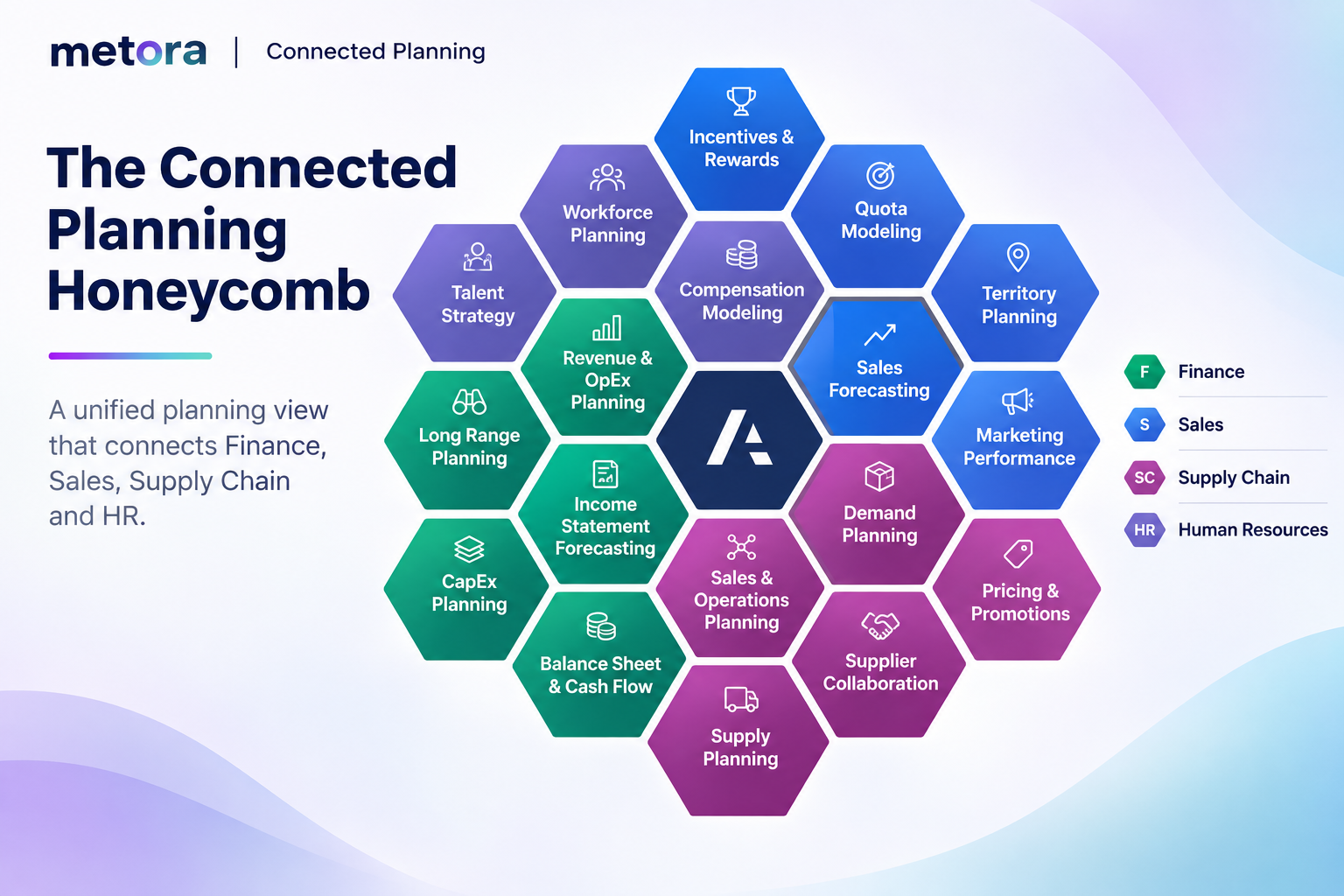
Financial plans achieve high accuracy when directly informed by operational activity. For example, when marketing launches a new product campaign, supply chain platforms can automatically adjust inventory expectations. Simultaneously, HR models calculate required staffing levels while financial models evaluate cash flow impacts. This harmony creates stability across the entire firm.
Fostering Collaborative Strategic Management
When every department works within a single digital ecosystem, cross-functional communication improves dramatically. Functional managers gain immediate visibility into how local unit decisions affect broader corporate outcomes, encouraging collaborative problem-solving and shared strategic accountability.
Seamless data integration across operations, finance, and human resources transforms corporate strategy into an agile, continuous execution process.
Advanced Analytics and Strategic Flexibility
Market uncertainty is a natural aspect of business operations, but modern digital platforms provide the capabilities needed to navigate changing conditions confidently.
Precision Through Driver-Based Modeling
Grounding forecasts in operational drivers allows finance and operations teams to model business outcomes with high precision. By focusing on primary drivers—such as manufacturing output rates, sales conversion metrics, or service delivery hours—companies can update corporate models instantly as operational variables change.
Dynamic Resource Allocation
In rapidly shifting markets, capital allocations must remain flexible. Modern planning frameworks provide executive teams with continuous visibility into underutilized budgets, enabling the swift reallocation of capital toward emerging strategic opportunities.
-
Identify Performance Variances: Automated tracking highlights performance variances across divisions in real time.
-
Evaluate Opportunity Impact: Scenario engines model financial outcomes of reallocating funds to growth projects.
-
Execute Strategic Adjustments: Executive leadership reallocates capital confidently based on empirical data models.
Maximizing System Value Through Professional Implementation
Technology adoption succeeds when software solutions are intuitive and provide immediate value to daily workflows. Providing functional managers with easy-to-navigate dashboards encourages a culture of accountability and data-backed decision-making throughout the enterprise.
To ensure system architecture matches unique operational needs and regional regulatory standards, forward-thinking organizations collaborate with skilled Data consultants who guide platform design, data integration, and user onboarding.
Conclusion
Implementing a connected digital planning architecture is a foundational step for organizations striving for sustained enterprise growth. By modernizing legacy processes and uniting cross-departmental operations under a single digital framework, companies achieve clear operational visibility, improve forecasting precision, and build lasting business agility. Embracing data-driven connected intelligence empowers leadership teams to guide their enterprises toward a successful and prosperous future.
Frequently Asked Questions
How do continuous rolling forecasts improve financial management?
Rolling forecasts update projections regularly to reflect current operational results and market conditions, providing executives with a continuously updated view of financial health rather than a static snapshot.
What is the role of driver-based modeling in corporate planning?
Driver-based modeling connects financial projections directly to key operational activities (such as production output or customer acquisition rates), ensuring forecasts automatically adjust as operational inputs change.
Why should companies engage specialized consultants for platform deployment?
Specialized consultants bring proven implementation methodologies, technical expertise, and industry best practices that reduce deployment risks, ensure proper system architecture, and accelerate time-to-value.