

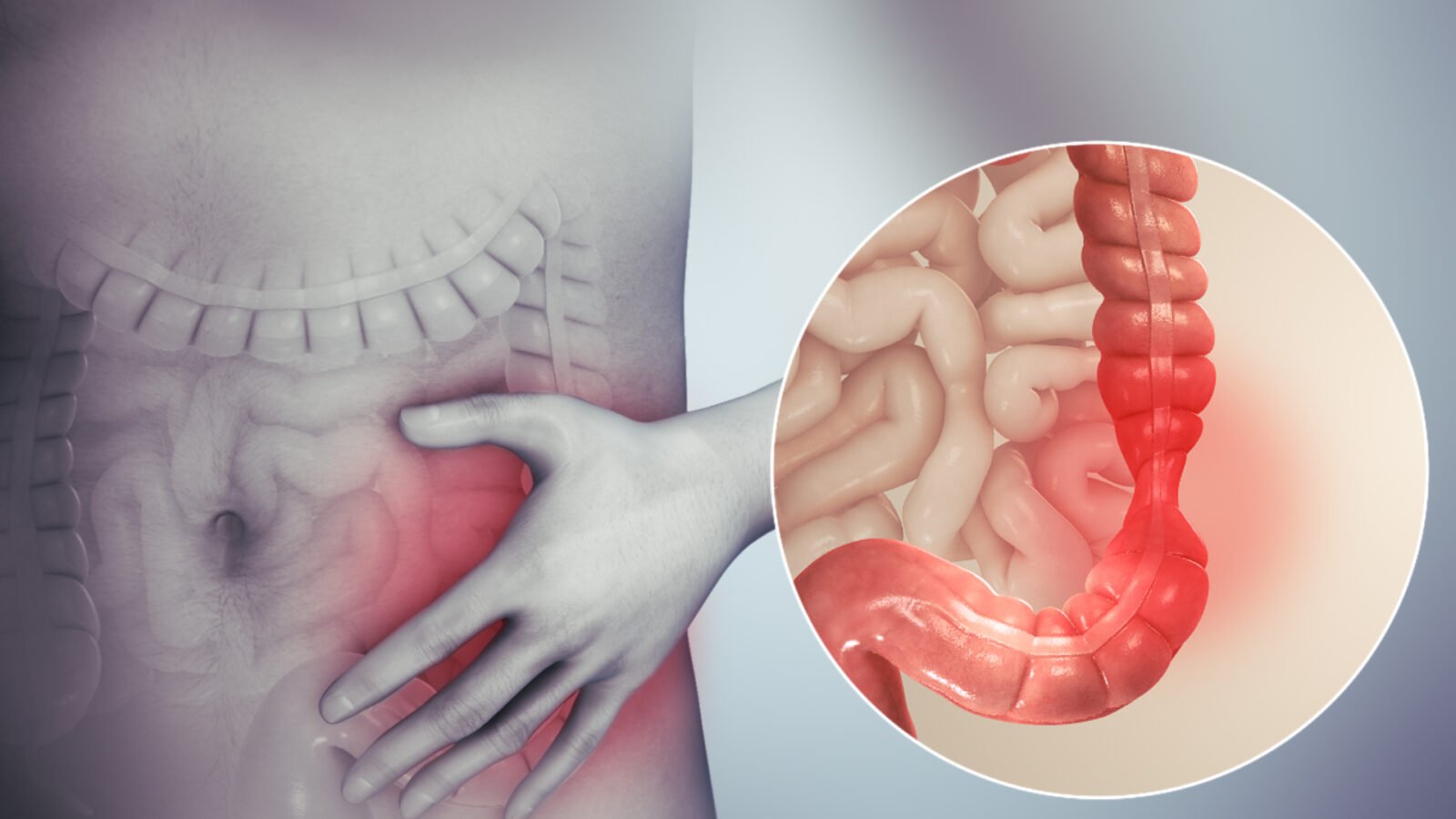
You’ve had the blood tests. The ultrasound was clean. The endoscopy showed nothing. And yet the cramps, the bloating and the unpredictable trips to the bathroom keep coming — often at the worst possible times. If that sounds familiar, you may be dealing with Irritable Bowel Syndrome (IBS), one of the most common gut conditions in the world and one of the most misunderstood.
The frustrating thing about IBS is that everything “looks normal.” The reassuring thing is that IBS is real, well understood, and very manageable once you stop chasing a disease that isn’t there and start treating the problem that is.
What IBS actually is
IBS is a disorder of the gut–brain axis. The bowel itself is structurally healthy — no ulcers, no inflammation, no damage — but the way the gut’s nerves, its resident bacteria and the brain talk to each other goes out of tune. The result is a gut that becomes oversensitive (mild stimuli trigger real, intense cramps) and poorly coordinated (it moves food through too fast or too slow).
That’s why IBS is sometimes dismissed as “just stress” or “a nervous stomach.” It isn’t imaginary, and it isn’t a character flaw — it’s a genuine change in how the gut functions.
The three types
IBS isn’t one single pattern. Knowing your type matters, because the treatment differs:
IBS-D (diarrhoea-predominant): loose or watery stools, urgency, sometimes mucus.
IBS-C (constipation-predominant): hard, lumpy stools, straining, a sense of incomplete evacuation.
IBS-M (mixed): alternating between the two.
Symptoms worth recognising
Recurrent abdominal pain or cramping, often relieved by passing stool
Bloating, visible distension, excessive gas
Mucus in the stool (but never blood)
Urgency, or a feeling that you haven’t fully emptied
Flare-ups triggered by stress, specific foods, or — in women — the menstrual cycle
The symptoms that are NOT IBS
This is the most important part of the article. IBS never causes certain “alarm” symptoms, and if you have any of these, you need proper evaluation — often a colonoscopy (https://dranandosengupta.com/colonoscopy) — before anyone settles on an IBS label:
Blood in the stool
Unintentional weight loss
Fever or anaemia
New symptoms starting after the age of 45
A family history of colon cancer or inflammatory bowel disease (IBD)
IBS is a diagnosis you reach after ruling these out — not a label to slap on any uncomfortable tummy.
How IBS is diagnosed
For most people, IBS is diagnosed clinically using the Rome IV criteria: recurrent abdominal pain at least one day a week over the past three months, linked to passing stool or to a change in how often or how firm your stools are. A few targeted tests — blood counts, a stool inflammation marker (faecal calprotectin), thyroid and celiac screening — help exclude the common mimics. A colonoscopy is reserved for people with the red-flag features above or those over 45.
The point of this workup isn’t to find something scary — it’s to confirm IBS confidently so you can treat it without second-guessing.
What actually helps
There’s no single pill that “cures” IBS, but a stepwise plan brings most people substantial relief. Here’s the toolkit a gastroenterologist typically works through.
- Diet — the foundation.
The best-studied approach is a supervised low-FODMAP diet: a structured 4–6 week elimination of certain fermentable carbohydrates, followed by a careful re-introduction to find your personal triggers. It works for a majority of patients — but it’s meant to be a short diagnostic tool guided by a professional, not a permanent restrictive diet. Beyond that: soluble fibre like isabgol (psyllium) for constipation, smaller regular meals, good hydration, and cutting back on caffeine and alcohol. Common personal triggers include dairy, wheat, onion, garlic, beans and sugar-free (sorbitol) gum.
- Targeted medication.
Matched to your subtype: antispasmodics for cramps; loperamide on demand for IBS-D; osmotic laxatives for IBS-C; rifaximin (a non-absorbed antibiotic) and selected probiotics for bloating and diarrhoea; and, in stubborn cases, low-dose nerve-modulating medicines that calm gut pain signals — prescribed because they work on the gut, not because the problem is “in your head.”
- Gut–brain therapies.
Because the brain and gut are so closely wired in IBS, approaches like cognitive behavioural therapy (CBT), gut-directed hypnotherapy and mindfulness have genuinely strong evidence. They aren’t a replacement for medical care — they’re a powerful add-on, especially when stress clearly fuels your flares.
When to see a doctor
See a gastroenterologist if your symptoms are frequent enough to disrupt daily life, if over-the-counter remedies aren’t holding them, or if you simply want a confident diagnosis rather than years of guesswork. Go promptly — don’t wait — if you notice any of the red-flag symptoms above.
Done properly, IBS care is structured and evidence-based: rule out the serious conditions, pin down your triggers, match the medication to your subtype, and address the stress link. Most people on a proper plan feel substantially better within weeks. Thoughtful IBS treatment in Delhi (https://dranandosengupta.com/ibs-irritable-bowel-syndrome-treatment) is about exactly that — not dismissing your symptoms, but decoding them.
IBS can feel like your own body is working against you. It isn’t a disease that damages the gut, and it isn’t something you have to simply live around. With the right plan, unpredictable bowels can become predictable again.
By Dr. Anando Sengupta (MBBS, DNB General Medicine, DrNB Gastroenterology), a gastroenterologist, hepatologist and endoscopist with over 9 years of specialist experience. He consults at North Delhi Nursing Home, Ashok Vihar and Fortis Hospital, Shalimar Bagh, New Delhi. Learn more at dranandosengupta.com.
This article is for general information only and is not a substitute for a personal medical consultation. Please see a qualified doctor for advice specific to your condition.