


It’s one of the great ironies of health in India: we get some of the most generous sunshine in the world, yet vitamin D deficiency is remarkably widespread — across cities and villages, among the young and the old, the indoor office worker and the homemaker alike. Study after study across Indian populations has found that a large share of adults run low on it, often without realising.
The catch is that vitamin D deficiency is a quiet condition. Its symptoms are vague and easy to pin on something else — a tiring week, weak sleep, “just getting older.” But vitamin D does far more than protect bones. It supports muscle strength, immunity, and mood, which is why running low can leave you feeling off in ways that are hard to name.
Here’s how to recognise the signs, who’s most at risk, and when a simple blood test is worth doing.
Why is vitamin D deficiency so common in sunny India?
It seems contradictory, but several everyday factors work against us:
– Indoor lifestyles. Most of us work, study and commute indoors, with little midday skin exposure to sunlight.
– Sun avoidance. Heat, pollution, and the use of sunscreen and covering clothing all reduce how much vitamin D the skin can make.
– Skin tone. Higher melanin — natural in Indian skin — means the skin needs longer sun exposure to produce the same amount of vitamin D.
– Diet. Very few foods naturally contain vitamin D, and predominantly vegetarian diets offer even fewer sources.
– Air pollution. In cities like Delhi, haze and particulate pollution cut the amount of vitamin-D-producing UVB light that reaches the ground.
Put together, these mean sunshine alone often isn’t enough.
Signs you might be running low on vitamin D
Vitamin D deficiency rarely causes dramatic symptoms. Instead, it tends to show up as a cluster of low-grade complaints:
– Persistent tiredness and low energy, even with enough sleep
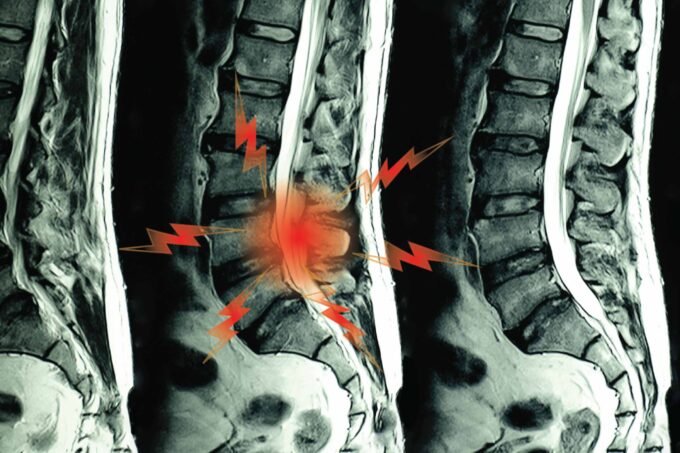
– Bone and back ache — a dull, deep discomfort, often in the lower back
– Muscle weakness or cramps, and feeling it harder to climb stairs or rise from sitting
– Frequent colds and infections, as vitamin D plays a role in immune defence
– Low mood — a recognised link exists between low vitamin D and depressed mood, especially in winter
– Hair thinning, which has been associated with significant deficiency
– Slow healing of wounds or a general sense of running down
Because each of these has many possible causes, the only way to know whether vitamin D is the culprit is to measure it.
Who is most at risk?
Some groups are considerably more likely to be deficient and may benefit from testing sooner:
– Adults who spend most of the day indoors
– Older adults, whose skin makes vitamin D less efficiently
– People with darker skin tones
– Pregnant and breastfeeding women
– People who are overweight (vitamin D gets sequestered in fat tissue)
– Anyone with digestive conditions that affect absorption, or on long-term certain medications
– People following strict vegetarian or vegan diets
Which test do you need?
The right test is the 25-hydroxy vitamin D test (written as 25-OH vitamin D or 25(OH)D) — a simple blood test that measures your circulating vitamin D level. It’s the standard way doctors assess vitamin D status, and it’s widely available, often bundled into a vitamin or general health panel. If you’d like to check your level, you can book a vitamin D test on its own or as part of a wider profile.
Results are usually reported in ng/mL. Your doctor will interpret your number in the context of your symptoms and history, and advise whether you need correction and at what dose — self-dosing high-strength vitamin D without testing is not a good idea, as excess is possible.
How to prepare for the test
Good news: it’s low-effort.
– No fasting is required for a standalone vitamin D test. If it’s combined with sugar or lipid tests, you’ll fast for those.
– Mention any supplements you already take — vitamin D, calcium, or multivitamins — so your doctor can interpret the result correctly.
– Home sample collection is available across Delhi NCR, so you can get tested without a clinic trip; a quick blood draw at home is all it takes.
If you’re low, what actually helps?
Correction is usually straightforward and guided by your doctor:
– Sensible sun exposure — short, regular periods of midday sunlight on bare arms and legs, balanced against skin-safety.
– Food sources — fortified milk and cereals, egg yolk, mushrooms, and fatty fish for non-vegetarians.
– Supplements — the fastest, most reliable fix for a confirmed deficiency, but the dose should be set by your doctor based on your level, then rechecked after a few months.
The point isn’t to panic about a number — it’s that vitamin D is one of the easiest deficiencies to identify and correct, and doing so can noticeably improve energy, strength and wellbeing.
Frequently asked questions
Can I just take a supplement instead of testing?
A modest daily dose is often reasonable, but correcting a real deficiency needs the right (higher) dose for a set period — and that should be based on a test, not a guess. Testing also tells you whether your symptoms are actually from vitamin D or something else.
How often should I retest?
If you’re being treated for a deficiency, doctors usually recheck after about 8–12 weeks to confirm your level has risen. Otherwise, an annual check is reasonable for people in high-risk groups.
Is vitamin D deficiency linked to other conditions?
It’s strongly tied to bone health and is commonly checked alongside calcium. Your doctor may test it together with thyroid, B12 or a general panel when symptoms overlap.
—
This article was contributed by the team at Saral Diagnostics, a diagnostic centre in Pitampura, New Delhi offering pathology, imaging and preventive health check-up packages with home sample collection across Delhi NCR. Learn more at saraldiagnostics.com
Educational information only — not a substitute for personalised medical advice. Please consult your doctor about testing and treatment.