


Axial spondyloarthritis and ankylosing spondylitis are often confused to be the same condition. This mistake makes many people opt for the wrong treatment. The condition doesn’t improve over time, which takes a toll on normal life. Understanding the difference between the two ensures you seek the right treatment.
What is Axial Spondyloarthritis?
Also known as axSpa, axial spondyloarthritis is a chronic disease that mainly affects the sacroiliac joints and spines. It is considered a serious health issue, with around 0.007 to 1.7% of the world population struggling with it. Getting the right diagnosis and early treatment is the key to managing this condition in the long term.
Axial spondyloarthritis has two main types, radiographic axSpA and non-radiographic axSpA. The former is commonly called ankylosing spondylitis.
What is Ankylosing Spondylitis?
Ankylosing spondylitis is a type of axial spondyloarthritis. It is a type of inflammatory disease that mainly affects your spine. Over time, the inflammation may cause some bones in the spine to fuse, making them less flexible and leading to a hunched posture. If the joints in the chest are affected, it may become harder to take deep breaths. The condition may affect your quality of life on many levels.
A timely diagnosis of ankylosing spondylitis will help you seek the right treatment and manage the symptoms.
What are the Differences between Axial Spondyloarthritis and Ankylosing Spondylitis?
Although falling under the same disease group, these diseases have several differences that help doctors plan the best treatment for a specific condition.
Imaging Distinctions
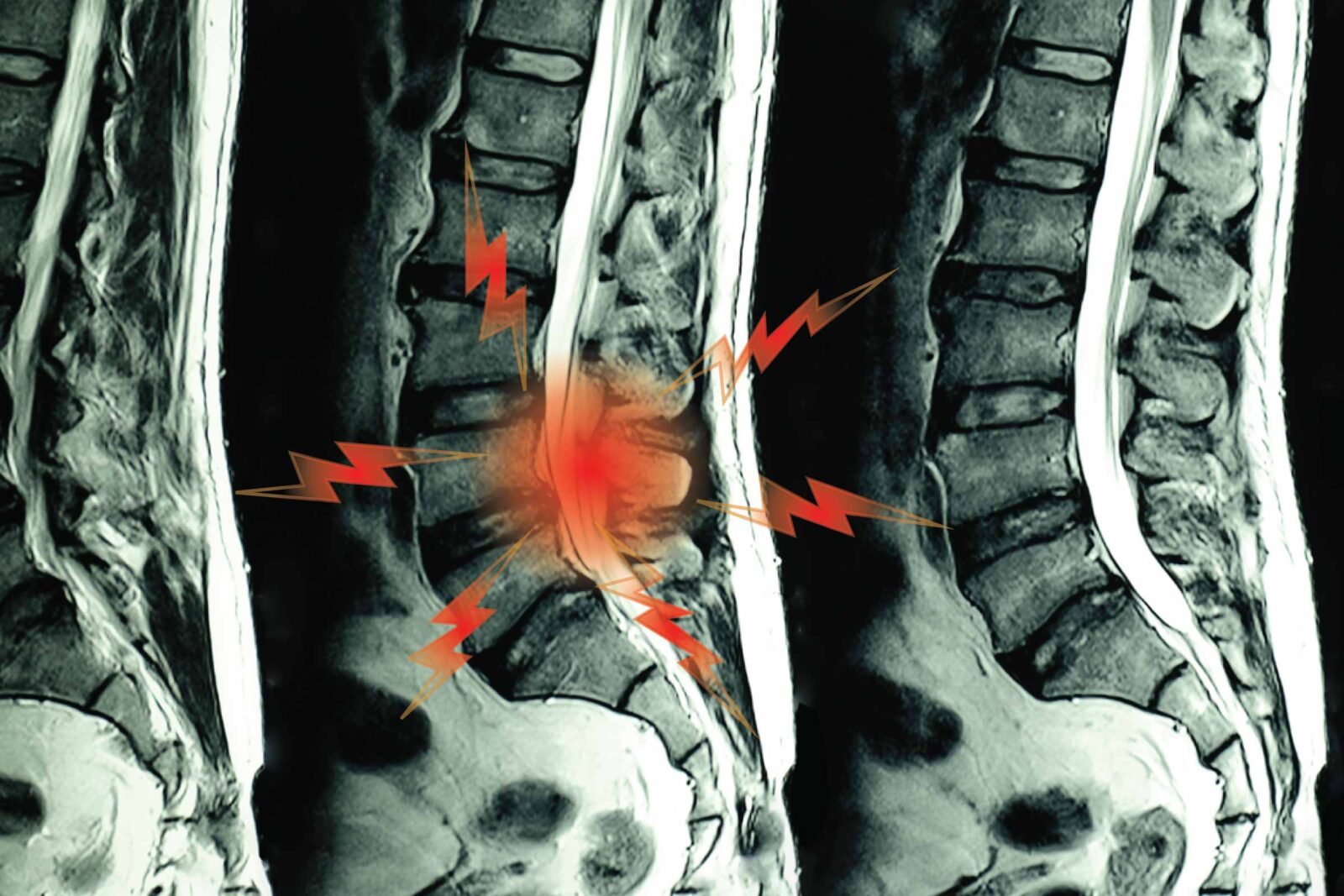
The primary difference between both of them is their image findings. Non-radiographic axSpA doesn’t show any structural damage on the X-ray; however, it has inflammatory changes on the MRI. On the other hand, ankylosing spondylitis shows clear structural damage on the X-ray, along with inflammatory changes.
Their image distinction easily helps the doctor diagnose the condition and create a proper treatment plan.
Symptoms
Both axial spondyloarthritis and ankylosing spondylitis share similar symptoms, including chronic back pain, fatigue, and stiffness. However, it is the burden of the disease that helps the doctor find the difference between the two.
Ankylosing spondylitis has more severe symptoms and a higher risk of disability due to its progressive nature, whereas the symptoms do not progress as fast in axial spondyloarthritis. It makes the disability risk in the former condition higher than in the latter.
Patterns of Disease Progression
Another important point of difference between the two is their pattern of disease progression. Not all non-radiographic axSpA patients develop ankylosing spondylitis. According to studies, some patients may progress within a few years. The risk of progression of the condition is characterized by certain biomarkers and the severity of the symptoms at the beginning.
Age and Demographics
Age and demographics are other factors that differentiate the two conditions. Ankylosing spondylitis may occur at any age, typically beginning between ages 20 and 40. Also, this condition is more common in men than in women.
On the other hand, axial spondyloarthritis is more common in women than in men. According to studies, this condition is less common among African Americans than among people of other racial backgrounds.
Causes
The causes of both ankylosing spondylitis and axial spondyloarthritis are not yet known. That said, health experts often find a link with a particular gene called human leukocyte antigen B27 or HLA-B27.
According to recent research, 9 out of 10 individuals with axial spondyloarthritis carry the HLA-B27 gene. However, having this gene doesn’t necessarily mean you will develop this condition. axSpA may be triggered by one or more environmental factors, including a virus, infection, trauma of some kind, or stress.
The Importance of Accurate Diagnosis
Both conditions are closely related to each other, which is why it is crucial for the doctors to get an accurate diagnosis. A primary care doctor may be the first person to assess joint pain. You can further visit an arthritis specialist, called a rheumatologist, to confirm the diagnosis of the condition based on the previous suspicion.
There is no single test to diagnose both these diseases. The doctor will discuss your symptoms, perform a physical examination, and order a few tests to rule out causes of back and hip pain.
- Medical History: It is crucial to discuss the medical history with the doctor. Do not hesitate to share the type of symptoms you experience and their timeline. Tell them if the symptoms come and go or are prolonged. Also, tell them about any current medical conditions, use of medicine, and your family history.
- Physical Examination: Physical examination of this condition includes looking for the signs of tenderness, pain, and swelling in the pelvis, spine, and hips.
- Blood Tests: A blood test will be ordered for the HLA-B27 gene. Other tests will also be ordered to check for body-wide inflammation.
- Imaging Test: Lastly, imaging tests, such as X-ray, ultrasound, MRI, or CT scan, will be used to confirm the diagnosis.
Takeaway
The differences between axial spondyloarthritis and ankylosing spondylitis are very minor; however, important. Visit a rheumatologist if you experience symptoms and let them confirm the diagnosis and suggest a proper treatment plan.