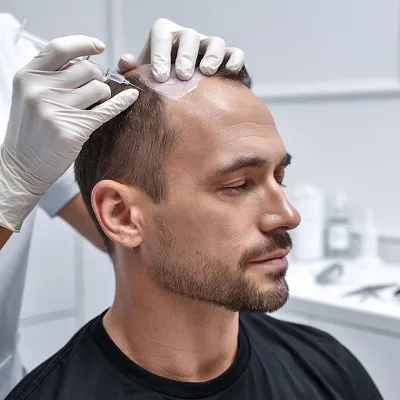
Hair transplant surgery is a popular solution for people experiencing hair loss, baldness, and receding hairlines. However, some individuals are left with visible scars after undergoing hair transplant procedures, particularly FUT and FUE techniques. These scars can affect the appearance of the scalp and make people feel less confident about their looks. Fortunately, modern scalp micropigmentation offers an effective cosmetic solution for improving the appearance of these scars. SMP Scalp Micro Pigmentation in Dubai is becoming an increasingly popular choice for individuals who want to camouflage hair transplant scars and achieve a more natural-looking scalp without undergoing another surgical procedure.
Understanding Hair Transplant Scars
Hair transplant scars can develop after different types of hair restoration surgeries. The two most common procedures are Follicular Unit Transplantation (FUT) and Follicular Unit Extraction (FUE). Each technique can leave different types of scars depending on the surgical method, healing process, and individual skin characteristics. FUT surgery usually involves removing a strip of skin from the back of the scalp, which can leave a linear scar. FUE involves extracting individual hair follicles, which may result in multiple small circular scars across the donor area.Although these scars are generally covered by surrounding hair, they can become noticeable when someone chooses a shorter haircut or shaves their head. Some people also experience changes in skin pigmentation around the transplanted area, making scars more visible. This can create an uneven appearance and affect confidence. Scalp micropigmentation provides a cosmetic approach to reducing the visual contrast between scars and the surrounding scalp.
What Is Scalp Micropigmentation for Hair Transplant Scars?
Scalp micropigmentation, commonly known as SMP, is a non-surgical cosmetic procedure that uses specialized pigments to create tiny impressions resembling natural hair follicles. These impressions are carefully placed into the upper layers of the scalp to create the appearance of closely shaved hair or improve the visual density of existing hair.When used for hair transplant scars, SMP focuses on blending the scar tissue with the surrounding scalp. The practitioner selects suitable pigment shades and applies small impressions to reduce the difference in color between the scar and the natural scalp. The objective is to create a more consistent appearance rather than completely remove the scar.
How Does SMP Cover FUT Linear Scars?
FUT hair transplant procedures can leave a horizontal scar across the back of the scalp. This scar may become visible when the hair is cut very short or when the surrounding hair becomes thinner. For people who prefer a buzz cut or shaved hairstyle, the visible line can be frustrating.SMP can help camouflage FUT scars by placing carefully selected pigment impressions along the scar tissue. The practitioner works to match the pigment with the surrounding scalp and natural hair follicle appearance. By reducing the contrast between the scar and the surrounding skin, the treated area can appear more uniform.Before starting treatment, an SMP specialist should examine the scar to determine whether it is suitable for pigmentation. Flat, fully healed scars are generally easier to treat than raised, irregular, or unstable scar tissue. Multiple sessions may be required to build a balanced appearance and achieve appropriate pigment coverage.
Can SMP Hide FUE Hair Transplant Scars?
FUE hair transplant surgery usually leaves numerous small circular marks in the donor area. These marks may be difficult to notice when the hair is longer, but they can become more visible after shaving or choosing a very short haircut.Scalp micropigmentation can help reduce the appearance of these small extraction scars by adding tiny pigment impressions that blend with the surrounding follicle pattern. The specialist considers the distribution, size, and color of the scars before beginning the procedure.The main goal is to create a natural-looking transition between the scarred areas and unaffected scalp. When performed carefully, SMP can make individual extraction marks less noticeable and help create a more consistent appearance across the donor region.
How Does the SMP Treatment Process Work?
The SMP treatment process generally begins with a consultation and scalp assessment. During this appointment, the specialist examines the hair transplant scars, evaluates the skin condition, and discusses the client’s desired appearance. The practitioner may also review photographs of the scalp and previous hair transplant procedures to better understand the treatment area.Once the assessment is complete, the specialist selects an appropriate pigment shade that complements the client’s natural hair color and skin tone. The treatment area is then prepared according to professional hygiene standards.During the procedure, specialized equipment is used to deposit tiny pigment impressions into the scalp. The practitioner carefully controls the placement, spacing, and pigment intensity to achieve a natural-looking result. Treatment is usually completed over multiple sessions, depending on the scar size and the individual’s response to pigmentation.
Does SMP Completely Remove Hair Transplant Scars?
One important thing to understand is that scalp micropigmentation does not physically remove or repair hair transplant scars. Instead, it works as a cosmetic camouflage technique that reduces their visibility.The pigment creates the appearance of natural hair follicles, helping the scar blend with the surrounding scalp. This can make the treated area look more uniform, especially when the hair is kept short.However, results can vary depending on several factors, including scar depth, skin texture, scar color, and individual healing characteristics. Raised or unusually textured scars may require additional assessment before treatment. Clients should have realistic expectations and understand that SMP improves the appearance of scars rather than eliminating them.
How Many SMP Sessions Are Needed for Scar Camouflage?
The number of sessions required depends on the size and condition of the hair transplant scar. Smaller FUE marks may require a different treatment approach from a long FUT strip scar.In many cases, treatment is completed over two or three sessions, although some individuals may require additional appointments. The first session establishes the initial pigment pattern, while subsequent sessions help improve coverage, density, and color consistency.The specialist evaluates the healing process between appointments and determines whether additional pigmentation is necessary. Rushing the treatment or applying excessive pigment in a single session may affect the natural appearance. A gradual approach allows the practitioner to make adjustments based on the results.
Is SMP Safe for Previously Transplanted Scalp Skin?
SMP is generally considered a non-surgical cosmetic procedure, but the condition of the scalp is important before treatment. Hair transplant scars should be fully healed and stable before pigmentation begins.Individuals with active inflammation, infection, open wounds, or problematic scar tissue should seek appropriate medical advice before considering SMP. People with a history of abnormal scarring or pigment sensitivity should also discuss their circumstances with a qualified professional.
How Long Do SMP Results Last on Hair Transplant Scars?
Scalp micropigmentation results can last for several years, although the longevity of the pigment depends on skin type, lifestyle, sun exposure, skincare habits, and treatment technique. Over time, pigments may gradually become lighter, which can make the treated scar more noticeable again.
Why Choose Glamorous Clinic Dubai for SMP Scar Camouflage?
Choosing the right clinic is an important part of achieving natural-looking scalp micropigmentation results. Glamorous Clinic Dubai provides an opportunity for individuals interested in exploring SMP as a cosmetic option for improving the appearance of previous hair transplant scars.A professional consultation should include an assessment of the donor area, scar texture, pigmentation, and overall scalp condition. Understanding the client’s preferred hairstyle and desired outcome also helps guide the treatment approach.For people considering SMP, it is important to discuss the practitioner’s experience with scar camouflage, review genuine before-and-after photographs, and understand the expected number of session
Conclusion
Hair transplant scars can sometimes affect confidence, especially for individuals who prefer short hairstyles or a completely shaved-head appearance. Scalp micropigmentation offers a non-surgical cosmetic technique that can help camouflage FUT linear scars and FUE extraction marks by creating tiny impressions that resemble natural hair follicles.