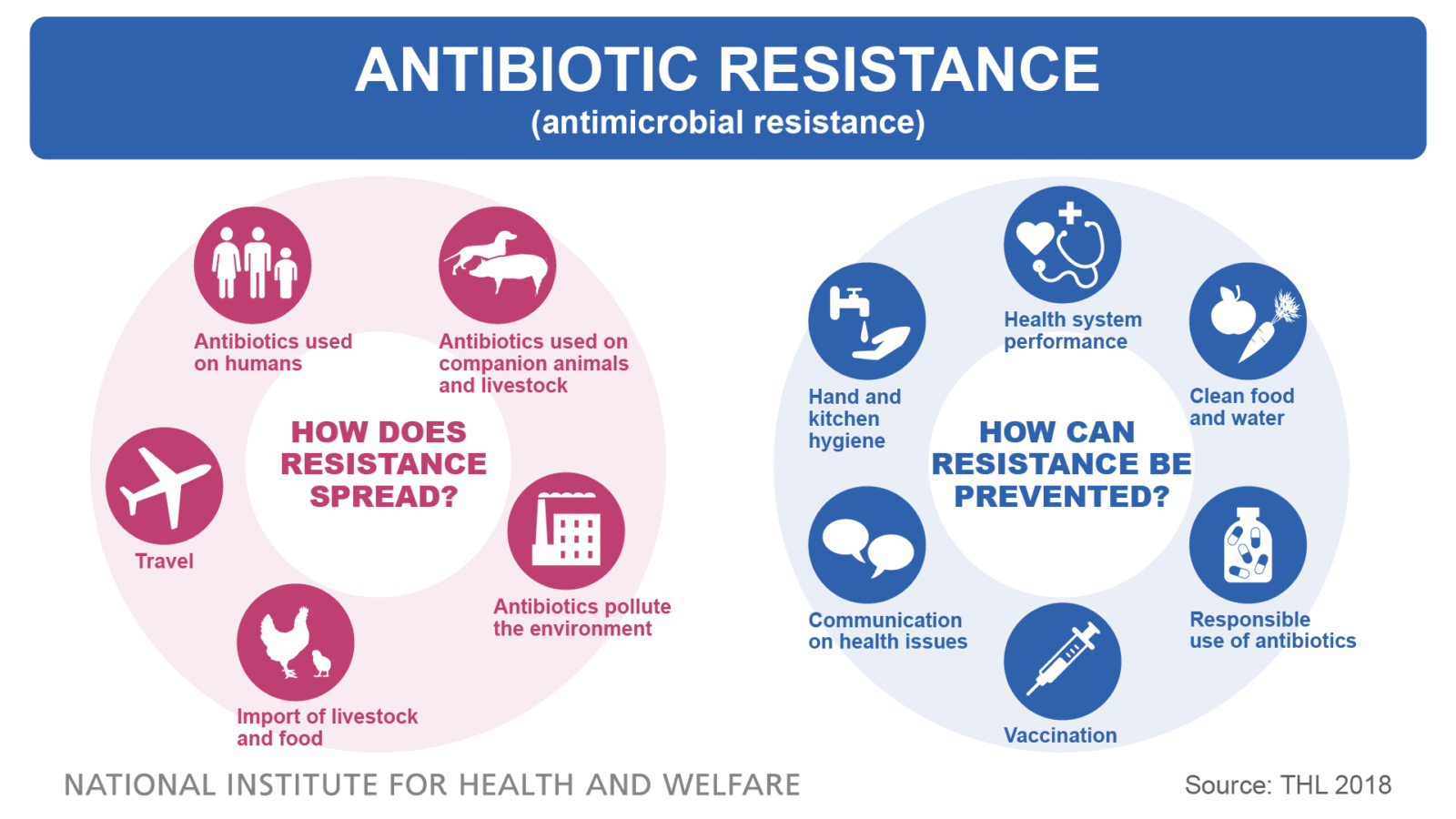
Antibiotics resistance in nigeria is becoming a growing concern for public health. Antibiotics have played an important role in treating bacterial infections and saving lives but their effectiveness is being threatened when bacteria develop the ability to survive medicines that once killed or controlled them. As resistance increases infections can become more difficult to treat leading to longer illnesses higher healthcare costs and greater risks for patients.
For Nigeria addressing antibiotic resistance requires more than simply developing new medicines. It involves responsible antibiotic use better diagnosis stronger infection prevention effective surveillance antimicrobial stewardship and public education. Everyone has a role to play in protecting antibiotics and ensuring they remain useful for future generations.
Understanding Antibiotic Resistance
Antibiotic resistance occurs when bacteria change in ways that allow them to survive exposure to antibiotics. This means that a medicine that previously worked against an infection may no longer be effective.
Resistance is a natural process but human activities can make it happen faster. The unnecessary use of antibiotics incorrect prescriptions poor adherence to treatment instructions and using antibiotics when they are not needed can contribute to the development and spread of resistant bacteria.
It is also important to understand that antibiotic resistance is different from the body becoming resistant to antibiotics. It is the bacteria that become resistant. When resistant bacteria infect people standard treatments may no longer work as expected.
Why Antibiotics Resistance in Nigeria Is a Concern
Nigeria faces several challenges that can make antibiotic resistance difficult to control. The country has a large population and significant differences in access to healthcare between urban and rural communities.
In some settings people may have difficulty accessing qualified healthcare professionals or diagnostic testing. As a result individuals may sometimes turn to self-medication or purchase antibiotics without proper medical assessment.
The availability and use of antibiotics in communities also need careful attention. When antibiotics are used without knowing whether an infection is bacterial there is a risk of unnecessary exposure. This can contribute to the wider problem of antibiotics resistance in nigeria.
Self-Medication and Misuse of Antibiotics
Self-medication is one of the challenges associated with inappropriate antibiotic use. A person experiencing fever cough sore throat or other symptoms may assume that an antibiotic is needed and purchase one without consulting a healthcare professional.
However many common illnesses are caused by viruses against which antibiotics do not work. Taking antibiotics unnecessarily exposes bacteria in the body to these medicines without providing a benefit to the patient.
Another concern is stopping treatment early because symptoms have improved. Patients should follow the instructions provided by their healthcare professional rather than deciding independently when to stop treatment.
Sharing antibiotics with friends or family members and using leftover medicines from previous illnesses are also practices that should be avoided.
The Importance of Accurate Diagnosis
Good diagnosis is an important part of tackling antibiotic resistance. When healthcare professionals can identify the cause of an infection they are better positioned to determine whether an antibiotic is needed.
Laboratory testing can provide valuable information about the bacteria responsible for an infection and which antibiotics are likely to be effective.
Strengthening diagnostic and laboratory capacity in Nigeria can therefore support better treatment decisions. It can also reduce unnecessary antibiotic use and provide valuable information for monitoring resistance patterns.
When diagnosis is combined with strong clinical judgment and appropriate guidelines patients are more likely to receive treatment that matches their actual needs.
Antibiotic Stewardship Can Make a Difference
Antimicrobial stewardship focuses on ensuring that antimicrobial medicines are used appropriately. In the case of antibiotics stewardship encourages healthcare professionals to use the right medicine for the right bacterial infection at the appropriate dose and duration.
Strong stewardship programs can help hospitals and other healthcare facilities review prescribing practices educate healthcare workers improve treatment guidelines and monitor antibiotic use.
Antimicrobial stewardship is particularly important in Nigeria because responsible antibiotic use can help protect the medicines that remain effective.
Organizations and healthcare professionals working to strengthen stewardship can help create a culture where antibiotics are treated as valuable resources rather than routine medicines for every illness.
Strengthening Antibiotic Resistance Surveillance
You cannot effectively manage a problem that you cannot clearly measure. Surveillance helps health authorities and healthcare professionals understand how antibiotic resistance is changing.
Antibiotic resistance surveillance involves collecting and analyzing information about resistant bacteria and their response to different antibiotics. This information can help identify important resistance patterns and emerging threats.
Laboratories play a central role in surveillance. Reliable testing allows health professionals to understand which antibiotics are effective and where resistance may be increasing.
Better surveillance data can also support national policies hospital treatment guidelines antimicrobial stewardship programs and public health interventions.
Infection Prevention Reduces Antibiotic Use
Preventing infections is another important part of addressing antibiotic resistance. If fewer people develop bacterial infections there is less need to use antibiotics.
Hand hygiene safe water sanitation vaccination food safety and appropriate infection prevention and control practices can help reduce the spread of infectious diseases.
Healthcare facilities also need strong infection prevention programs. Good hygiene practices appropriate cleaning safe procedures and effective infection control can help prevent resistant bacteria from spreading between patients.
Prevention is especially valuable because it addresses the problem before antibiotics are even needed.
The Role of Healthcare Professionals
Doctors nurses pharmacists laboratory professionals and other healthcare workers are essential to the fight against antibiotic resistance.
Healthcare professionals can help by prescribing antibiotics appropriately educating patients encouraging diagnostic testing when needed and following evidence-based treatment guidelines.
Pharmacists can also help reduce inappropriate antibiotic use by providing patients with accurate information and supporting responsible medicine practices.
Healthcare workers are often trusted sources of health information. Their conversations with patients can therefore have a lasting effect on how antibiotics are understood and used.
Public Awareness Is Essential
The public needs clear information about antibiotics and resistance. Many people may not realize that antibiotics do not treat viral infections or that inappropriate use can contribute to resistance.
Public awareness campaigns can explain when antibiotics are appropriate why professional medical advice matters and why people should not share or reuse leftover antibiotics.
Schools healthcare facilities community organizations social media platforms and public health institutions can all contribute to education.
The message should be simple: antibiotics are valuable medicines and they should be used responsibly.
A One Health Approach
Antibiotic resistance is not limited to hospitals and human health. Resistant bacteria can also be associated with animals agriculture food production and the environment.
This is why a One Health approach is important. Human health professionals veterinarians agricultural experts environmental specialists researchers policymakers and communities need to work together.
A coordinated approach can help Nigeria understand how resistance develops and spreads across different settings and identify solutions that protect people animals and the environment.
The Role of NNAST
The Nigerian National Antimicrobial Stewardship TaskForce (NNAST) has an important role in strengthening antimicrobial stewardship in Nigeria.
Through coordination education professional engagement and collaboration with relevant stakeholders NNAST can contribute to efforts aimed at promoting responsible antimicrobial use.
Addressing antibiotics resistance in nigeria requires coordinated action across healthcare settings. Stronger stewardship surveillance infection prevention laboratory services and public education can work together to reduce the inappropriate use of antibiotics and slow the spread of resistance.
What Can Nigeria Do Going Forward?
There is no single solution to antibiotic resistance. Nigeria needs a sustained and coordinated approach.
Healthcare facilities can strengthen antimicrobial stewardship and infection prevention programs. Laboratories can improve diagnostic capacity and resistance testing. Health authorities can strengthen surveillance and use data to guide policies.
Communities can help by avoiding self-medication and seeking appropriate healthcare advice. Patients can follow prescriptions carefully and avoid sharing antibiotics.
Continued research and professional training are also important. As resistance patterns change healthcare workers need access to updated information and practical tools.
Conclusion
Antibiotics resistance in nigeria is a serious public health challenge but meaningful progress is possible. Responsible antibiotic use accurate diagnosis strong surveillance infection prevention antimicrobial stewardship and public awareness can all help slow the development and spread of resistant bacteria.
Protecting antibiotics is a shared responsibility. Healthcare professionals policymakers researchers patients families and communities all have a role in ensuring these medicines remain effective.
With coordinated national action and continued commitment to antimicrobial stewardship Nigeria can strengthen its response to antibiotic resistance and help protect effective treatments for the generations to come.