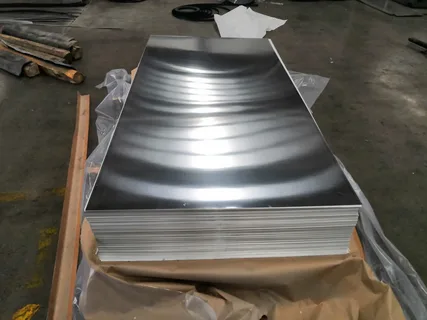
Offshore structures operate in some of the harshest environments on Earth, where constant exposure to saltwater, humidity, and extreme weather demands materials with exceptional durability. One of the most reliable materials used in this field is 5083 marine grade aluminum, known for its superior corrosion resistance and structural strength.
This alloy is widely used in marine and offshore applications due to its ability to maintain performance without significant degradation over time. Unlike many conventional metals, it does not require heavy protective coatings, making it both cost-effective and efficient for long-term use in marine environments.
Key points:
- Excellent resistance to seawater corrosion
- High strength-to-weight ratio
- Ideal for long-term offshore exposure
- Reduces need for protective coatings
Corrosion Resistance in Harsh Marine Environments
One of the most significant advantages of 5083 marine grade aluminum is its outstanding resistance to corrosion, especially in saltwater conditions. This makes it highly suitable for offshore platforms, shipbuilding, and underwater structures where constant exposure to seawater is unavoidable.
The alloy forms a protective oxide layer that naturally shields it from further oxidation. This self-protecting property ensures longevity and reduces maintenance requirements, which is crucial for offshore operations where repairs are costly and complex.
Key points:
- Naturally forms protective oxide layer
- Performs well in continuous saltwater exposure
- Minimizes maintenance and repair costs
- Extends service life of offshore structures
Structural Strength and Lightweight Performance
Offshore structures require materials that combine strength with reduced weight to improve efficiency and safety. 5083 marine grade aluminum offers an excellent balance of both, making it a preferred choice for load-bearing components in marine environments.
Despite being lightweight, this alloy maintains high mechanical strength, allowing engineers to design more efficient structures without compromising durability. Its reduced weight also simplifies transportation and installation in offshore projects.
Key points:
- High strength-to-weight ratio
- Improves fuel and energy efficiency in marine operations
- Easier transportation and installation
- Supports heavy-load offshore applications
Applications in Offshore Structures and Marine Engineering
The versatility of 5083 marine grade aluminum makes it suitable for a wide range of offshore applications. It is commonly used in ship hulls, decks, offshore platforms, and structural frameworks that require both durability and resistance to harsh environmental conditions.
In addition to structural components, it is also used in auxiliary systems such as walkways, ladders, and support structures. Its adaptability ensures consistent performance across different engineering requirements in offshore industries.
Key points:
- Used in ship hulls and marine vessels
- Applied in offshore platforms and rigs
- Suitable for walkways and structural supports
- Common in marine transportation systems
Cost Efficiency and Long-Term Operational Benefits
While the initial cost of 5083 marine grade aluminum may be higher than some traditional materials, its long-term benefits make it a cost-effective choice. Reduced maintenance, longer lifespan, and minimal corrosion damage significantly lower overall operational expenses.
Offshore industries value materials that reduce downtime and maintenance cycles. This aluminum alloy helps achieve that by maintaining structural integrity over extended periods, even under extreme environmental stress.
Key points:
- Lower long-term maintenance costs
- Reduced downtime for repairs
- Long service life in offshore environments
- Improved return on investment
Conclusion
The use of 5083 marine grade aluminum in offshore structures provides a powerful combination of corrosion resistance, strength, and lightweight performance. Its ability to withstand harsh marine conditions while maintaining structural integrity makes it one of the most dependable materials in offshore engineering.
From shipbuilding to offshore platforms, this alloy continues to play a critical role in improving efficiency, safety, and cost-effectiveness. As offshore industries evolve, the demand for durable and sustainable materials like 5083 aluminum is expected to grow even further.