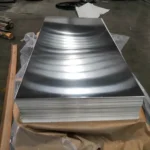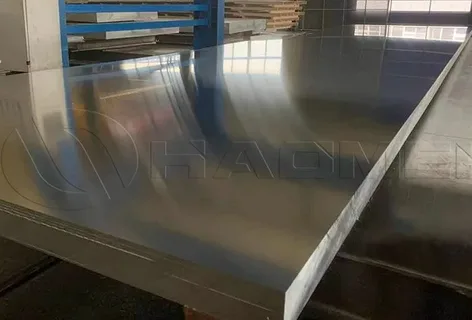
Marine environments are among the harshest conditions for any material due to constant exposure to saltwater, humidity, and varying temperatures. In such conditions, selecting the right material is critical for ensuring safety, durability, and long service life. One material that stands out in this demanding sector is 5083 marine grade aluminum, widely recognized for its excellent corrosion resistance, strength, and versatility in marine engineering.
Corrosion Resistance in Saltwater Environments
One of the most important reasons 5083 marine grade aluminum is preferred in marine applications is its outstanding resistance to corrosion. Saltwater is highly aggressive and can quickly degrade many metals, but this alloy forms a protective oxide layer that prevents further damage. This natural defense mechanism makes it ideal for long-term exposure to seawater.
In addition, this alloy maintains its structural integrity even in highly humid and chemically active marine atmospheres. Unlike steel, it does not require heavy protective coatings, which reduces maintenance costs and improves reliability over time.
- Naturally forms a protective oxide layer
- Resists pitting and crevice corrosion in seawater
- Performs well in high-humidity coastal environments
- Reduces need for frequent protective coatings
High Strength-to-Weight Ratio
Another key advantage of 5083 marine grade aluminum is its excellent strength-to-weight ratio. Marine vessels require materials that are strong enough to withstand harsh ocean forces while remaining lightweight to improve fuel efficiency and speed. This alloy delivers both requirements effectively.
Its lightweight nature reduces the overall load on ships and offshore structures, which helps improve performance and reduces operational costs. Despite being lightweight, it still provides impressive mechanical strength suitable for demanding marine applications.
- Lightweight yet highly durable structure
- Improves fuel efficiency in marine vessels
- Supports high structural load capacities
- Enhances vessel speed and maneuverability
Excellent Weldability and Fabrication
Fabrication flexibility is another reason 5083 marine grade aluminum is widely used in shipbuilding and offshore construction. It can be easily welded using standard techniques without losing its mechanical properties. This makes it highly suitable for complex marine designs.
Moreover, it retains strength after welding, which is critical in building large marine structures such as hulls, decks, and offshore platforms. Its workability allows engineers to create custom designs with precision and efficiency.
- Easy to weld using standard marine fabrication methods
- Maintains strength after welding processes
- Suitable for complex and custom marine structures
- Reduces production time and manufacturing costs
Long-Term Durability and Low Maintenance
Durability is a critical factor in marine environments, where materials are constantly exposed to waves, salt, and weather fluctuations. 5083 marine grade aluminum offers exceptional long-term durability, making it a cost-effective choice over time.
Because it resists corrosion and structural fatigue, it requires significantly less maintenance compared to traditional materials like steel. This helps ship operators and offshore facility managers reduce downtime and maintenance expenses.
- High resistance to fatigue in marine conditions
- Minimal maintenance requirements over time
- Long service life in harsh environments
- Reduces repair and replacement costs
Versatile Applications in Marine Industry
The versatility of 5083 marine grade aluminum makes it suitable for a wide range of marine applications. It is commonly used in ship hulls, pressure vessels, offshore platforms, and marine transportation equipment due to its balanced properties.
Its adaptability allows it to be used in both small boats and large commercial vessels. Engineers rely on this alloy for projects where safety, efficiency, and durability are top priorities.
- Used in shipbuilding and boat hull construction
- Ideal for offshore oil and gas platforms
- Applied in marine transportation systems
- Suitable for both commercial and military vessels
Conclusion
In conclusion, 5083 marine grade aluminum stands out as one of the most reliable materials for marine applications due to its exceptional corrosion resistance, high strength-to-weight ratio, excellent weldability, and long-term durability. Its ability to perform in some of the harshest environments on Earth makes it a preferred choice in modern shipbuilding and offshore engineering. As the marine industry continues to demand stronger, lighter, and more cost-effective materials, this alloy remains a key solution for achieving performance and efficiency without compromise.