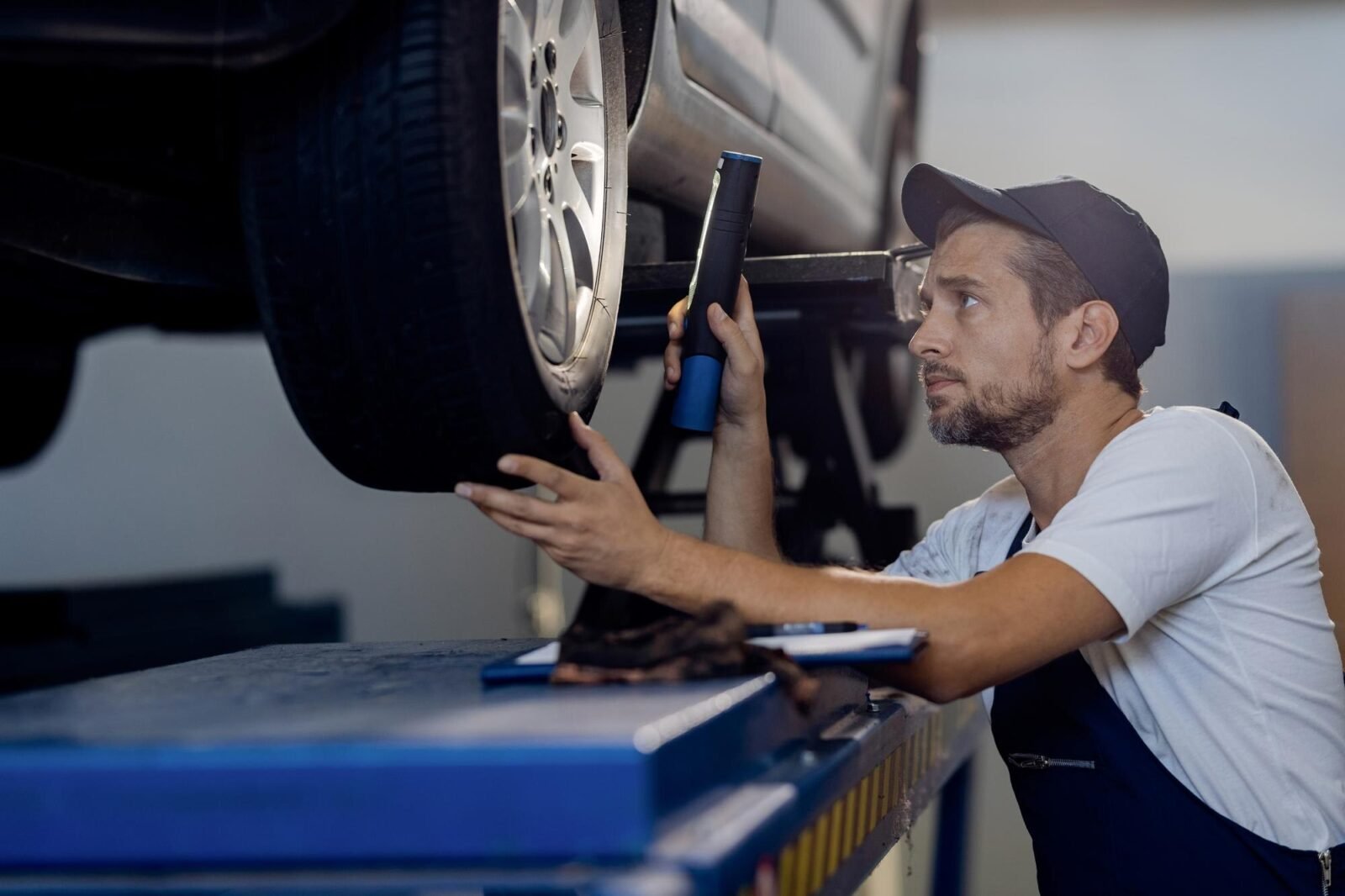
Your brakes and clutch are two of the most important systems in your vehicle. While both naturally experience wear over time, unusual noises, changes in pedal feel, or difficulty controlling the vehicle can indicate that something needs attention. Recognising these warning signs early can help prevent further damage and keep your vehicle operating safely on Perth roads.
Not every unusual sound means a major repair is required. However, persistent or worsening symptoms should not be dismissed as normal wear. Here are five warning signs that you should not overlook.
1. Squealing, Grinding or Unusual Brake Noises
Brake noise can have several causes. A light squeal may sometimes occur because of brake dust, moisture, or normal friction between the brake components. However, repeated or increasingly loud squealing can indicate worn brake pads or other components requiring inspection.
A grinding sound is more concerning. It may occur when brake-pad friction material has become severely worn, allowing metal components to contact the brake disc. Continuing to drive in this condition can cause additional damage and may affect braking performance.
If you notice persistent squealing, grinding, scraping or clicking when braking, arrange an inspection. Professional car brake repairs Perth services can identify whether the issue involves brake pads, discs, callipers or another component.
2. A Soft, Spongy or Unusually Hard Brake Pedal
Your brake pedal should provide a consistent and predictable response. If it suddenly feels soft or spongy and travels further than usual before the vehicle slows, the braking system should be checked.
Possible causes can include air or moisture in the brake fluid, a hydraulic system issue, or other brake-system problems. On the other hand, a pedal that feels unusually hard may also indicate a problem with components that assist braking.
A change in pedal feel should not be ignored simply because the vehicle still stops. Brakes are a safety-critical system, so any noticeable change deserves professional attention, particularly if it develops suddenly.
3. The Vehicle Pulls or Vibrates When Braking
Does your car pull towards one side when you apply the brakes? Does the steering wheel shake or the vehicle vibrate during braking? These symptoms can indicate an issue that needs investigation.
Uneven brake-pad wear, brake-disc problems, a sticking calliper or other mechanical issues can contribute to pulling or vibration. However, similar symptoms can also be associated with tyres, suspension or wheel alignment, so it is important not to assume the brakes are automatically responsible.
If the behaviour occurs repeatedly, especially during normal braking, have the vehicle inspected. A technician can examine the braking system and related components to determine the actual cause rather than replacing parts unnecessarily.
4. The Clutch Slips, Shudders or Makes Gear Changes Difficult
A healthy clutch should allow smooth engagement and predictable gear changes. If the engine speed rises without a corresponding increase in road speed when accelerating, the clutch may be slipping.
You may also notice shuddering or juddering when moving away from a stop. Difficulty selecting gears, particularly when accompanied by unusual noises or changes in pedal feel, can also indicate a clutch or transmission-related issue.
Clutch components naturally wear with use, particularly in vehicles that regularly experience stop-start traffic. However, persistent slipping or difficulty changing gears is not something to simply accept as normal.
If these symptoms appear, professional clutch repairs in Perth can help determine whether the clutch plate, pressure plate, release components, or another part of the system requires attention.
5. Burning Smells or Unusual Clutch Pedal Behaviour
A noticeable burning smell after repeated heavy clutch use can sometimes occur because of excessive friction. For example, holding a vehicle on a hill using the clutch rather than the brake can place unnecessary stress on clutch components.
However, a persistent burning smell during ordinary driving should be investigated. Other warning signs include a clutch pedal that suddenly feels unusually high, low, soft, or difficult to operate, or a clutch that does not engage or disengage smoothly.
These symptoms can have different causes, so a professional assessment is preferable to guessing which component has failed. Continuing to drive while symptoms are getting worse may also make it more difficult to plan a straightforward repair.
Normal Wear vs Warning Signs
Brake pads, brake discs and clutch components are wear items, meaning they eventually require replacement. Some gradual changes are therefore expected as a vehicle accumulates kilometres.
The important distinction is between gradual, expected wear and noticeable changes in performance. Persistent grinding, significant pedal changes, repeated clutch slipping, difficulty changing gears, or unexpected braking behaviour should not be treated as routine maintenance.
A qualified technician can inspect the vehicle and explain which components need attention and which are still within an acceptable condition.
When Should You Book an Inspection?
If your brakes or clutch have developed a new or worsening symptom, arranging an inspection is a sensible step. This is particularly important when braking performance changes, the brake pedal behaves differently, or the clutch begins slipping or refusing to engage properly.
For drivers who have difficulty getting to a workshop, a mobile mechanic Perth service may provide a convenient option for assessing certain vehicle problems at a suitable location, depending on the nature of the fault.
Keep Small Warning Signs From Becoming Bigger Problems
Brakes and clutch systems naturally wear, but unusual noises, pedal changes, pulling, vibration, slipping and burning smells should not be overlooked. Identifying these signs early allows you to understand what is happening and determine whether repairs are required.
If your vehicle is showing any persistent brake or clutch symptoms, have it professionally inspected rather than relying on guesswork. Regular servicing and prompt attention to unusual behaviour can help keep your vehicle reliable and ready for everyday driving around Perth.