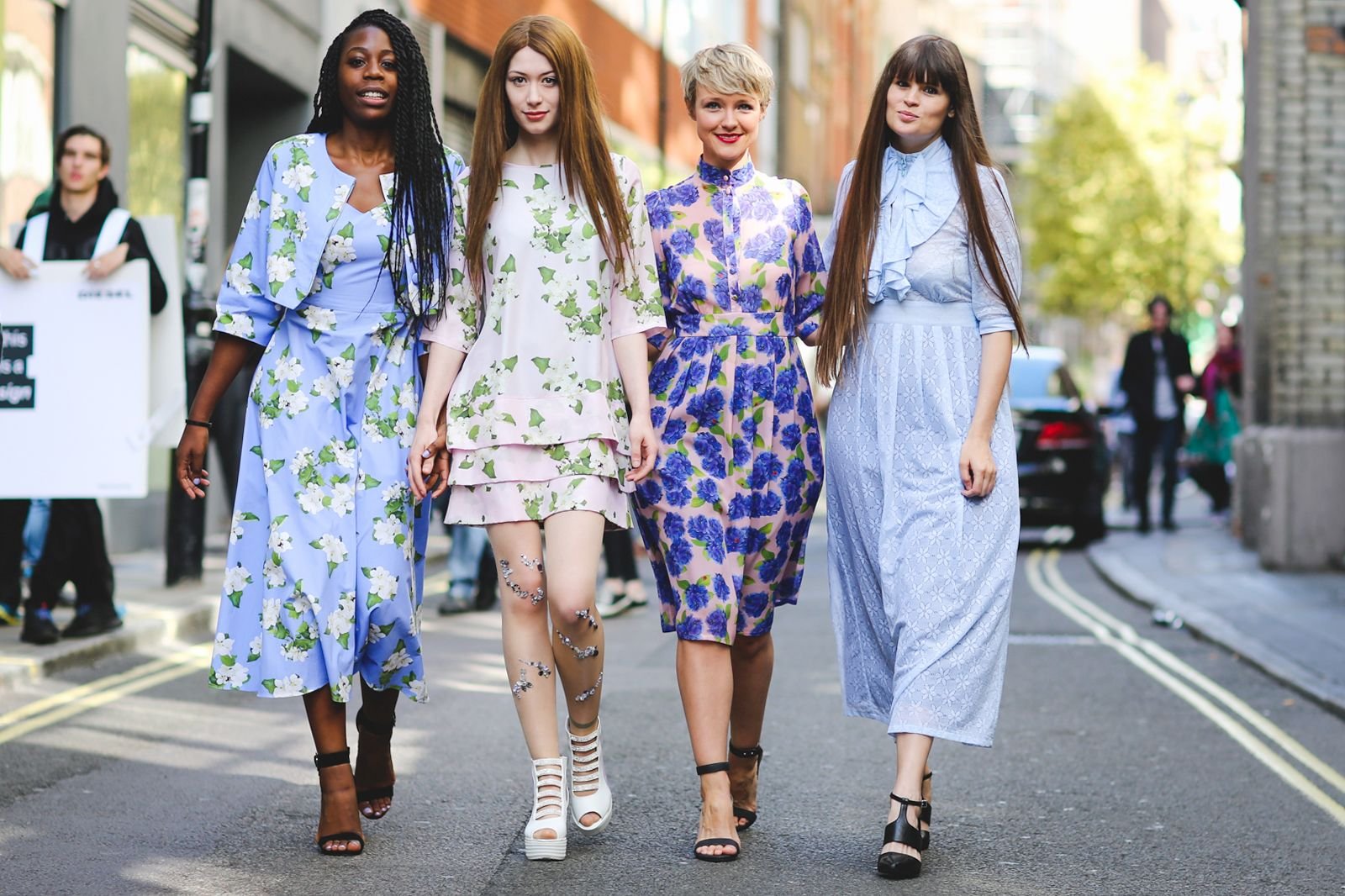
Getting dressed for the British seasons can be surprisingly tricky. A mild morning can turn into a wet afternoon, while a sunny spring day can still feel cold once the temperature drops in the evening. Choosing the right fabric often makes more difference than simply adding another layer.
That matters when choosing Italian clothes, especially if you want pieces that can be worn for more than a few weeks of the year. Fabric weight, breathability, fit and layering potential all affect how comfortable an outfit feels.
You don’t necessarily need four completely different wardrobes either. A lightweight dress that works on its own during summer may still be useful in early autumn with a cardigan, tights or jacket.
The practical approach is to choose fabrics according to the weather, then adjust the layers and fit to suit the season.
Spring and Summer: Choose Lighter, Breathable Fabrics
Spring weather in the UK can change quickly. It might be cool enough for a jacket in the morning but mild enough for short sleeves later in the day. Lightweight layers make these changes much easier to deal with.
Cotton is a useful option during spring because it comes in many different weights. A cotton shirt, for example, can be worn underneath a light jacket on cooler days and on its own when temperatures rise.
Linen becomes particularly useful as the weather gets warmer. It is generally breathable and has a relaxed appearance, making it well suited to loose trousers, shirts, skirts and summer dresses. The obvious drawback is creasing. If you prefer a smoother finish, a linen blend may be easier to manage, although its performance will depend on what the linen has been blended with.
For an everyday spring outfit, you could wear straight-leg trousers with a cotton shirt and light jacket. On warmer days, wide-leg trousers with a simple top can provide more room for movement without making the outfit complicated.
Once summer arrives, fabric weight and fit become even more important. Clothing that leaves some space between the fabric and your skin can often feel more comfortable than something very close-fitting, particularly when you’re walking or travelling.
Loose-fitting made in italy clothes may suit this type of dressing, but it’s still important to check the fabric label. A Made in Italy label tells you about origin; it doesn’t automatically mean a garment is lightweight, breathable or suitable for hot weather.
For warmer days, practical combinations include a loose midi dress with flat sandals, linen trousers with a cotton top, or a lightweight skirt with a relaxed blouse. A thin cardigan or jacket can be useful if you’ll be outside later in the evening.
When choosing womens dresses for summer, look beyond colour and length. Check the fabric composition, lining and overall cut. A heavily lined dress may feel warmer than expected, while a very fitted style can become uncomfortable during a long day.
You don’t have to choose oversized clothing to stay comfortable. A dress with a softly defined waist and enough room through the hips and underarms can provide shape without restricting movement.
One common summer mistake is assuming that anything loose will automatically feel cool. A loose garment made from a dense, less breathable fabric can still trap heat. Fabric composition, construction and weight should be considered alongside fit.
Autumn and Winter: Think About Warmth and Layers
Autumn is when versatile clothing becomes particularly useful. Temperatures can vary considerably throughout the day, so several manageable layers often work better than one very heavy garment.
A fine knit underneath a jacket or coat gives you more flexibility than wearing your thickest jumper from the start. If you become too warm indoors, you can remove the outer layer without having to rethink the whole outfit.
A midi dress can also continue working beyond summer. Add a cardigan, ankle boots and a light coat during early autumn. As temperatures fall, tights and warmer outerwear can make the same type of outfit suitable for colder conditions.
Proportion is worth considering when you layer Italian clothes. If you’re wearing wide-leg trousers, a slightly neater top or knit can help create balance. If the dress itself is loose, a shorter jacket or more structured outer layer can give the outfit some definition.
These aren’t rules that everyone needs to follow. They’re simply useful options when an outfit feels too bulky or shapeless.
During winter, warmth becomes the priority. Wool is commonly used for cold-weather clothing because its fibres provide useful insulation. You’ll often find it in coats, knitwear, scarves and trousers. Wool blends can also be practical, although their warmth and feel will depend on the fibre percentages and how the fabric has been made.
Rather than relying on one extremely thick piece, think in layers. A comfortable winter outfit might combine a base layer, fine knit and weather-appropriate coat. This gives you more control when moving between cold outdoor conditions and heated shops, workplaces or public transport.
Good winter combinations can be kept simple: wool-blend trousers with a fine knit and coat, straight-leg jeans with a jumper and warm outer layer, or a knitted dress with tights and boots.
This flexibility is useful with italian clothing that has a relaxed fit. If there is enough room underneath a dress, blouse or jacket, you can introduce extra layers without making movement uncomfortable.
Don’t forget rain and wind either. A warm fabric isn’t necessarily weatherproof. On wet or windy days, the outermost layer needs to suit the actual conditions rather than simply looking appropriate for winter.
How to Choose the Right Fabric and Fit
The fabric composition label is one of the most useful things to check before buying clothing. Two garments can look almost identical in photographs yet feel very different when worn.
Don’t judge a garment solely by whether its fibres are natural or synthetic. Cotton, linen and wool can all be useful, but the weight, weave, lining and construction matter too. Synthetic fibres also have practical uses, including adding stretch, durability or easier care to certain garments.
Think about when and how you’ll actually wear the piece.
For warmer months, lighter cotton and linen can be sensible choices when breathability matters. Fine knits work well during transitional periods, while wool and suitable wool blends become more useful when insulation is needed.
Lining deserves attention too. It can improve the way some garments hang and feel, but it can also add warmth. That’s useful in winter and potentially less comfortable during hot weather.
Fit should be considered alongside fabric.
You should be able to sit, walk and move comfortably in everyday clothing. If you’re buying something for work or a full day out, try to think beyond how it looks while you’re standing still. Tightness around the shoulders, waist, hips or arms can become much more noticeable after several hours.
Body shape guides can provide ideas, but they shouldn’t dictate what you wear. Instead, think about the proportions you personally like. Someone who enjoys a defined silhouette might prefer wide trousers with a more fitted top. Someone who values a relaxed fit might choose a loose dress and add subtle shape through the jacket or accessories.
When browsing a clothes shop uk online, check the garment measurements rather than relying entirely on the size shown on the label. Sizing can vary between styles and manufacturers. Fabric composition, stretch, garment measurements and care instructions can give you a clearer idea of how practical something will be.
Care requirements matter as well. If something needs specialist cleaning or careful washing that doesn’t fit your routine, you’re less likely to wear it regularly. Practical clothing needs to work after you’ve bought it too.
Making Your Wardrobe Work Through the Seasons
A useful wardrobe isn’t necessarily a large one. What matters more is having pieces that work with each other and suit the conditions in which you’ll actually wear them.
A cotton shirt can be worn open over a lightweight top in summer and underneath knitwear during cooler months. A midi dress can move from sandals to boots and tights. Lightweight trousers can cover spring and summer, while heavier trousers can take over once temperatures fall.
Before adding something new, ask whether the fabric suits the season, whether you can move comfortably in it and whether it works with clothes you already own. It’s also worth considering whether you can layer it and whether the care instructions are realistic for your routine.
The most practical Italian clothes are often those that don’t depend on one very specific type of weather. Choosing suitable fabrics and leaving enough flexibility for layering can help you get much more use from individual pieces.
British weather will always make dressing slightly unpredictable. Keeping things simple helps: start with the temperature and conditions, choose an appropriate fabric, then think about fit and layers.
That’s usually more useful than dressing according to the season written on the calendar. If the clothes feel comfortable, allow you to move normally and can adapt when the weather changes, they’re much more likely to earn their place in your everyday wardrobe.