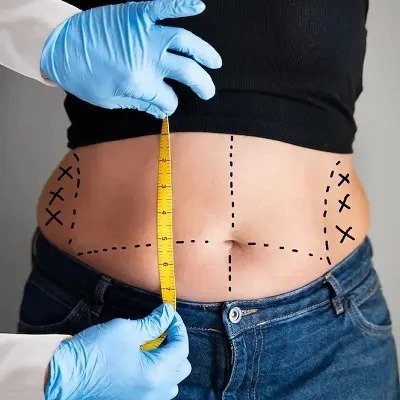
Obesity can affect much more than appearance. Excess body weight may contribute to problems such as type 2 diabetes, high blood pressure, sleep apnea, joint discomfort, reduced mobility, and lower quality of life. When diet, exercise, and other weight-management methods have not produced sufficient results, Bariatric Surgery in Islamabad may be considered as a medically supervised option for significant and long-term weight management.
Enfield Royal Clinics | Liposuction, Rhinoplasty & Hair Transplant Clinic in Islamabad provides bariatric and weight-loss treatment options with personalized assessment and follow-up care. Its Islamabad location is in F-7 Markaz.
What Is Bariatric Surgery?
Bariatric Surgery refers to a group of surgical procedures designed to help people with obesity achieve substantial weight loss. Depending on the procedure, surgery may reduce the amount of food the stomach can hold, change hunger-related signals, or alter the way food passes through the digestive system.
Unlike a temporary diet program, Bariatric Surgery in Islamabad is a medical procedure that requires careful evaluation before surgery and long-term lifestyle changes afterward. The goal is not simply to reduce weight but also to support better overall health and improve obesity-related conditions.
Why Choose Bariatric Surgery in Islamabad?
Islamabad has experienced medical professionals and modern healthcare facilities offering different approaches to weight management. Choosing the right treatment requires consideration of your BMI, medical history, existing health conditions, previous weight-loss attempts, nutritional needs, and personal goals.
At Enfield Royal Clinic Islamabad, bariatric treatment is presented as an individualized process. The clinic describes preoperative evaluation, nutritional assessment, surgical planning, and postoperative follow-up as important parts of the treatment journey.
Types of Bariatric Surgery
There are several types of Bariatric Surgery. The appropriate procedure depends on the patient’s health, BMI, expectations, and medical assessment.
Gastric Sleeve Surgery
Gastric sleeve surgery, also known as sleeve gastrectomy, reduces the size of the stomach and creates a smaller sleeve-shaped stomach. Because the stomach has less capacity, patients generally feel full after eating smaller portions.
This procedure is commonly used for weight management and may also help improve certain obesity-related health problems.
Gastric Bypass Surgery
Roux-en-Y gastric bypass creates a smaller stomach pouch and changes the route food takes through part of the digestive system. It can support significant weight loss and may have metabolic benefits, particularly for some patients with obesity-related type 2 diabetes.
Mini Gastric Bypass
Mini gastric bypass, also called one-anastomosis gastric bypass, uses a different surgical configuration from traditional gastric bypass. It can help reduce food intake and calorie absorption while providing substantial weight-loss potential.
Gastric Band Surgery
Adjustable gastric band surgery places an adjustable band around the upper part of the stomach. It limits food intake by creating a smaller stomach pouch. However, gastric banding is used less frequently than some other modern bariatric procedures.
Who May Be Suitable for Bariatric Surgery?
Not everyone who wants to lose weight is automatically a candidate for Bariatric Surgery in Islamabad. Eligibility is determined through medical evaluation.
People with a BMI of 40 or above may be considered, while those with a BMI of 35 or above and significant obesity-related health conditions may also qualify. Other factors include previous attempts at weight loss, general health, nutritional status, psychological readiness, and willingness to maintain long-term lifestyle changes.
A qualified surgeon should evaluate each patient individually rather than recommending the same operation to everyone.
Benefits of Bariatric Surgery
The main purpose of Bariatric Surgery is significant weight reduction, but the potential benefits can extend beyond weight loss. Depending on the patient’s circumstances, successful weight management may help improve conditions associated with obesity.
Potential benefits include:
- Significant and sustained weight loss
- Better blood sugar control
- Improvement in high blood pressure
- Reduced symptoms of sleep apnea
- Improved mobility
- Less stress on weight-bearing joints
- Increased physical activity
- Improved quality of life
- Better management of some obesity-related health problems
Results vary between individuals and depend heavily on the selected procedure and commitment to postoperative recommendations.
How Bariatric Surgery Is Performed
Many bariatric procedures are performed using laparoscopic techniques. This involves making several small incisions rather than one large abdominal incision. The exact surgical process depends on the selected procedure.
Before surgery, the patient may undergo medical tests, nutritional evaluation, and other assessments. The surgeon then develops a treatment plan based on the patient’s individual circumstances.
After surgery, patients generally progress gradually from liquids to soft foods and eventually to a balanced diet. Regular follow-up is important to monitor recovery, nutritional status, weight loss, and overall health.
Recovery After Bariatric Surgery
Recovery differs depending on the procedure and the individual’s health. Patients need to follow their surgeon’s instructions carefully during the recovery period.
Light physical activity may be introduced gradually, while strenuous activities and heavy lifting should be avoided until the surgical team confirms that they are safe. Dietary recommendations are particularly important because the stomach can accommodate considerably less food following many bariatric procedures.
Long-term follow-up may also include nutritional monitoring, vitamin and mineral supplementation, exercise guidance, and dietary counseling.
Bariatric Surgery at Enfield Royal Clinic Islamabad
Enfield Royal Clinic Islamabad offers bariatric treatment with an emphasis on individualized care. The clinic identifies laparoscopic procedures, preoperative assessment, nutritional guidance, and postoperative follow-up among its bariatric services.
The clinic lists Dr. Naveed Azhar among its surgeons and describes him as an experienced surgeon involved in bariatric and laparoscopic procedures.
The clinic is located at 3rd Floor, Ammar Center, Block #13-A, College Road, F-7 Markaz, Islamabad.
Conclusion
Bariatric Surgery in Islamabad can be an important option for people struggling with severe obesity when conventional weight-loss methods have not provided adequate results. Procedures such as gastric sleeve, gastric bypass, and mini gastric bypass can support substantial weight loss when combined with appropriate dietary, physical activity, and medical follow-up.