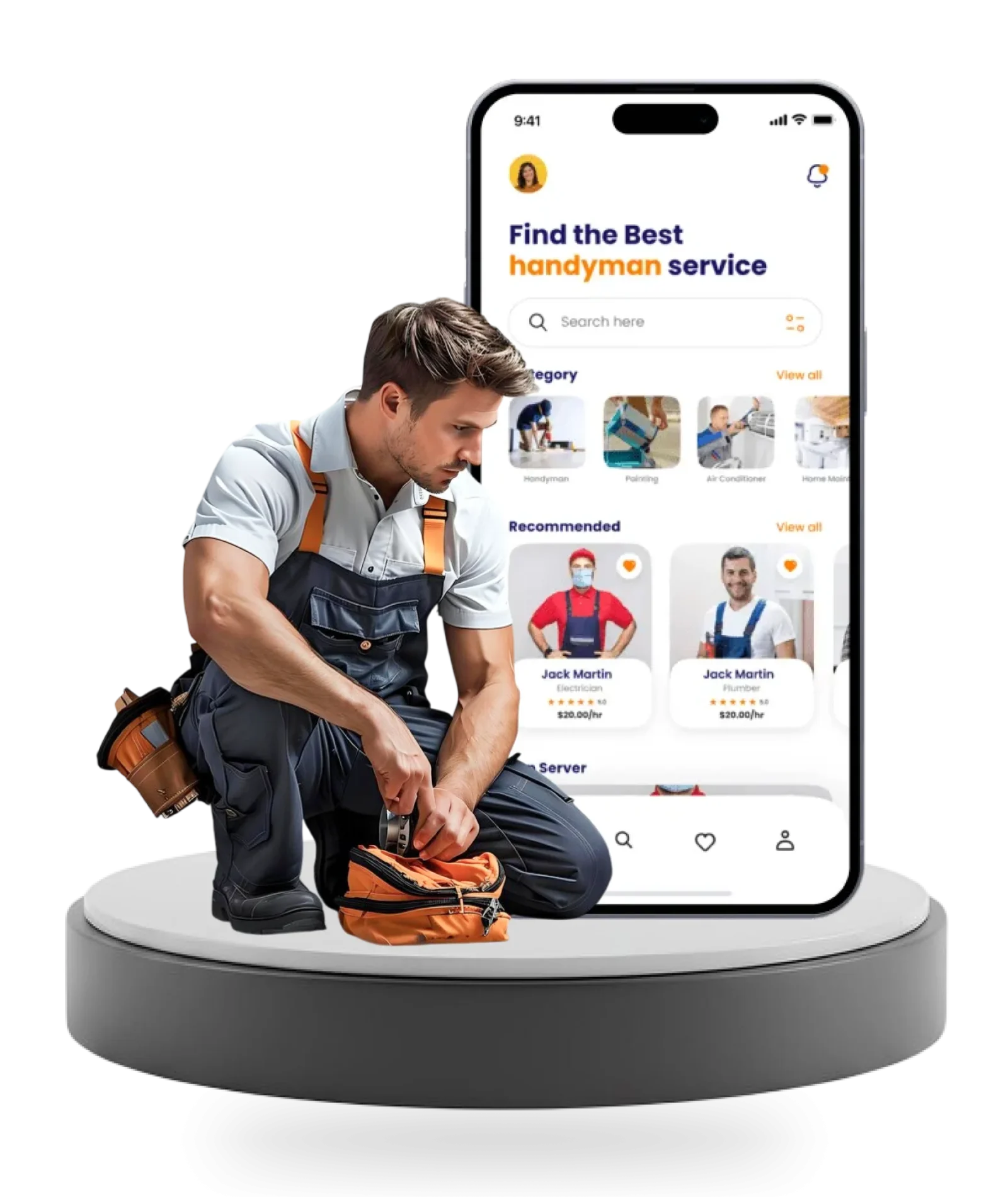
A leaky faucet at midnight, a broken switchboard before guests arrive, or a wobbly cabinet that’s been ignored for months — these are the small home emergencies that used to mean flipping through local directories or asking a neighbour for a “guy who does this.” In 2026, that entire experience has moved to a single tap on a smartphone. The on-demand home services industry has matured from a convenience trend into a genuine consumer expectation, and handyman app development sits right at the center of that shift.
For businesses building or upgrading a handyman platform this year, understanding why the market is moving the way it is matters just as much as the technology itself. Here’s a look at the trends reshaping this space and what they mean for anyone investing in an on-demand handyman app.
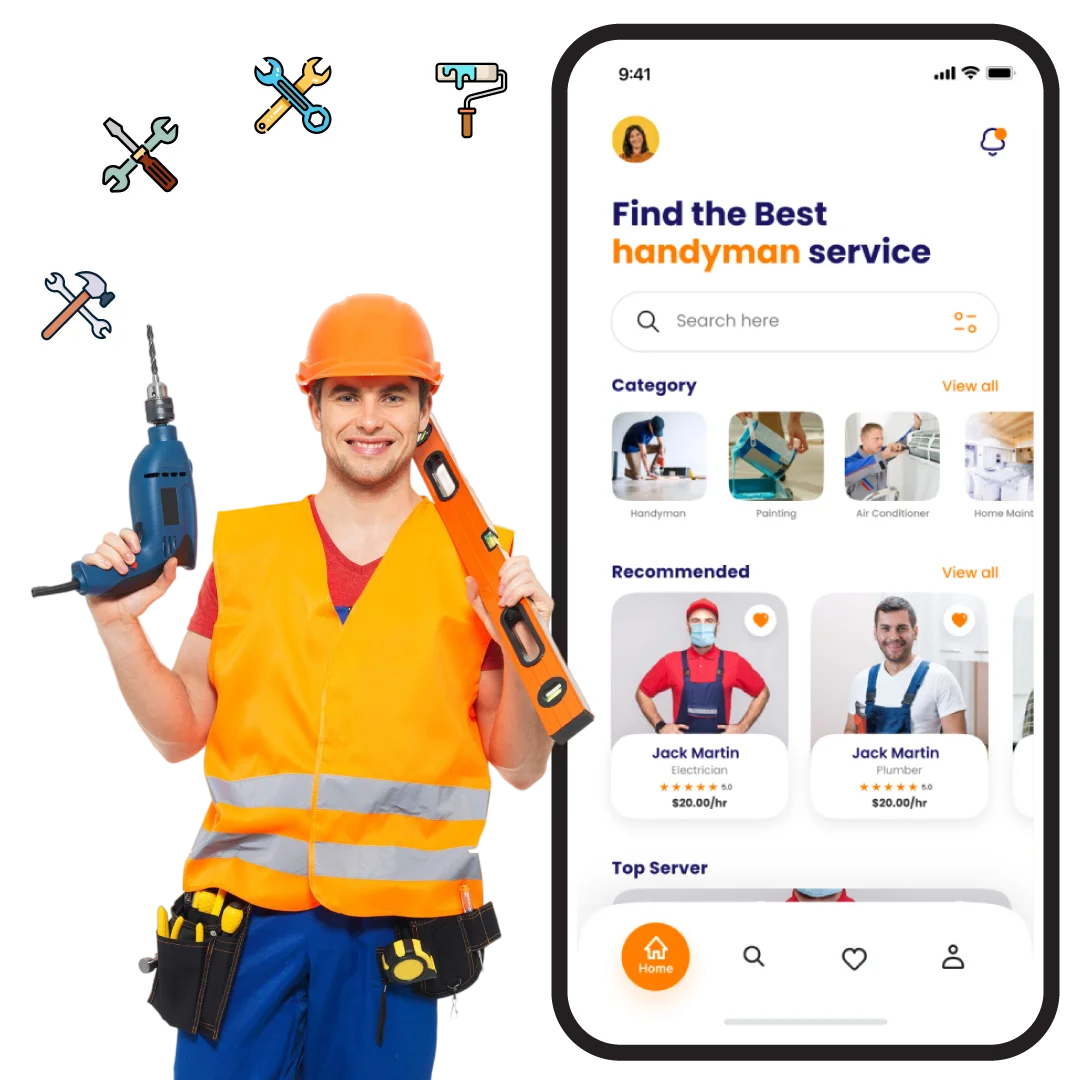
The Home Services Market Has Outgrown “Just an App”
Home services are no longer a niche digital category — they’ve become one of the fastest-growing corners of the on-demand economy. Industry data shows the online home services market climbing steadily year over year, with a growing share of that spend now flowing through mobile-first, app-based platforms rather than phone calls or classified listings. More importantly, user behaviour has changed: people expect real-time booking, live tracking of the professional en route, transparent pricing, and verified reviews before they let a stranger into their home.
This shift in expectations is exactly why a generic booking form no longer cuts it. A modern handyman app needs to feel as responsive and trustworthy as the ride-hailing or food-delivery apps people already use every day.
Key Trends Shaping Handyman App Development in 2026
1. AI-Powered Matching and Scheduling
One of the clearest shifts this year is the move away from simple “browse and book” listings toward AI-assisted matching. Instead of customers scrolling through profiles, smart algorithms now match the right professional to a job based on skill, location, availability, and even past customer ratings for similar tasks. This reduces wait times, improves first-visit fix rates, and cuts down on the back-and-forth that used to frustrate both customers and service providers.
2. Subscription and Preventive Maintenance Models
Handyman platforms are increasingly moving beyond one-off bookings toward subscription-based home maintenance plans. Instead of waiting for something to break, customers can now opt into periodic check-ups — think seasonal AC servicing, plumbing inspections, or electrical safety checks — which creates predictable recurring revenue for the business and builds long-term customer loyalty.
3. Real-Time Tracking and Transparent Pricing
Just like food delivery apps changed customer expectations around order tracking, handyman apps in 2026 are expected to show live technician location, estimated arrival time, and upfront cost estimates before a booking is confirmed. This transparency reduces cancellations and builds the trust needed for customers to let a service provider into their home.
4. Verified Professionals and In-App Trust Signals
Safety and trust remain top priorities for home service apps. Background-verified professionals, in-app ID checks, live chat support, and visible ratings/reviews have become standard features rather than nice-to-haves. Platforms that invest in robust verification workflows tend to see stronger retention, since trust is often the single biggest factor in whether a customer books again.
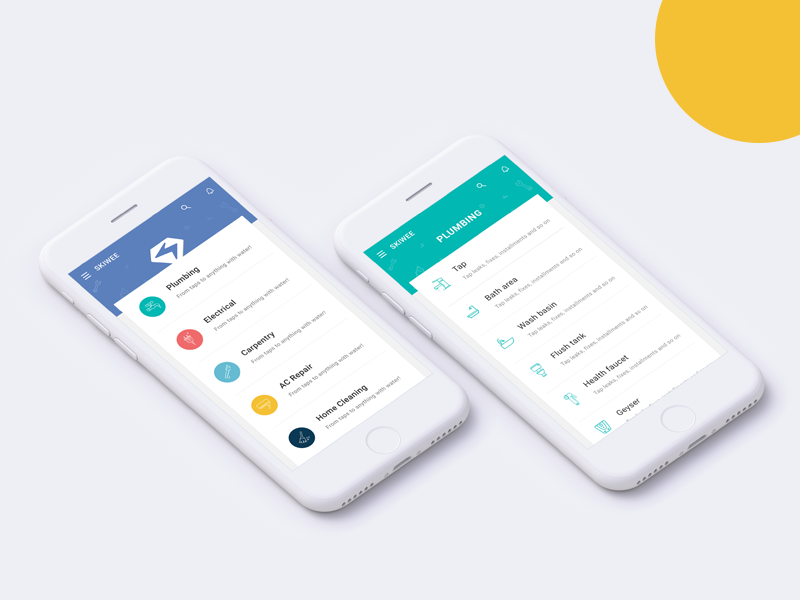
5. Expansion Into Bundled and Cross-Category Services
Handyman apps are no longer limited to just plumbing or electrical work. Many platforms are expanding into bundled service categories — combining handyman work with cleaning, pest control, appliance repair, and even smart-home installation — so customers can manage multiple home needs from a single app rather than downloading several.
6. Smart Home and IoT Integration
As more households adopt smart devices — video doorbells, smart locks, connected thermostats — handyman apps are starting to offer installation and troubleshooting support for these devices as a dedicated service category. Some platforms are even exploring IoT-based diagnostics, where a smart device can flag an issue and automatically suggest booking a technician.
7. Flexible, Gig-Friendly Provider Experience
On the provider side, apps are being designed to give independent technicians more control — flexible working hours, transparent payout structures, and in-app tools to manage their own schedule and earnings. A platform that treats its service providers well tends to retain better talent, which directly improves service quality for end customers.
What This Means for Businesses Building a Handyman App
These trends point to one clear conclusion: a handyman app in 2026 needs to be more than a digital appointment book. It needs real-time logistics, AI-assisted matching, subscription capabilities, strong trust and safety features, and room to expand into adjacent home service categories — all while remaining simple enough for a first-time user to book a repair in under a minute.
Getting this right requires a development partner who understands both the technical complexity (live tracking, secure payments, scalable backend architecture) and the operational nuances of running a two-sided marketplace between customers and service professionals.
Why Choose Web Squalix
At Web Squalix, we build on-demand handyman and home service apps designed around exactly these market shifts — not yesterday’s booking-form model.
Here’s what makes us the right partner for this kind of platform:
- Future-ready architecture — We build apps with AI-based matching, real-time tracking, and subscription billing baked in from the start, so your platform doesn’t need a rebuild as the market evolves.
- Three-sided app expertise — From the customer-facing app to the technician app and the admin dashboard, we design each piece to work seamlessly together.
- Trust and safety by design — Verified onboarding, secure in-app payments, and transparent rating systems are built into the core of every home service app we develop.
- Scalable for growth — Whether you’re launching in one city or planning multi-category expansion, our backend is built to scale without performance issues.
- Transparent development process — Clear timelines, honest communication, and no hidden surprises at any stage of the build.
- Ongoing post-launch support — We stay involved after launch, helping you refine features, add new service categories, and keep the app running smoothly as your user base grows.
The home services industry isn’t slowing down, and neither should your app. If you’re ready to build a handyman platform designed for where the market is heading — not where it used to be — Web Squalix is ready to help you build it.
Have a home services app idea in mind? Let’s turn it into a platform your customers will trust and keep coming back to.