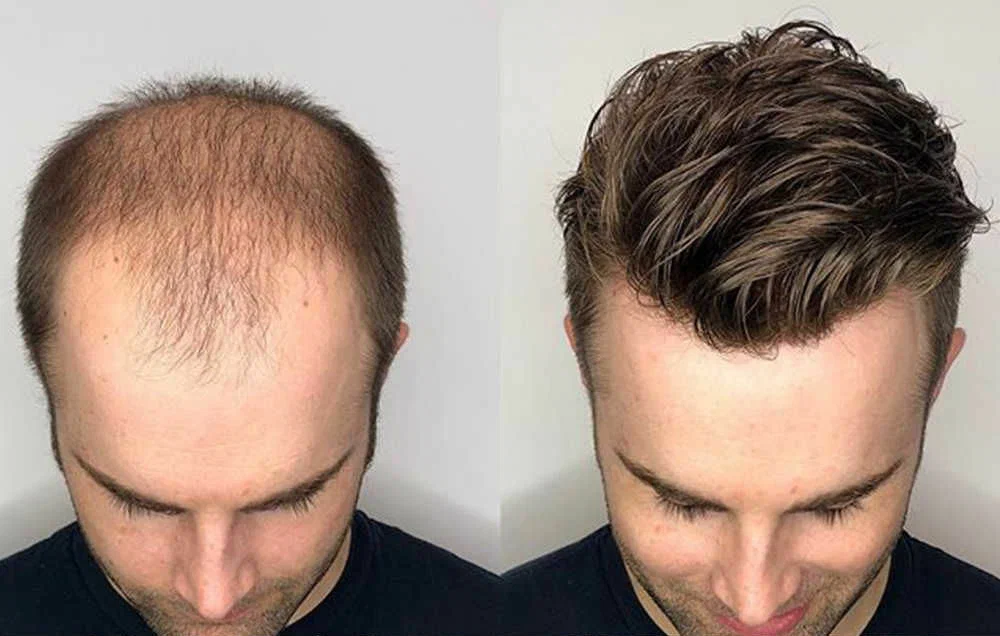
Hair loss affects the majority of men to some degree by middle age. Its impact on confidence, appearance, and self-perception is significant and well-documented. While hair transplant surgery remains an option, it carries costs, risks, and recovery demands. Many men seek effective alternatives that do not require an operating room. Today’s non-surgical options are more effective, accessible, and sophisticated than ever before.
Why Men Are Choosing Non-Surgical Hair Restoration
The appeal of non-surgical approaches is rooted in practical and personal considerations. Surgery requires significant financial investment, often exceeding ten thousand dollars or more. Recovery involves visible scarring, swelling, and restrictions lasting several weeks. Many men cannot accommodate this level of disruption in their professional or family lives.
Beyond logistics, many men simply prefer less invasive approaches to their health. The idea of an awake surgical procedure on the scalp creates understandable anxiety. Non-surgical alternatives have improved to the point where surgery is no longer necessary for many men. The results achievable without an operation are genuinely impressive by modern clinical standards.
The Evolution of Non-Surgical Effectiveness
Non-surgical hair restoration has undergone remarkable development over recent decades. Treatments that were once considered marginally effective have been refined significantly. Clinical evidence supporting their use has grown through rigorous research and long-term studies. Men today benefit from the accumulated knowledge and technological advances of this research.
The combination of multiple complementary treatments has produced particularly impressive results. Individual therapies each contribute meaningfully, and their combined effect is synergistic. A comprehensive non-surgical program developed with expert guidance can rival surgical outcomes. This evolved effectiveness is driving sustained growth in demand among men seeking hair restoration.
Topical and Oral Medical Treatments
Minoxidil is the most widely used topical treatment for male pattern hair loss. Approved by the FDA, it has decades of clinical evidence supporting its effectiveness. Applied daily to the scalp, it extends the growth phase of the hair cycle. Regular use increases follicular blood supply and stimulates the production of thicker strands.
Finasteride is an oral medication that addresses the hormonal root of male pattern hair loss. It inhibits the enzyme that converts testosterone into dihydrotestosterone, or DHT. DHT is the primary hormone responsible for follicle miniaturization in genetically susceptible men. By reducing DHT levels, finasteride effectively slows or halts further hair loss progression.
Combining Topical and Oral Approaches
Combining minoxidil and finasteride produces superior results compared to either treatment alone. Finasteride addresses the hormonal cause while minoxidil supports follicle activity directly. Together, they create a comprehensive medical environment for hair preservation and growth. Men who use both treatments consistently report more significant and durable results.
Recent topical finasteride formulations have also become available for men who prefer them. These allow DHT inhibition at the scalp level with reduced systemic absorption. This approach may lower the risk of systemic side effects while preserving effectiveness. The availability of multiple formulations allows for more personalized treatment planning.
Platelet-Rich Plasma Therapy
Platelet-rich plasma therapy is one of the most exciting advances in non-surgical hair restoration. The patient’s own blood is drawn, processed to concentrate platelets, and injected into the scalp. Growth factors within these platelets stimulate dormant follicles and promote healthier hair production. The use of the body’s own biological material makes it exceptionally well-tolerated.
PRP has demonstrated meaningful effectiveness for androgenetic alopecia in clinical studies. Follicle activity increases, hair density improves, and individual strand quality is enhanced. Multiple sessions are typically performed monthly during the initial phase of treatment. Maintenance sessions every three to six months sustain the benefits over time.
Who Benefits Most From PRP
PRP produces the most significant results in men with early to moderate hair loss. Men with significant remaining follicle activity respond most dramatically to growth factor stimulation. Those with advanced loss and extensive follicle dormancy may see more limited results. A specialist assessment determines whether PRP is an appropriate primary or adjunctive treatment.
Men exploring non-surgical hair replacement often find PRP to be a compelling central component. It addresses both hair density and hair quality simultaneously and effectively. The natural basis of the treatment and its minimal side effect profile make it widely appealing.
Low-Level Laser Therapy
Low-level laser therapy delivers specific wavelengths of light energy directly to the scalp. This energy is absorbed by follicle cells and stimulates mitochondrial activity. Enhanced cellular energy production supports more robust and sustained hair growth. The treatment has received FDA clearance for both male and female pattern hair loss.
Clinical devices used in specialist offices deliver the most powerful therapeutic results. At-home devices, including caps, combs, and helmets, offer convenient daily treatment between appointments. The technology has improved significantly, and modern at-home devices deliver meaningful clinical effectiveness. Consistent use over several months produces the most significant and lasting improvements.
Integrating LLLT Into a Comprehensive Program
LLLT works synergistically with both medical treatments and PRP therapy. It amplifies the benefits of each complementary treatment in a comprehensive program. Men who incorporate LLLT alongside finasteride, minoxidil, and PRP achieve the most comprehensive results. The multi-targeted approach addresses hair loss through several complementary biological mechanisms.
Treatment is comfortable, requires no recovery time, and can fit into any schedule. Sessions last between fifteen and thirty minutes depending on the device used. Compliance is the most significant factor in determining LLLT outcomes over time. Men who use their devices consistently and patiently are rewarded with meaningful progress.
Scalp Micropigmentation as a Non-Surgical Option
Scalp micropigmentation is a specialized cosmetic procedure that creates the illusion of hair density. Tiny pigment deposits are applied to the scalp using precise microneedle techniques. These deposits mimic the appearance of closely cropped hair follicles on the scalp. The result is a visually fuller appearance that significantly reduces the visible impact of hair loss.
This approach is particularly effective for men with diffuse thinning across the scalp. It is also popular among men who prefer a closely shaved aesthetic appearance. While it does not regrow hair, it effectively addresses the cosmetic concern of visible scalp. Combined with active growth treatments, it provides immediate visual enhancement while restoration progresses.
Nutritional and Supplemental Strategies for Hair Health
Nutritional support plays a meaningful role in non-surgical hair restoration programs. Deficiencies in key nutrients directly impair follicle function and hair production quality. Iron, zinc, vitamin D, and biotin are among the most clinically relevant nutrients for hair. Identifying and correcting deficiencies through testing and supplementation supports treatment outcomes.
Protein intake is fundamental to healthy hair production at the follicular level. Hair is composed primarily of keratin, a protein that requires adequate dietary amino acids. Men whose diets are low in protein often experience greater hair loss and slower regrowth. Optimizing protein intake is one of the simplest and most impactful nutritional interventions available.
DHT-Blocking Supplements
Several natural supplements have evidence supporting mild DHT-blocking activity. Saw palmetto is the most studied of these and is frequently included in hair health formulations. Pumpkin seed oil has also demonstrated some promise in small clinical studies. These supplements are not as potent as finasteride but may contribute meaningfully as part of a comprehensive plan.
Men who prefer natural approaches or who cannot tolerate pharmaceutical DHT blockers find these useful. They represent a middle path between no intervention and pharmaceutical treatment. Discussing supplement choices with a specialist ensures they complement other treatments appropriately.
Creating a Personalized Non-Surgical Treatment Plan
The most effective non-surgical programs are individually tailored by qualified specialists. No two men have identical patterns of hair loss, causes, or treatment responses. Comprehensive evaluation including scalp examination, hair analysis, and blood testing guides personalization. This thorough approach ensures each man receives the most appropriate combination of treatments.
A specialist-designed program maximizes the synergistic benefits of multiple combined treatments. It also establishes realistic expectations and an appropriate monitoring schedule. Progress is documented photographically to track objective density changes over time. This accountability structure supports adherence and provides motivation throughout the restoration journey.
Conclusion
Non-surgical hair restoration options for men have never been more effective or more accessible. Medical treatments, PRP, laser therapy, and nutritional support each contribute meaningfully to results. Combining these approaches under specialist guidance produces the most impressive and durable outcomes. Men experiencing hair loss have every reason to explore these advanced and proven alternatives. Beginning with a professional consultation is the most important step toward meaningful restoration.