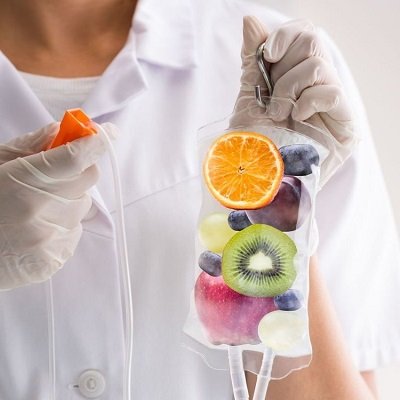
Intravenous, or IV, drips have become increasingly visible in the wellness and healthcare space. They are often promoted for hydration, energy, recovery, immunity, beauty, and general wellbeing. In a city such as Muscat, where hot weather and an active lifestyle can make hydration an important consideration, interest in IV-based treatments can be understandable.
However, choosing an IV drip should involve more than selecting the option with the most attractive name or the longest list of advertised benefits. The Best IV Drips in Muscat are not necessarily the ones making the biggest promises. A more sensible choice depends on the person’s health needs, the ingredients being administered, the reason for treatment, and whether the procedure is medically appropriate.
Understanding what an IV drip can and cannot realistically do helps people make informed decisions. Instead of following wellness trends blindly, readers can look for evidence, qualified medical supervision, appropriate screening, and clear information about potential risks.
What Are IV Drips and Why Are They Popular?
An IV drip delivers fluids, vitamins, minerals, electrolytes, medications, or other medically appropriate substances directly into a vein through an intravenous line. Because the substances enter the bloodstream directly, IV administration can be useful when a person needs rapid fluid replacement or when oral administration is unsuitable.
In medical settings, IV fluids are commonly used for situations such as significant dehydration, certain illnesses, electrolyte disturbances, or when medications need to be administered intravenously. The medical purpose is quite different from some of the broader wellness claims associated with commercial IV treatments.
Wellness-focused IV drips may contain combinations of ingredients such as saline, selected vitamins, electrolytes, or other substances. The exact formulation can vary considerably.
Popularity does not automatically establish effectiveness. An IV drip marketed for energy, glowing skin, detoxification, immunity, or hangover recovery may sound appealing, but each claimed benefit deserves to be considered separately. The important question is not simply whether a particular drip is popular, but whether its ingredients and method of administration make sense for the individual’s actual needs.
Why Hype Can Make IV Drip Choices Difficult
Marketing can make IV treatments appear almost universally beneficial. Words such as “boost,” “detox,” “rejuvenate,” “restore,” and “supercharge” can create the impression that a single treatment can address several unrelated concerns.
That is where consumers should slow down.
A healthy person who is not deficient in a particular vitamin may not necessarily experience a meaningful benefit from receiving a large dose of that vitamin intravenously. Similarly, claims about removing unspecified “toxins” from the body should be viewed carefully because the body already has sophisticated systems, including the liver and kidneys, for processing and eliminating many substances.
Another common issue is the assumption that an IV route automatically makes a treatment more effective than taking something orally. That is not always the case. The appropriate route depends on the substance, the medical situation, absorption, dosage, and the reason it is being used.
A thoughtful approach therefore separates genuine medical applications from broad wellness claims. Instead of asking which drip is trending, a person can ask what problem the treatment is intended to address and whether there is reliable evidence that the proposed ingredients can help.
How to Evaluate the Best IV Drips in Muscat
Anyone comparing IV options can begin with several practical questions.
First, the purpose of the treatment should be clear. Is the goal to address dehydration, support recovery from a particular medical situation, replace an identified deficiency, or pursue a general wellness objective? A specific reason is more useful than choosing a drip simply because its name sounds appealing.
Second, the ingredients should be disclosed. People should know what is being administered, the approximate amounts, and why each component has been included. Vague descriptions make it harder to assess whether a treatment is appropriate.
Third, medical assessment matters. A responsible IV service should not treat every person as though the same formula is suitable for everyone. Medical history, current medications, allergies, existing conditions, hydration status, and other relevant factors can influence whether IV therapy is appropriate.
Fourth, the person administering the treatment should have appropriate medical training and work within applicable healthcare standards. IV insertion is an invasive procedure, even when the treatment itself is marketed as wellness care.
Finally, the treatment should come with realistic expectations. A trustworthy approach should explain both potential benefits and limitations rather than promising dramatic results.
Ingredients Matter More Than the Marketing Name
Two IV drips can have completely different formulations despite being marketed for similar purposes. That makes it important to look beyond names such as “energy,” “beauty,” or “immunity.”
For example, vitamin C may be included in some formulations, while other drips may contain B vitamins, electrolytes, or combinations of nutrients. Whether any of these ingredients are useful depends on the individual and the amount administered.
More is not necessarily better. Some vitamins are water-soluble, but that does not mean extremely high doses are automatically harmless. Other nutrients can accumulate or cause problems when administered inappropriately. Certain medical conditions can also affect how the body handles fluids or specific nutrients.
People should also be cautious about proprietary blends that do not clearly identify their contents. Without knowing exactly what is being administered, it becomes difficult to evaluate potential benefits, interactions, or risks.
The safest approach is to treat an IV formulation as a medical intervention rather than a simple wellness beverage. The ingredients, dosage, route, and individual circumstances all matter.
Safety Should Be Part of the Decision
IV therapy involves inserting a needle or catheter into a vein, so it is not completely risk-free. Minor problems such as bruising, discomfort, swelling, or irritation can occur at the insertion site. In some circumstances, complications such as infection, inflammation of the vein, fluid leakage into surrounding tissue, or allergic reactions can occur.
There can also be risks associated with the substances being administered. Excessive fluid can be problematic for certain people, particularly those with specific heart or kidney conditions. Some vitamins, minerals, or medications can also interact with existing treatments or may be inappropriate for particular medical conditions.
This is why screening is important.
A person should provide accurate information about existing health conditions, allergies, pregnancy or breastfeeding status when relevant, and medications or supplements being used. Even seemingly minor details can matter when determining whether an IV treatment is appropriate.
After treatment, unusual symptoms should not automatically be dismissed as a normal reaction. Significant pain, increasing redness or swelling around the IV site, difficulty breathing, chest discomfort, severe dizziness, or other concerning symptoms warrant prompt medical attention.
Red Flags to Watch for Before Choosing an IV Drip
A little skepticism can protect consumers from making decisions based purely on marketing.
One warning sign is a service that promises to treat a large number of unrelated conditions with one formula. Another is the absence of clear ingredient information. If a provider cannot explain what a drip contains or why each ingredient is included, consumers have less information with which to make a safe decision.
Guaranteed results are another reason to pause. Human responses to treatments vary, and responsible healthcare communication generally avoids promising that everyone will experience the same outcome.
Consumers should also be cautious when there is no meaningful medical screening. An IV treatment should not be treated as completely risk-free simply because it is offered in a wellness setting.
Pressure to purchase frequent treatments can also be concerning. A person should have enough information and time to decide whether ongoing treatment is genuinely necessary.
The strongest choices are usually based on transparent information, individualized assessment, appropriate clinical oversight, and realistic expectations rather than urgency or hype.
How to Make a Smarter IV Drip Decision
Choosing an IV drip can be approached much like choosing any other healthcare service.
Before treatment, a person can write down the main reason for considering an IV drip and discuss it with a qualified healthcare professional. Asking what evidence supports the proposed treatment can also help separate reasonable expectations from exaggerated claims.
It is useful to ask:
-
What exactly is in the IV?
-
Why is each ingredient being administered?
-
Is there a specific deficiency or medical reason for treatment?
-
Are there any known contraindications?
-
Could the ingredients interact with current medications?
-
What side effects or complications are possible?
-
Is the treatment medically supervised?
-
What should a person realistically expect afterward?
These questions do not mean that IV therapy is inherently inappropriate. Rather, they encourage a more informed approach.
For someone experiencing significant dehydration, a known nutrient deficiency, or another condition where intravenous treatment is medically indicated, IV therapy can have an important role. For general wellness, however, the decision should be more carefully considered because evidence and individual circumstances can vary.
The goal should not be to find the most heavily promoted drip. It should be to find an appropriate treatment for a specific need, with safety and evidence taking priority over advertising.
FAQs About IV Drips
1. Are IV drips safe for everyone?
No. IV therapy may be unsuitable for some people depending on their medical history, medications, allergies, kidney or heart function, pregnancy status, and other factors. A qualified healthcare professional should determine whether an IV treatment is appropriate.
2. Do IV drips provide more benefits than oral vitamins?
Not necessarily. IV administration bypasses the digestive system, but that does not automatically make a nutrient more beneficial. The appropriate delivery method depends on the substance and the person’s specific medical needs.
3. How can someone choose the best IV drips in Muscat?
A sensible choice should be based on the reason for treatment, transparent ingredient information, appropriate medical assessment, qualified supervision, safety procedures, and realistic claims. Popularity or promotional language alone should not determine the decision.
4. Can IV drips help with dehydration?
Intravenous fluids can be medically useful for certain cases of dehydration, particularly when rapid fluid replacement is needed or oral fluids are not appropriate. The cause and severity of dehydration should be assessed before treatment.
5. Are vitamin IV drips necessary for healthy people?
Not necessarily. People who have adequate nutrient levels may not gain a significant health advantage from receiving high-dose vitamins intravenously. Nutritional needs are individual, and unnecessary supplementation can sometimes carry risks.
6. What should someone ask before receiving an IV drip?
The person should ask about the ingredients, doses, purpose of each component, possible side effects, contraindications, interactions with medications, qualifications of the medical staff, and what results can realistically be expected.
Read More About IV Drips: https://linkmate.mn.co/posts/can-iv-drips-fit-into-a-weekend-self-care-schedule