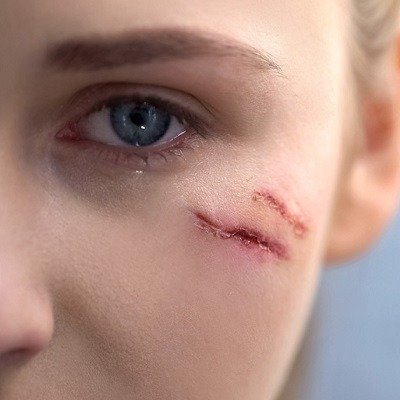
Thick facial scars can develop when the skin produces excess scar tissue during the healing process. These scars may appear raised, firm, uneven, or darker than the surrounding skin. They can form after acne, injuries, burns, or surgical procedures and may remain noticeable even after the original wound has healed. Facial Scar Revision in Dubai may help improve the appearance of selected raised scars by reducing their prominence, refining their shape, or making their texture blend more naturally with nearby skin. The appropriate treatment depends on the type of scar, its thickness, and the individual’s healing history.
Understanding Thick Facial Scars
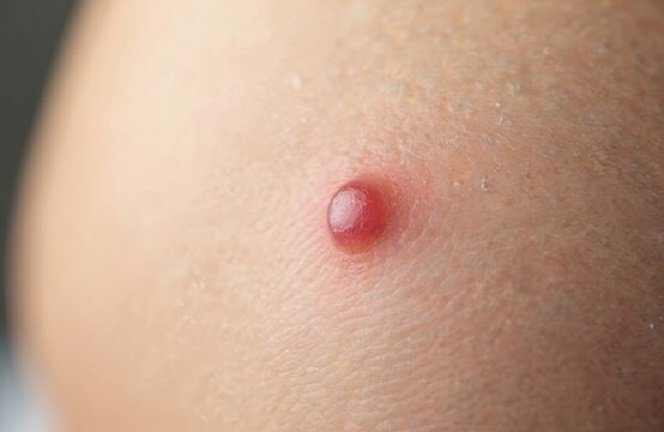
Thick facial scars develop when the body produces collagen as part of the natural healing process. Sometimes, collagen accumulates unevenly, causing the scar to become raised above the skin’s surface. These scars may feel firm and have a different colour or texture from the surrounding area. Their appearance can vary depending on the original injury, skin type, and how the wound healed. Identifying the type of raised scar is an important first step in choosing an appropriate treatment.
How Facial Scar Revision Can Improve Raised Scars
Facial scar revision includes different techniques designed to improve the appearance of scars. Depending on the scar, a practitioner may recommend carefully removing or reshaping scar tissue, improving the edges of a scar, or using another suitable treatment to reduce its visibility. The aim is to create a more balanced appearance rather than eliminate every trace of the scar. The technique must be selected carefully because some raised scars can become more noticeable if treated inappropriately.
Differences Between Hypertrophic Scars and Keloids
Not all thick scars behave in the same way. Hypertrophic scars are raised scars that generally remain within the boundaries of the original wound. They may become flatter over time, although some remain thick or firm. Keloids can grow beyond the original wound’s edges and may continue to enlarge after the skin has healed. This distinction matters because keloids can return or grow after certain surgical procedures. A qualified practitioner should identify the scar type before recommending revision.
Treatment Options for Thick Facial Scars
The best approach depends on the scar’s size, location, thickness, and tendency to return. Possible options may include:
-
Surgical scar revision: Selected scars may be reshaped or removed and the skin carefully closed to improve the scar’s appearance.
-
Corticosteroid injections: These may help soften and flatten certain raised scars by reducing excessive scar tissue activity.
-
Laser treatment: Specific laser techniques may improve scar colour, redness, or texture in suitable cases.
-
Silicone-based products: Silicone gels or sheets may help manage some raised scars when used as directed.
-
Combination treatment: Some scars respond better to a plan that combines more than one approach.
Not every option is suitable for every scar. Treatment selection should account for the risk of recurrence, pigmentation changes, and other possible complications.
Factors That Affect Scar Flattening
The amount of improvement depends on several factors, including the scar’s age, thickness, location, and underlying cause. Newer scars may continue to change naturally as they mature, while older scars may need a more specific treatment plan. Skin tone and a history of dark marks after inflammation can also influence the approach. Scars on areas where the skin is under tension may behave differently from those in less mobile areas. A practitioner can explain what level of improvement is realistic for the individual scar.
Checkpoint: Is Treatment Appropriate for a Thick Scar?
Before choosing facial scar revision, several factors should be reviewed:
-
The scar is fully healed, without an open wound or active infection.
-
The scar type has been identified as accurately as possible.
-
The scar’s thickness, firmness, colour, and growth pattern have been assessed.
-
Any history of keloids or abnormal wound healing has been discussed.
-
Previous treatments and their results have been reviewed.
-
The individual understands the potential risks and the possibility of recurrence.
-
A suitable aftercare plan is available.
These considerations help guide treatment decisions, but only an individual assessment can establish whether a particular procedure is appropriate.
Recovery and Aftercare for Raised Scar Treatment
Recovery varies according to the treatment used. Surgical revision may involve temporary swelling, redness, tenderness, and a period of wound care. Non-surgical treatments may require several sessions and can also cause temporary irritation or changes in skin colour. Following the practitioner’s instructions helps protect the treated area while it heals. Patients may be advised to avoid picking at the skin, use suitable sun protection, and attend follow-up appointments. The timing of further treatment should be determined by the practitioner rather than based on appearance alone.
Reducing the Risk of a Thick Scar Returning
Some raised scars can recur after treatment, particularly when a person has a history of keloids. For this reason, scar management may require more than one treatment or continued monitoring. A practitioner may recommend follow-up injections, silicone-based products, or other measures depending on the scar type and response. Protecting healing skin from excessive sun exposure can also help reduce the risk of persistent discolouration. No method can guarantee that a thick scar will remain flat permanently.
Professional Scar Assessment at Dynamic Life Clinic
At Dynamic Life Clinic, individuals concerned about thick facial scars can discuss their goals and learn about potential treatment approaches. A proper assessment should examine whether the scar is hypertrophic, a keloid, or another type of raised scar. The practitioner can also review medical history, previous treatments, skin characteristics, and the likelihood of recurrence. This information helps determine whether surgical revision, a non-surgical option, or a combination of treatments may be more appropriate.
Frequently Asked Questions
Can Facial Scar Revision Completely Flatten a Thick Scar?
Facial scar revision may reduce the height and visibility of some thick scars, but complete flattening cannot be guaranteed. The outcome depends on the scar type, its size, and the chosen treatment. Some scars may remain slightly raised or develop new thickening during healing.
Are Keloids Suitable for Surgical Scar Revision?
Keloids require particular care because they can grow beyond the original wound and may return after surgery. Surgical removal alone is not always recommended. A practitioner may consider other treatments or a combination approach after evaluating the keloid and the individual’s history.
How Long Does It Take to See Improvement in a Raised Scar?
The timeline varies by treatment. Some non-surgical approaches require multiple sessions, while surgical revision needs time for the wound and scar to mature. Redness and firmness can continue to change over several months, so the final appearance may not be clear immediately.
Can Laser Treatment Flatten Every Thick Facial Scar?
Laser treatment may improve selected scar features, such as redness, surface texture, or thickness, but it does not work equally well for every raised scar. The appropriate laser and treatment plan depend on the scar’s characteristics and the person’s skin type.
Can Thick Facial Scars Become Raised Again After Treatment?
Yes, some scars can become raised again, particularly keloids and scars in people prone to excessive scar formation. Follow-up care and additional treatment may help manage recurrence, but results vary. The practitioner should explain this possibility before treatment begins.
Conclusion
Facial scar revision may help flatten selected thick facial scars and make them less noticeable. The best approach depends on whether the scar is hypertrophic, a keloid, or another type of raised scar, along with its age, location, and healing history. A professional assessment helps identify suitable options, establish realistic expectations, and reduce avoidable risks during treatment and recovery.