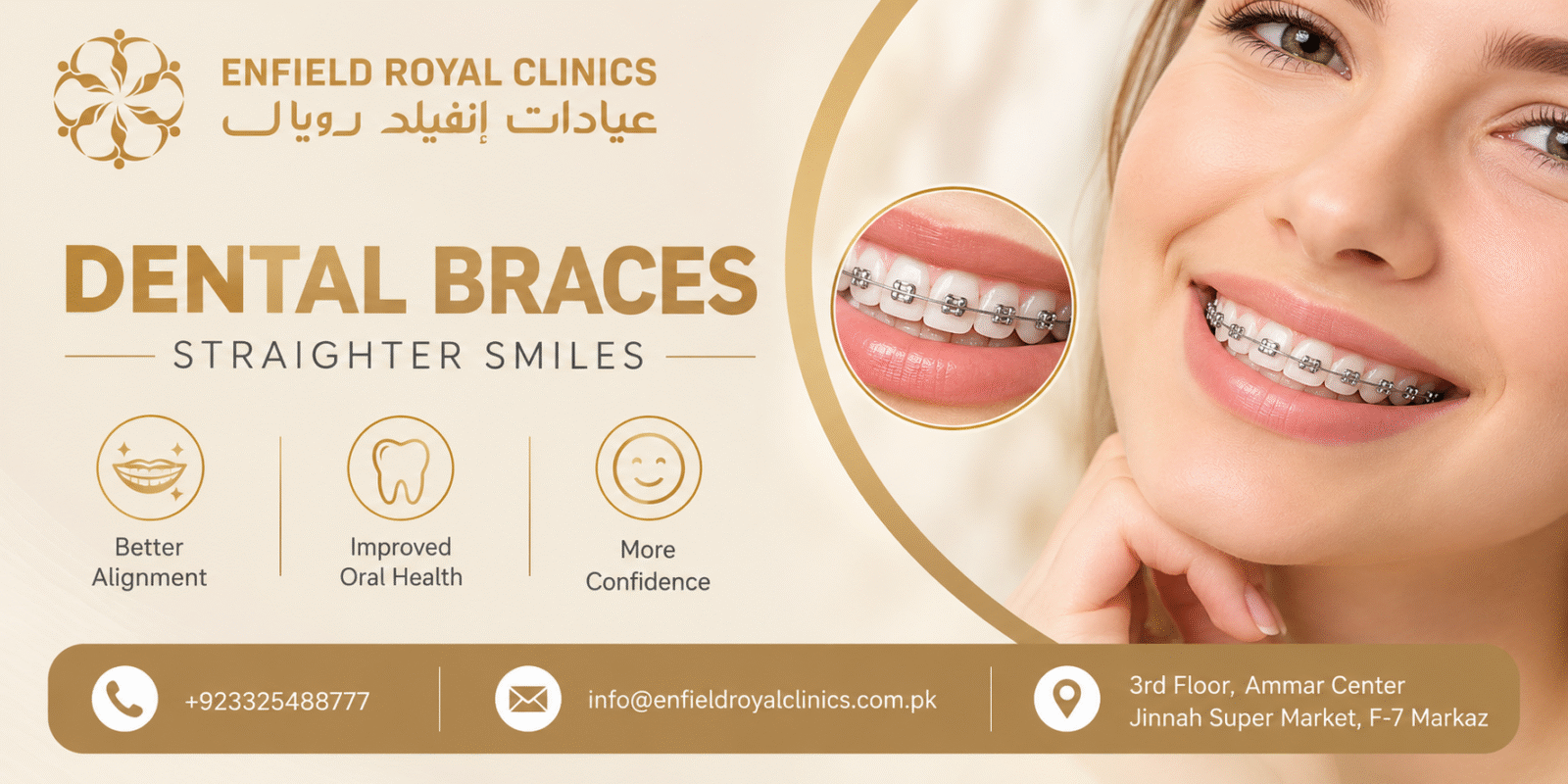
Patients considering Dental Braces in Islamabad often want to understand how frequently they need appointments and why these visits matter. The appointment schedule can vary depending on the type of braces, the patient’s dental condition, and the progress of treatment. Understanding the importance of regular visits can help patients prepare for a smoother and more successful orthodontic experience.
1. Why Are Regular Dental Braces Visits Important?
Dental braces gradually move teeth by applying controlled pressure. This process takes time because the surrounding bone and supporting tissues need to adapt as teeth change position. Regular visits help ensure that this movement is progressing safely and according to the treatment plan.
During appointments, the orthodontic professional checks whether the brackets, wires, and other components are working correctly. Adjustments may be required to maintain appropriate pressure and guide the teeth toward their planned positions.
These visits also help identify issues such as loose brackets, damaged wires, gum irritation, or unexpected tooth movement. Addressing these concerns early can prevent unnecessary discomfort and treatment delays.
For patients receiving Dental Braces in Islamabad, regular appointments provide an opportunity to discuss changes, ask questions, and receive guidance about oral hygiene and daily care.
2. How Often Should Patients Visit During Braces Treatment?
Most patients with traditional braces require follow-up appointments approximately every four to eight weeks. However, this is only a general timeframe. Some patients may need more frequent visits, while others may be able to wait longer between adjustments.
The appointment schedule depends on several factors:
-
Type of braces: Traditional metal braces, ceramic braces, and self-ligating systems may have different monitoring requirements.
-
Treatment complexity: Patients with significant crowding, bite problems, or complicated tooth movements may require closer monitoring.
-
Treatment progress: Appointment frequency may change as the teeth respond to orthodontic pressure.
-
Oral health: Gum inflammation, cavities, or other dental concerns may require additional attention.
-
Appliance condition: Loose brackets, broken wires, or other problems may require an appointment before the next scheduled visit.
The orthodontic professional establishes a suitable schedule based on the patient’s individual needs. Following that schedule helps keep treatment organized and allows necessary adjustments to happen at the right time.
3. What Happens During a Regular Braces Appointment?
A routine orthodontic appointment usually involves checking the teeth, gums, and braces to evaluate treatment progress. The process is generally straightforward, although the exact steps depend on the patient’s condition and the type of appliance being used.
Common parts of a follow-up visit include:
Checking tooth movement: The orthodontic professional examines whether the teeth are moving according to the planned direction and whether the bite is improving.
Inspecting brackets and wires: Each component is checked for damage, looseness, or signs of wear that could affect treatment.
Adjusting orthodontic wires: Traditional braces may require wire changes or adjustments to continue guiding tooth movement. The type of adjustment depends on the treatment stage.
Changing elastic bands: If the braces use elastic ligatures, these may be replaced during the appointment. Patients who wear removable or interarch elastics may also receive updated instructions.
Reviewing oral hygiene: The patient may receive advice about brushing, flossing, and cleaning areas where food particles collect around brackets.
These appointments help ensure that Dental Braces in Islamabad continue working effectively while allowing the treatment plan to be updated when necessary.
4. What Happens If Patients Miss Their Orthodontic Appointments?
Missing an occasional appointment may not cause an immediate problem, but repeatedly delaying follow-up visits can affect treatment progress.
Braces work through carefully controlled forces. If adjustments are delayed, the teeth may not move as expected, and certain problems could remain unnoticed. A loose bracket or damaged wire may also interfere with the appliance’s function.
Possible consequences of missed appointments include:
-
Delayed orthodontic progress
-
Longer overall treatment duration
-
Unnoticed damage to brackets or wires
-
Reduced control over planned tooth movement
-
Increased risk of oral hygiene problems if concerns are not addressed
Patients should contact their orthodontic provider if they cannot attend a scheduled appointment. Rescheduling promptly is generally better than leaving a long gap between visits.
It is also important to understand that patients should never try to tighten wires, adjust brackets, or change orthodontic components themselves. These procedures require appropriate professional assessment.
5. Are Emergency Visits Sometimes Necessary?
Although most braces appointments are planned in advance, certain situations may require an additional visit. Orthodontic appliances can occasionally cause problems between routine appointments.
Common reasons for an unscheduled visit include:
-
A bracket becoming loose or detached
-
A wire breaking or bending
-
A wire poking the cheek or gums
-
An orthodontic band becoming loose
-
Persistent discomfort that does not improve
-
An appliance causing an injury inside the mouth
A small amount of pressure or tenderness after an adjustment is common and usually improves within a few days. However, severe pain, swelling, bleeding, or signs of infection should not be ignored.
If a wire is irritating the cheek, orthodontic wax may provide temporary protection while the patient contacts the orthodontic provider. A loose bracket should also be reported so that the professional can determine whether it needs repair.
Patients receiving Dental Braces in Islamabad should keep their orthodontic contact information available in case an appliance problem develops.
6. How Can Patients Make the Most of Their Braces Appointments?
Regular visits are more effective when patients take an active role in their orthodontic care. Good preparation can help appointments run smoothly and ensure that important concerns are discussed.
Some helpful habits include:
-
Brushing and flossing before appointments whenever possible.
-
Informing the orthodontic professional about pain, irritation, or changes in the bite.
-
Reporting loose brackets or damaged wires promptly.
-
Following instructions about rubber bands and other orthodontic appliances.
-
Maintaining a balanced diet and avoiding foods that can damage braces.
-
Attending scheduled appointments consistently.
-
Asking questions if any part of the treatment plan is unclear.
Patients should also continue routine dental checkups and professional cleaning when recommended. Orthodontic appointments focus on tooth movement and appliance function, while general dental care helps maintain the health of the teeth and gums.
After braces are removed, regular care remains important. Most patients need retainers to help keep their teeth in their new positions. Follow-up appointments may also be recommended to monitor retention and long-term stability.
Frequently Asked Questions
1. How Often Are Dental Braces Adjusted?
Traditional braces are commonly checked and adjusted every four to eight weeks. However, the exact schedule depends on the patient’s treatment needs, appliance type, and progress.
2. Are Regular Visits Necessary With Dental Braces?
Yes. Regular appointments allow the orthodontic professional to monitor tooth movement, inspect brackets and wires, make adjustments, and address problems before they affect treatment.
3. What Happens If a Patient Misses a Braces Appointment?
Missing an appointment may delay necessary adjustments and extend treatment time. Patients should contact their orthodontic provider to arrange another appointment as soon as possible.
4. Do Braces Appointments Cause Pain?
Most routine appointments cause mild pressure or temporary tenderness rather than significant pain. Some patients experience sensitivity for a few days after adjustments, which generally improves gradually.
5. Can Patients Visit Between Scheduled Appointments?
Yes. An additional visit may be necessary if a bracket becomes loose, a wire breaks, or the appliance causes persistent irritation. Patients should contact their orthodontic provider for advice.
6. Are Regular Visits Needed After Braces Are Removed?
Yes. After treatment, patients usually need retainers to maintain their results. Follow-up visits help assess whether the teeth remain stable and whether the retainer fits correctly.