Unwanted pests can turn a comfortable home or productive workplace into an unpleasant environment. Ants, cockroaches, rodents, termites, mosquitoes, and other insects can enter buildings in search of food, water, and shelter. Once they become established, they may contaminate surfaces, damage belongings, and create health concerns for occupants. Pest control services help property owners identify infestations, manage existing pest activity, and reduce the conditions that attract insects and rodents. With proper inspections, suitable treatments, and regular prevention, homeowners and business managers can maintain cleaner and more comfortable properties.
Why Professional Pest Management Matters
Pests can cause problems that extend beyond inconvenience. Cockroaches may contaminate food preparation areas, rodents can chew electrical wires and damage stored materials, and termites may weaken wooden structures. Mosquitoes and other biting insects can make indoor and outdoor spaces uncomfortable. Some pests may also carry disease-causing organisms or trigger allergic reactions.
A small infestation can become more difficult to manage when pests spread into concealed areas. Rodents may establish nests inside walls or ceilings, while insects can hide behind appliances, beneath cabinets, and around plumbing fixtures. Professional pest control services in Riverside focuses on identifying the source of the problem and selecting methods suited to the pest species. Addressing an infestation early can help reduce property damage and limit the need for more extensive treatment later.
Common Pests Found in Properties
Different buildings experience different pest problems depending on their location, structure, and maintenance conditions. Ants commonly enter kitchens and storage areas because they are attracted to food particles. Cockroaches prefer warm, dark, and damp spaces, including drains, cabinets, and areas behind appliances. Rats and mice may enter through small openings and establish nests in garages, basements, storage rooms, or ceiling spaces.
Other pests need specialized attention. Termites feed on materials containing cellulose and can damage furniture, flooring, and building components. Bed bugs may spread through luggage, mattresses, and used furniture. Mosquitoes often breed in standing water, while flies are attracted to exposed food and waste. Correctly identifying the pest is an important first step because different species require different treatment methods.
Warning Signs of a Pest Infestation
Many infestations begin quietly, so property owners may not recognize the problem immediately. Small droppings, damaged food packaging, unusual odors, scratching sounds, and repeated insect sightings can indicate pest activity. Ant trails near kitchen cabinets or cockroaches appearing at night may suggest an established infestation.
Some pests leave signs that are harder to identify. Termites may create mud tubes, hollow-sounding wood, or discarded wings near windows and doors. Rodents can leave gnaw marks on furniture, packaging, and electrical cables. Bed bugs may leave dark spots, shed skins, or small eggs around mattress seams and furniture joints. If these signs continue to appear, an inspection can help determine the source and identify the affected areas.
How Professional Pest Treatments Work
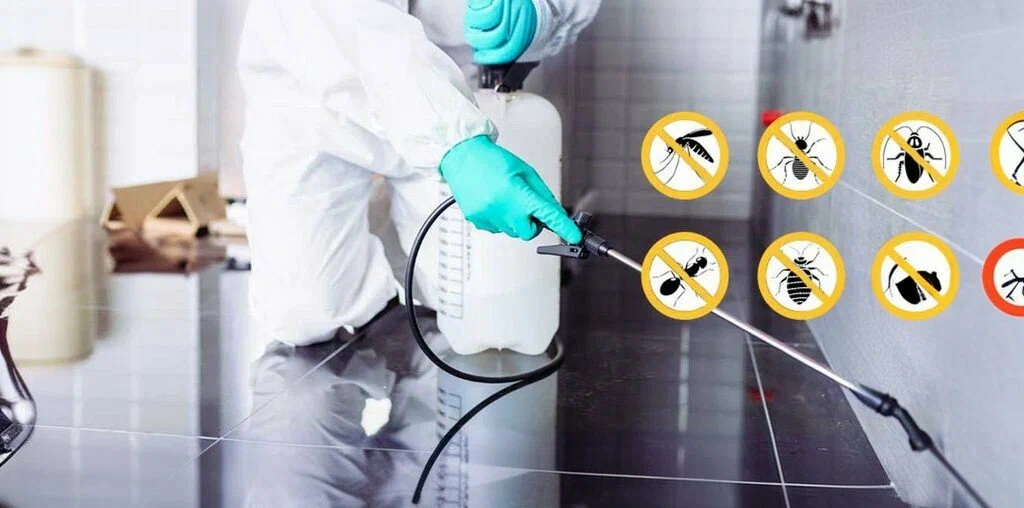
Effective treatment usually begins with a property inspection. A technician examines common hiding places, possible entry points, moisture sources, and areas where food or waste may attract pests. Depending on the suspected infestation, the inspection may include kitchens, bathrooms, storage rooms, basements, garages, utility areas, and exterior spaces.
After identifying the pest and assessing the situation, the technician recommends an appropriate treatment plan. Methods may include targeted applications, traps, bait stations, monitoring devices, or physical barriers. The selected approach should match the pest species, infestation level, and property conditions. Reliable pest control services also include clear instructions about preparation, ventilation, restricted areas, and safety precautions after treatment.
Protecting Kitchens and Food Storage Areas
Kitchens and food storage spaces are common locations for pest activity because they provide easy access to food and water. Crumbs, uncovered food, spills, and overflowing rubbish bins can attract ants, cockroaches, and rodents. Even small amounts of food left beneath appliances may encourage pests to return.
Store dry food in sealed containers and clean countertops, floors, and cooking surfaces regularly. Empty rubbish bins frequently and keep their lids closed. Check beneath refrigerators, ovens, and cabinets for food residue or signs of insects. Repair leaking taps and pipes to reduce moisture around sinks and storage areas. These simple habits support professional treatments and make the property less attractive to common household pests.
Safe and Suitable Treatment Methods
Not every infestation requires the same treatment. The most appropriate method depends on the pest species, the size of the affected area, and the needs of the people using the property. Depending on the circumstances, professionals may recommend traps, bait stations, targeted applications, monitoring systems, or exclusion methods.
Integrated pest management combines inspection, sanitation, monitoring, and suitable treatments to reduce pest activity while avoiding unnecessary chemical use. Before treatment begins, inform the provider about children, pets, aquariums, food preparation areas, and other relevant conditions. Products must be applied according to their labels and applicable safety requirements. Follow instructions about leaving treated areas, ventilation, cleaning, and when normal activities can resume.
Preventing Pests From Returning
Removing visible pests does not always solve the underlying problem. If insects and rodents still have access to food, moisture, and shelter, they may return after treatment. Prevention should therefore remain part of regular property maintenance.
Inspect doors, windows, screens, and exterior walls for gaps that may allow pests to enter. Seal suitable openings around pipes and utility lines, repair damaged screens, and install door sweeps where needed. Keep rubbish in covered containers and remove unnecessary clutter from storage areas. Trim vegetation that touches exterior walls and remove standing water from outdoor containers. Consistent cleaning and timely repairs can strengthen the results of professional pest control services and reduce the risk of recurring infestations.
Choosing the Right Pest Control Provider
Selecting a suitable provider requires more than comparing prices. Look for a company that identifies the pest correctly, explains its inspection findings, and recommends a treatment plan based on the actual problem. Ask about technician training, relevant licensing or certification requirements, products used, safety procedures, and follow-up inspections.
Request a written estimate before confirming the service. It should explain which areas will be treated, what methods are included, and whether additional visits involve extra charges. A dependable provider should also explain what results are realistic and what property owners can do to support the treatment. Be cautious of claims that promise permanent elimination from a single visit because outcomes depend on the pest species, infestation level, and property conditions.
Understanding Pest Treatment Costs
The cost of treatment depends on several factors, including property size, pest species, infestation severity, accessibility, and the methods required. A small ant problem in one room may need less work than a widespread rodent infestation or termite activity affecting wooden structures. Specialized treatments and follow-up appointments may also influence the final price.
Some properties require a one-time treatment, while others benefit from scheduled inspections and ongoing monitoring. Before agreeing to a service, ask for a clear estimate that explains inspection fees, treatment costs, and any additional charges. When comparing pest control services, consider the inspection process, treatment plan, safety measures, and follow-up support rather than choosing only the lowest quote.
Maintain a Cleaner and More Comfortable Property
Keeping a property free from pests requires attention to both existing infestations and the conditions that attract unwanted insects and rodents. Regular cleaning, proper food storage, moisture control, and timely repairs can help reduce common pest problems. Recognizing early warning signs also allows property owners to respond before an infestation spreads.
Professional pest control services provide additional support through inspections, targeted treatments, and practical prevention advice. Whether the concern involves ants, cockroaches, termites, rodents, bed bugs, or mosquitoes, the right approach begins with identifying the pest and understanding the property. By combining professional assistance with consistent maintenance, homeowners and business owners can protect their spaces and maintain a cleaner, safer, and more comfortable environment.