


Facial treatments are most effective when the skin is thoroughly prepared. Some procedures enhance structure and volume, while others improve surface texture. Addressing both delivers balanced, refined results. Combining exfoliation with volume enhancement is essential.
Dermaplaning treatment is an effective method for improving skin surface quality with minimal downtime. When combined with cheek augmentation, it enhances structural changes and achieves results that structural procedures alone cannot provide.
What Happens During Dermaplaning
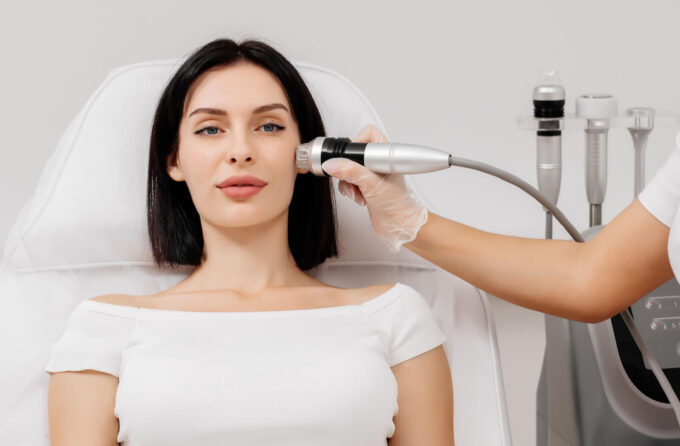
A trained professional uses a sterile blade to gently remove dead skin cells and fine hair. This precise, non-invasive process requires no recovery time and leaves skin smoother and brighter.
A key benefit of dermaplaning is improved product absorption. Dead skin cells and fine hair prevent serums and moisturisers from reaching deeper layers. Removing this barrier allows active ingredients to penetrate more effectively. Smoother skin also reflects light more evenly, creating a visible glow.
Dermaplaning reduces minor texture irregularities. While it does not address deeper concerns, it visibly improves surface quality and enhances facial contours.
What Cheek Augmentation Actually Addresses
With age, midface fat pads diminish, causing the cheekbones to lose projection and the skin to sag, resulting in a flatter, more tired appearance. Cheek augmentation restores volume, lifts contours, and returns lost definition.
Cheek augmentation is typically performed with dermal fillers injected beneath the skin to improve contour and symmetry. The goal is to restore balance and proportion, not to alter facial identity. Subtle enhancements generally provide a more refreshed appearance than dramatic changes.
Fuller cheekbones change how light falls across the face. The highlights and shadows from a more defined midface add dimension and vitality. However, volume alone does not determine the final result. The skin covering that structure plays an equally important role in shaping the outcome.
Why Skin Texture Matters in Cheek Enhancement
Volume beneath the skin is less effective if the surface is dull, rough, or covered in fine hair. Dead skin and vellus hair scatter light unevenly, reducing the definition created by augmentation. The contours are present but less visible.
This area is where surface-level treatments play a supporting role. By improving skin texture, the contours created underneath become more visible. Light reflects more evenly on smoother skin, which helps highlight the cheek structure in a subtle way.
Dermaplaning refines the skin’s outer layer, making augmentation results more apparent.
Sequencing the Two Treatments Correctly
The order of these treatments affects the outcome. Dermaplaning is typically performed before cheek augmentation, allowing the practitioner to better assess facial structure and determine volume placement. Alternatively, dermaplaning may be scheduled several weeks after augmentation, once the skin has healed, to maintain texture and prolong results. Timing is customised based on individual skin conditions and recommended intervals.
It is important not to combine both treatments on the same day. Freshly exfoliated skin is more sensitive, and immediate injection after dermaplaning increases the risk of irritation. A gap of at least weeks is generally recommended, though the duration may vary depending on skin type and the specific products used.
A Balanced Approach to Facial Aesthetics
Effective facial treatments address multiple layers of the face. Dermaplaning targets the surface, while cheek augmentation addresses the deeper layers.
This layered approach distinguishes a good result from a great one. Volume without surface refinement can appear heavy, while surface refinement without volume can look flat. Combining both creates a naturally healthy appearance rather than an obviously treated one.
Clinics with a comprehensive approach, such as the Skinwood Clinic, address the skin holistically rather than as isolated issues. Integrating volume, texture, tone, and contour ensures cohesive results.
For those considering cheek augmentation in Mumbai, adding dermaplaning to the treatment plan is worth discussing with a qualified practitioner. This combination addresses both the structural and surface dimensions of the face, resulting in a more refined and lasting outcome. Cheek fillers in Mumbai are increasingly popular for restoring midface volume, and pairing them with regular exfoliation helps maintain optimal skin condition, allowing results to be clearly showcased.
Final Thoughts
Cheek augmentation restores midface volume lost to time or genetics. Dermaplaning maintains the skin surface for optimal results. Each treatment is most effective as part of a comprehensive plan.
The most important step is to work with a practitioner who understands how these treatments interact and can sequence them to suit the individual. Skin type, existing concerns, and the specific products used all influence the treatment plan. With this framework established, the outcomes are apparent.















Leave a comment