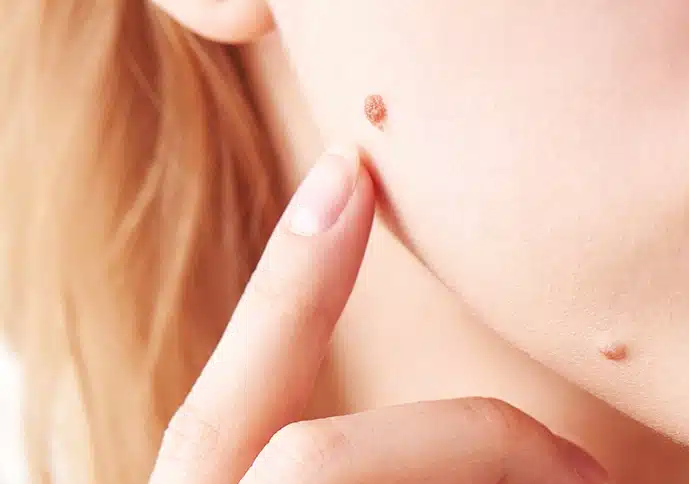
Dermatologists diagnose stubborn warts by examining the affected skin, reviewing the patient’s medical history, and assessing how the growth has responded to previous treatments. Persistent warts may be thicker, larger, painful, or more difficult to distinguish from other skin conditions. In many cases, a physical examination is sufficient, but additional tests may be recommended when the diagnosis is uncertain or the growth has unusual features. Individuals considering إزالة الثآليل في دبي should seek a professional assessment before treatment to identify the cause of the growth and determine the most appropriate approach.
What Makes a Wart Difficult to Treat?
Stubborn warts are growths that persist despite treatment or repeatedly return after appearing to improve. They are commonly associated with certain types of human papillomavirus (HPV), which infects the outer layer of the skin.
Several factors can contribute to persistence. Warts on the soles of the feet may become covered by thick skin, making treatment more challenging. Multiple warts can also develop close together, while some lesions may extend deeper into thickened skin. In other cases, treatment may have been insufficient, or the growth may not have been a wart in the first place.
People with weakened immune systems may be more likely to develop persistent or widespread warts. Identifying these factors helps a dermatologist decide whether further investigation or a different treatment approach is needed.
How Does a Dermatologist Examine a Stubborn Wart?
The diagnostic process usually begins with a detailed discussion of the growth’s history. The dermatologist may ask when it first appeared, whether it has changed in size or colour, and whether it causes pain, itching, bleeding, or other symptoms.
The clinician will also ask which treatments have already been tried, how long they were used, and whether the wart improved or returned. This information helps distinguish a genuinely treatment-resistant wart from one that has not yet received an adequate course of treatment.
During the physical examination, the dermatologist assesses the growth’s size, surface, shape, colour, and location. Typical warts may have a rough surface and tiny dark dots representing small blood vessels. Plantar warts can interrupt the natural skin lines on the soles of the feet and may cause discomfort when pressure is applied.
The dermatologist may examine nearby skin to check for additional warts or signs of spreading.
Can Dermoscopy Help Diagnose Persistent Warts?
Yes. Dermoscopy is a non-invasive examination technique that uses a specialised magnifying instrument to reveal details that may not be visible to the naked eye.
A dermatologist may use dermoscopy to examine the surface pattern and tiny blood vessels within a growth. These findings can support the diagnosis of a wart and help distinguish it from certain conditions, such as calluses or corns.
However, dermoscopy does not always provide a definitive answer. If the lesion has an unusual appearance or the findings remain unclear, the dermatologist may recommend additional assessment.
When Is a Skin Biopsy Necessary?
A skin biopsy may be recommended when a persistent growth does not look like a typical wart, repeatedly bleeds, changes rapidly, ulcerates, or fails to respond to appropriate treatment.
During a biopsy, a clinician removes a small sample of tissue for examination under a microscope. This can help determine whether the growth is a wart or another skin condition. In selected cases, it may help identify conditions that require a different treatment approach, including certain skin cancers.
A biopsy is not necessary for every stubborn wart. The dermatologist decides whether it is appropriate based on the clinical examination and the patient’s circumstances.
Patients should not assume that a growth is harmless simply because it resembles a wart. Unexplained changes deserve professional evaluation before further removal attempts.
How Do Dermatologists Distinguish Stubborn Warts From Other Skin Conditions?
Several conditions can resemble warts, so careful diagnosis is important.
Corns and calluses: These are areas of thickened skin that often develop from repeated pressure or friction. They may be particularly difficult to distinguish from plantar warts.
Skin tags: These are generally soft growths that may hang from the skin on a narrow stalk, unlike the typical rough surface of a common wart.
Seborrhoeic keratoses: These benign growths may have a raised, rough, or waxy appearance that can resemble a wart.
Other skin lesions: Certain inflammatory conditions and, occasionally, skin cancers can mimic warts. Rapid growth, irregular colour changes, persistent ulceration, or spontaneous bleeding should prompt medical assessment.
The dermatologist considers the lesion’s appearance, location, history, and any additional test results before reaching a diagnosis.
What Happens After the Diagnosis?
Once the dermatologist confirms that the growth is a wart, the treatment plan is based on its type, location, size, and response to previous care.
Options may include salicylic acid preparations, cryotherapy using liquid nitrogen, or other clinician-directed treatments. More resistant warts may require a different approach or a combination of methods. Facial and genital lesions need particular care because of their sensitive location and the possibility of other diagnoses.
Treatment may take several sessions, and recurrence is possible. The dermatologist should explain expected results, potential side effects, and the importance of follow-up.
Patients with diabetes, poor circulation, reduced sensation, or a weakened immune system should seek professional guidance before attempting treatment at home. They should avoid cutting or burning a stubborn growth themselves.
Frequently Asked Questions:
Why does my wart keep coming back?
Warts can recur because the virus may remain in nearby skin even after the visible growth has been treated. The original diagnosis or treatment approach may also need to be reviewed.
Do stubborn warts always require a biopsy?
No. Many persistent warts can still be diagnosed through examination. A biopsy is considered when the appearance is unusual, the diagnosis is uncertain, or concerning changes occur.
Can a dermatologist diagnose a wart without laboratory testing?
Yes. Most typical warts are diagnosed through medical history and physical examination. Additional tests are reserved for selected cases.
Are stubborn warts dangerous?
Most ordinary warts are benign. However, a growth that changes rapidly, bleeds spontaneously, ulcerates, or does not heal should be assessed to rule out other conditions.
Should I continue using home treatments on a stubborn wart?
Seek medical advice if treatment has not worked or the diagnosis is uncertain. Avoid home removal methods on the face, genital area, or skin affected by circulation or sensation problems unless specifically advised by a healthcare professional.
Conclusion:
Dermatologists diagnose stubborn warts by reviewing their history, examining their appearance, and assessing previous treatment results. Dermoscopy may provide additional clues, while a skin biopsy can help clarify unusual or uncertain cases. Correct diagnosis is important because some growths resemble warts but require different care. If a lesion persists, repeatedly returns, changes rapidly, bleeds, or becomes painful, professional assessment can help identify the cause and guide an appropriate treatment plan.