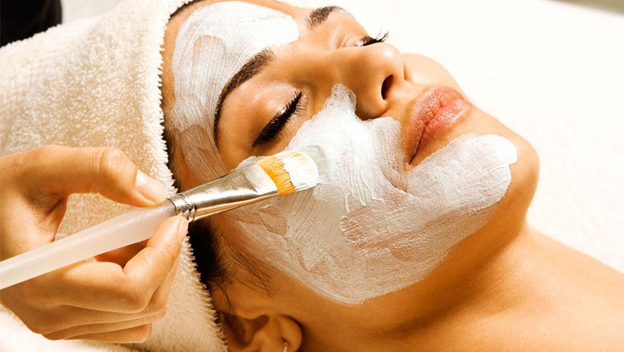
Facial treatments can help remove accumulated dead skin cells through exfoliation, cleansing, and other customised skincare steps. If you are considering Facial Treatment in Dubai, understanding how exfoliation works can help you know why your skin may look smoother, fresher, and more radiant after treatment. Dead skin cells naturally shed from the skin’s surface, but professional facial treatments can help support this process when appropriate.
Why Do Dead Skin Cells Build Up on the Skin?
The outer layer of the skin is constantly renewing itself. Old skin cells naturally reach the surface and are eventually shed as new cells develop underneath.
However, the natural shedding process can vary from person to person. Age, skin type, environmental exposure, dryness, and skincare habits may affect how quickly dead cells are removed.
When dead skin cells accumulate on the surface, the skin may appear dull, rough, uneven, or dry. Buildup can also contribute to clogged pores when combined with excess oil and other debris.
What Is Exfoliation?
Exfoliation is the process of removing dead skin cells from the outermost layer of the skin.
Facial treatments may include different forms of exfoliation depending on the person’s skin type and treatment goals. Some methods physically loosen or remove dead cells, while chemical exfoliants use ingredients that help dissolve the connections between surface skin cells.
The purpose is not to remove as much skin as possible. Effective exfoliation should be controlled and appropriate for the condition of the skin.
How Does a Facial Remove Dead Skin Cells?
A professional facial may combine several steps to improve the appearance and feel of the skin.
Cleansing
The treatment usually begins with cleansing to remove makeup, excess oil, dirt, and surface impurities.
Cleansing prepares the skin for subsequent treatment steps and allows the provider to assess the skin more clearly.
Exfoliation
Exfoliation is the main step responsible for removing dead surface skin cells. Depending on the facial, this may involve a gentle exfoliating product, specialised device, or another professional technique.
Standard facials commonly include exfoliation as part of the treatment process.
Extraction
Some facials may include professional extraction of blackheads or whiteheads. This is different from simply exfoliating the surface because the provider is addressing material trapped inside pores.
Extractions should be performed by a trained professional rather than by squeezing or picking the skin at home.
Hydration
After exfoliation, moisturising products, masks, or serums may be applied to support skin comfort and hydration.
This is particularly useful because exfoliation can sometimes leave the skin feeling temporarily dry or sensitive if it is too aggressive.
What Types of Exfoliation Can Be Used?
The appropriate exfoliation method depends on the facial being performed and the condition of the skin.
Physical Exfoliation
Physical exfoliation uses controlled friction or a specialised tool to loosen and remove dead cells from the surface.
Some professional procedures, such as microdermabrasion or dermaplaning, are examples of treatments that exfoliate the outermost layer of the skin.
Chemical Exfoliation
Chemical exfoliation uses ingredients that help loosen dead skin cells.
Alpha hydroxy acids, or AHAs, work mainly on the skin’s surface, while beta hydroxy acids, or BHAs, can also penetrate into pores and help remove oil and dead skin buildup.
The strength and type of exfoliant should be selected according to the person’s skin and treatment goals.
Device-Based Exfoliation
Certain professional facial treatments use specialised devices to exfoliate the skin.
For example, microdermabrasion gently removes the uppermost layer of dead or damaged skin cells and can leave the skin looking smoother and brighter.
Can Removing Dead Skin Cells Make Skin Look Brighter?
Dead skin cells can contribute to a dull-looking complexion. Removing excess surface buildup may reveal newer skin underneath and create a fresher appearance.
This is one reason exfoliation is commonly included in facial treatments designed to improve overall skin appearance.
However, brightness does not mean that the skin should be aggressively exfoliated. Excessive exfoliation can cause irritation, redness, dryness, and other unwanted reactions.
Can Facial Exfoliation Help With Rough Skin?
Yes, appropriate exfoliation can help improve the feel and appearance of rough skin.
When dead cells accumulate unevenly, the skin surface may feel rough or look less smooth. Removing excess buildup can create a more even surface.
Professional facial treatments may therefore be useful for people who notice roughness associated with surface buildup, although the underlying cause of rough skin should also be considered.
Can Exfoliation Help With Clogged Pores?
Dead skin cells can combine with excess oil inside pores and contribute to clogged pores.
Certain exfoliating ingredients, particularly BHAs such as salicylic acid, can help remove dead skin and excess oil from pores.
Some professional facials may also include extractions for blackheads and whiteheads. These should be performed carefully to minimise irritation and the risk of skin damage.
Is Exfoliation Suitable for Every Skin Type?
Not every exfoliation method is appropriate for every person.
People with dry, sensitive, or acne-prone skin may require gentler exfoliation. More aggressive methods can cause irritation, especially when the skin barrier is already compromised.
People with oily or thicker skin may sometimes tolerate different exfoliation approaches, but stronger treatment does not automatically mean better results.
The American Academy of Dermatology recommends choosing an exfoliation method according to skin type and avoiding over-exfoliation.
How Often Should Facial Exfoliation Be Done?
There is no universal schedule for facial exfoliation.
The appropriate frequency depends on the method being used, the strength of the treatment, skin sensitivity, and the individual’s overall skincare routine.
A more aggressive exfoliation method generally needs to be performed less frequently than a gentle one. Repeatedly exfoliating irritated skin can interfere with the skin barrier and cause redness or discomfort.
A professional can recommend an appropriate treatment schedule based on the condition of the skin.
What Happens After Dead Skin Cells Are Removed?
After appropriate exfoliation, the skin may feel smoother and appear more refreshed.
The surface can look more even because accumulated dead cells have been removed. Skincare products may also be easier to apply evenly across a smoother surface.
However, exfoliation does not permanently change the skin. Dead cells will naturally continue to form as part of the normal skin renewal process.
Signs You Should Pay Attention To
Mild temporary redness or sensitivity can occur after some facial treatments, particularly when exfoliation is involved.
However, persistent burning, severe redness, swelling, blistering, significant peeling, or worsening irritation should not be considered a normal reason to continue treatment.
If your skin becomes unusually irritated, stop additional exfoliation and speak with a qualified professional. People with active skin conditions, open wounds, sunburn, or significant inflammation should also seek appropriate advice before undergoing exfoliation.
Checkpoint: Gentle Exfoliation Matters
Removing dead skin cells is not about making the skin feel as polished as possible. The goal is to remove excess buildup without unnecessarily damaging healthy skin.
The right approach depends on skin type, sensitivity, existing skincare products, and the specific concern being treated.
A professional assessment can help determine whether a facial, chemical exfoliation, microdermabrasion, or another treatment is appropriate.
This is particularly important for people with sensitive skin, acne, pigmentation concerns, or a history of irritation after skincare treatments.
Facial Treatment in Dubai
When considering a facial treatment in Dubai, the exfoliation method should be selected according to your skin’s condition and treatment goals.
At Dynamic Life Clinic, facial treatment plans can be tailored around individual concerns such as dullness, dryness, uneven texture, clogged pores, and general skin maintenance.
A personalised approach allows the treatment to focus on the skin’s actual needs rather than applying the same exfoliation method to everyone.
How Can You Care for Skin After Exfoliation?
After a facial treatment, keeping the skincare routine gentle can help support the skin while it recovers.
Important habits include:
- Use a gentle cleanser.
- Apply a suitable moisturiser.
- Avoid aggressive scrubbing.
- Do not pick or peel the skin.
- Follow the provider’s aftercare instructions.
- Avoid immediately combining multiple strong exfoliating products.
- Apply broad-spectrum sunscreen regularly.
Moisturising after exfoliation is particularly important because exfoliation can leave the skin feeling dry. Sun protection is also essential because freshly exfoliated skin should be protected from unnecessary UV exposure.
Conclusion
Facial treatments help remove dead skin cells primarily through controlled exfoliation. Depending on the treatment, this may involve physical exfoliation, chemical exfoliants, specialised devices, or a combination of facial steps.
Removing excess dead skin buildup can help the complexion look smoother, fresher, and more radiant while also supporting cleaner-looking pores and more even skin texture. However, excessive exfoliation can irritate the skin, so the method and frequency should always be matched to individual skin needs.
A professional facial can provide a controlled approach to exfoliation while combining cleansing, hydration, and other skincare steps according to the condition of the skin.
Frequently Asked Questions
1. How do facial treatments remove dead skin cells?
Facial treatments can remove dead skin cells through controlled exfoliation using physical methods, chemical exfoliants, or specialised professional devices.
2. Does exfoliation remove all dead skin cells?
No. The skin naturally continues producing and shedding cells. Exfoliation helps remove excess surface buildup rather than stopping the natural renewal process.
3. Can facial exfoliation make skin smoother?
Yes. Removing accumulated dead skin cells can help create a smoother and more even-looking skin surface.
4. Can exfoliation make dull skin look brighter?
It may. Removing surface buildup can reveal newer skin underneath and give the complexion a fresher appearance.
5. Can facial treatments unclog pores?
Certain facial treatments can help reduce pore buildup through exfoliation and, when appropriate, professional extraction.
6. Is chemical exfoliation better than physical exfoliation?
Neither method is universally better. The appropriate option depends on skin type, sensitivity, the product or procedure being used, and the specific skin concern.
7. Can sensitive skin be exfoliated?
Sensitive skin may be exfoliated with a suitably gentle method, but stronger techniques can cause irritation. Professional guidance may be helpful.
8. How often should I have a facial for exfoliation?
There is no single schedule for everyone. Frequency should depend on the facial type, exfoliation method, skin sensitivity, and individual needs.
9. Can over-exfoliation damage the skin?
Yes. Excessive exfoliation can cause redness, dryness, irritation, and discomfort. The American Academy of Dermatology recommends choosing an exfoliation method appropriate for your skin type.
10. Should I moisturise after exfoliation?
Yes. Applying an appropriate moisturiser after exfoliation can help maintain skin hydration and support the skin barrier.