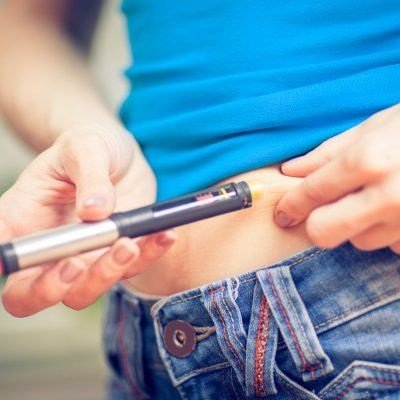
Weight management can be challenging, particularly when hunger, cravings, and difficulty feeling satisfied make traditional lifestyle changes harder to maintain. In recent years, prescription weight loss injections have attracted considerable attention because some of these medicines can influence appetite, food intake, and feelings of fullness.
For people researching Weight Loss Injections in Muscat, understanding how these treatments affect appetite is an important first step. These injections are not simply medications that “burn fat.” Depending on the medicine, they can work through hormone pathways involved in appetite regulation and may help a person feel satisfied with smaller amounts of food. Some also slow the movement of food through the stomach, which can contribute to prolonged fullness.
However, the response is not identical for everyone. Appetite changes can vary according to the medication, dosage, treatment duration, health conditions, eating habits, and individual response. A qualified healthcare professional can determine whether prescription weight management treatment is appropriate and explain what to expect.
How Do Weight Loss Injections Affect Appetite?
Many modern weight management injections belong to a group of medicines that act on hormone pathways involved in blood sugar regulation and appetite. GLP-1 is a naturally occurring hormone that helps regulate blood glucose and also acts in areas of the brain associated with appetite and food intake. Medicines that activate GLP-1 receptors can therefore influence hunger and eating behaviour.
Some treatments work on more than one hormone pathway. For example, tirzepatide activates both GIP and GLP-1 receptors. Its prescribing information explains that it can decrease calorie intake, with the effect likely mediated partly through appetite regulation.
Semaglutide similarly acts on GLP-1 receptors and can decrease calorie intake, with appetite effects playing an important role. It can also delay gastric emptying, meaning food may move more slowly from the stomach.
This combination of effects can change how a person experiences hunger. Someone who previously felt hungry between meals may notice fewer hunger signals, while meals that once seemed small may become more satisfying.
The goal is not necessarily to eliminate hunger completely. Normal hunger is an important biological signal. Instead, appropriate treatment may make appetite easier to manage and help reduce excessive food intake.
What Appetite Changes Can People Expect?
Appetite changes are often one of the most noticeable effects of weight loss injections. Some people describe feeling full sooner during meals, having fewer food cravings, or finding it easier to stop eating when satisfied.
A person may also notice that previously appealing foods seem less tempting. This does not necessarily mean that food becomes unpleasant. Rather, the intensity or frequency of hunger and cravings may change.
The effect can develop gradually. Healthcare professionals commonly use gradual dose adjustments with certain injectable treatments rather than immediately starting at the highest dose. This approach can help the body adjust to the medication and may reduce treatment-related digestive symptoms. For example, FDA information on tirzepatide describes dose increases over time to reach maintenance doses.
Appetite reduction should therefore be viewed as part of a broader weight-management strategy rather than the sole measure of treatment success. Nutrition, physical activity, sleep, behavioural habits, and appropriate medical monitoring remain important.
Why Do Some People Feel Full for Longer?
One reason certain weight loss injections can change eating patterns is their effect on the digestive system.
Some GLP-1-based treatments delay gastric emptying. In simple terms, food can remain in the stomach for longer before moving into the intestine. This may contribute to a longer-lasting feeling of fullness after eating. Semaglutide’s prescribing information specifically describes delayed gastric emptying as one of its pharmacological effects.
At the same time, these medications can influence appetite-related signals in the brain. The result can be a combination of physical fullness and reduced drive to eat.
This is particularly relevant for people who frequently experience strong hunger or difficulty controlling portion sizes. However, appetite suppression should not become an objective in itself. Eating too little can make it difficult to obtain adequate protein, fibre, vitamins, minerals, and other nutrients.
A balanced eating pattern remains important even when appetite is lower.
Common Side Effects and Appetite-Related Changes
Reduced appetite can be an intended effect of treatment, but other digestive changes may occur. Commonly reported effects with medicines in this category include nausea, vomiting, diarrhoea, constipation, indigestion, and abdominal discomfort.
These symptoms may be more noticeable when treatment begins or when the dosage changes. For some individuals, they improve as the body becomes accustomed to the medicine.
Because appetite may decrease substantially, people using these treatments should pay attention to hydration and nutritional intake. Smaller meals may be easier to tolerate than very large meals, particularly if nausea or early fullness occurs.
Persistent vomiting, severe abdominal pain, significant dehydration, or other concerning symptoms should not simply be dismissed as a normal part of weight loss treatment. Medical advice should be sought when symptoms are severe, persistent, or unusual.
It is also important to understand that not every injectable product advertised for weight loss has the same level of evidence, quality control, or regulatory status. The FDA has warned about risks associated with unapproved or improperly compounded GLP-1 products, including dosing errors and quality concerns.
For this reason, individuals considering Weight Loss Injections in Muscat should discuss the specific medication, its source, prescribing requirements, dosage, storage, and monitoring with an appropriately qualified healthcare professional.
Who May Consider Weight Loss Injections?
Prescription weight management medication is generally considered as part of a comprehensive approach for selected people with overweight or obesity. Eligibility depends on the specific medicine, medical history, current health status, and local prescribing requirements.
For example, in the United States, the FDA approved tirzepatide for chronic weight management in adults with obesity or adults with overweight who also have at least one weight-related medical condition, alongside a reduced-calorie diet and increased physical activity.
That does not mean every person seeking weight loss needs an injection. A healthcare professional may first assess weight history, eating patterns, physical activity, existing medical conditions, current medications, and previous attempts at weight management.
Certain situations also require particular caution. Pregnancy, some gastrointestinal conditions, a history of specific endocrine conditions, and certain medications can affect whether a particular treatment is appropriate.
A proper medical assessment is therefore more useful than choosing an injection based solely on social media recommendations or another person’s experience.
What Should People Know Before Starting Treatment in Muscat?
People researching Weight Loss Injections in Muscat may encounter different products, treatment plans, and claims online. The safest approach is to focus on medically appropriate, regulated treatment rather than choosing a product solely because it promises rapid results.
Before starting, it can be helpful to ask:
- What medication is being prescribed?
- What is its approved or intended use?
- How is the dose increased?
- What side effects should be monitored?
- Which symptoms require urgent medical attention?
- How should the injection be stored?
- What happens if a dose is missed?
- What nutritional and lifestyle changes should accompany treatment?
- How will progress be monitored?
Patients should also be cautious about products obtained from unknown online sellers or sources that cannot provide appropriate prescribing and product information. The FDA advises patients using GLP-1 medicines to obtain prescriptions through appropriate healthcare channels and highlights concerns surrounding unapproved products and dosing errors.
Most importantly, weight loss injections should be considered a medical treatment rather than a quick cosmetic solution. Sustainable weight management involves addressing the factors that contribute to excess weight while maintaining adequate nutrition and healthy daily habits.
Frequently Asked Questions
1. Do weight loss injections completely stop hunger?
No. The purpose is not necessarily to eliminate hunger. These medicines can reduce appetite and food intake, and some can increase feelings of fullness. The degree of appetite change varies from person to person.
2. How quickly can appetite changes begin?
The timing varies according to the medication, starting dose, individual response, and treatment schedule. Some people notice changes relatively early, while others experience a more gradual effect. Dose adjustments are generally made according to the prescribed treatment plan rather than trying to achieve maximum appetite suppression immediately.
3. Can someone eat normally while using weight loss injections?
A person can usually continue eating, but appetite and portion sizes may change. Because reduced appetite can make it easier to under-eat, attention should be given to balanced meals, adequate protein, fibre, fluids, and essential nutrients.
4. Are nausea and reduced appetite the same thing?
No. Reduced appetite is an intended effect of many appetite-regulating weight management medicines, whereas nausea is an unwanted side effect. A person can experience one without the other, although both may occur during treatment.
5. Are weight loss injections suitable for everyone?
No. Suitability depends on factors such as weight status, medical history, current medications, pregnancy status, and the specific medicine being considered. A qualified healthcare professional should assess whether treatment is appropriate.
6. Is lifestyle change still necessary with weight loss injections?
Yes. Prescription weight management medicines are generally used alongside healthy eating and physical activity rather than as a replacement for them. FDA guidance describes chronic weight management treatment with medicines such as tirzepatide as being used together with a reduced-calorie diet and increased physical activity.
Weight loss injections can change the way hunger and fullness are experienced, but their effects should be understood within the larger picture of healthy weight management. For individuals considering Weight Loss Injections in Muscat, professional assessment, an appropriate prescription, reliable medication sourcing, and ongoing monitoring can help make treatment more informed and safer.
Read More About Weight Loss Injections: https://linkmate.mn.co/posts/weight-loss-injections-and-constipation-what-to-know