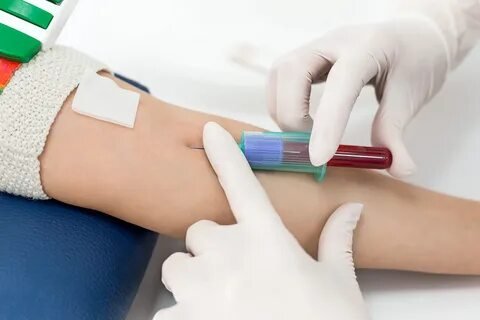
IV drip therapy has become a popular wellness and treatment option for people looking for a convenient way to receive fluids, vitamins, minerals, and other nutrients directly into the bloodstream. With different IV drip packages now available, choosing the right option can sometimes feel confusing. Packages may be marketed for hydration, energy, recovery, immunity, or general wellness, but not every formula is suitable for every person.
Understanding what an IV Drip package contains, how it is administered, and whether it fits an individual’s health needs can help people make more informed decisions. A thoughtful approach is especially important because IV therapy involves placing a needle into a vein and delivering substances directly into the circulation.
What Is an IV Drip?
An IV drip, short for intravenous drip, delivers fluids or other substances directly into a vein through a small catheter. Because the contents enter the bloodstream without passing through the digestive system, the method provides a direct route for administration.
IV drips can contain different combinations of fluids, electrolytes, vitamins, minerals, or medications, depending on the purpose of treatment and the formulation being used. Some are designed primarily to provide hydration, while others may be formulated around particular nutritional or medical needs.
The important point is that an IV drip is not a one-size-fits-all treatment. The appropriate ingredients and amounts can vary based on a person’s health status, symptoms, medications, allergies, and reason for receiving therapy.
For this reason, a package should be evaluated based on its ingredients and suitability rather than simply on a catchy name such as an “energy,” “detox,” or “immunity” drip.
What Should Be Included in an IV Drip Package?
Before selecting an IV drip package, it is useful to understand exactly what the package includes. A reputable service should provide clear information about the formulation rather than leaving the contents vague.
1. A Clear Ingredient List
The first thing to check is the complete list of ingredients. This may include a base fluid along with vitamins, minerals, electrolytes, or other substances.
Knowing the ingredients allows a person to identify potential allergies, interactions, or ingredients that may not be appropriate for certain health conditions. It also makes it easier to compare different IV drip packages based on what they actually contain rather than their marketing descriptions.
2. Appropriate Dosages
The amount of each ingredient matters. More is not automatically better when it comes to vitamins, minerals, or other substances.
A well-designed IV drip package should have clearly defined quantities and should be administered according to appropriate professional guidance. Individuals should be cautious of packages that make broad promises while providing little information about dosage or formulation.
3. A Suitable Base Fluid
Many IV drips use a sterile fluid solution as the foundation of the treatment. The appropriate fluid can depend on the person’s hydration status and overall medical circumstances.
A professional assessment can help determine whether IV fluids are appropriate and which type may be suitable. This is particularly relevant for people with conditions that affect fluid balance.
4. Professional Assessment
A quality IV drip service should not treat every person identically. Before treatment, relevant health information should be reviewed, including current medications, allergies, existing medical conditions, and the reason for seeking IV therapy.
A brief assessment can help identify situations where IV therapy may not be advisable or where a particular formulation needs to be avoided or modified.
How Should People Choose the Right IV Drip?
Choosing an IV drip should begin with the individual’s actual needs rather than the most popular package. Different people may seek IV therapy for different reasons, such as hydration, recovery after physical activity, or nutritional support.
Someone experiencing dehydration may have different needs from someone seeking general wellness support. Similarly, a person taking prescription medications may need additional consideration before receiving certain ingredients.
It is also helpful to consider whether there is a genuine reason to choose an IV route. In some circumstances, oral fluids, food, rest, or conventional medical treatment may be more appropriate. IV therapy should not automatically be considered a superior alternative simply because it delivers substances directly into the bloodstream.
People should also be wary of packages that claim to cure diseases, reverse serious medical conditions, or provide guaranteed results. Such claims can create unrealistic expectations and may distract from treatments that have stronger evidence.
Safety and Quality Are Essential
Because an IV drip involves breaking the skin and accessing a vein, safety and infection control should be major considerations. The procedure should be performed by appropriately trained professionals using sterile equipment and proper infection-prevention practices.
People considering IV therapy can ask how equipment is sterilized or disposed of, whether single-use supplies are used, and what procedures are followed if a complication occurs.
Possible complications can include bruising, discomfort, irritation around the injection site, infection, inflammation of the vein, or fluid leaking into surrounding tissue. Although serious complications are uncommon when appropriate procedures are followed, they are still possible.
An individual should inform the healthcare professional about allergies, medical conditions, pregnancy, medications, and previous reactions to IV treatments before receiving an IV drip.
People with heart, kidney, or other conditions that can affect fluid or electrolyte balance may require particular caution. In such situations, professional medical advice is especially important.
Are IV Drip Packages Worth Considering?
Whether an IV drip package is worthwhile depends on the reason for treatment and the individual’s circumstances. IV therapy can be useful in certain medical settings, particularly when fluids or medications need to be administered intravenously or when a person cannot adequately take fluids by mouth.
However, wellness-oriented IV packages can vary considerably in their evidence and intended purpose. A package may sound appealing because it contains several vitamins or nutrients, but that does not necessarily mean it will produce a noticeable benefit in someone who already receives adequate nutrition.
The cost should also be considered alongside the actual purpose of treatment. Since exact package prices can vary by provider, formulation, location, and additional services, people should compare what is included rather than choosing solely on price.
A sensible approach is to ask whether the treatment has a clearly defined purpose, whether the ingredients are appropriate, and whether there is credible evidence supporting the intended benefit.
Questions to Ask Before Getting an IV Drip
Before booking an IV drip, several practical questions can help a person make a safer and more informed decision:
-
What ingredients are included in the drip?
-
What is the amount of each ingredient?
-
Why are those ingredients being recommended?
-
Who will assess the person’s health history before treatment?
-
What qualifications does the person administering the IV have?
-
What infection-control and sterile procedures are used?
-
Are there any known interactions with current medications?
-
What side effects or complications should be expected?
-
What should someone do if symptoms develop after treatment?
-
Is IV therapy actually appropriate for the individual’s reason for seeking care?
Clear answers to these questions can provide useful insight into the quality and suitability of an IV drip service.
Final Thoughts on Choosing an IV Drip Package
An IV Drip package should be selected thoughtfully rather than based only on attractive marketing or the number of ingredients included. The most important factors are the purpose of treatment, the formulation, appropriate dosages, professional assessment, safety standards, and the individual’s health needs.
IV therapy may have an appropriate role in certain medical and hydration situations, but it is not automatically necessary or more effective than oral nutrition and hydration for everyone. A qualified healthcare professional can help determine whether an IV drip is appropriate and whether a particular formulation makes sense.
Taking time to understand what is being administered can help people avoid unnecessary treatments and choose an option that aligns more closely with their health goals.
FAQs About IV Drip
1. What is an IV Drip used for?
An IV drip is used to deliver fluids, electrolytes, medications, vitamins, or other substances directly into a vein. Its appropriate use depends on the person’s medical or wellness needs and the specific formulation being administered.
2. How long does an IV Drip session take?
The duration can vary depending on the formulation, volume of fluid, administration rate, and individual circumstances. Some sessions may be relatively short, while others can take longer. The administering professional can provide a more accurate estimate before treatment.
3. Are IV Drips safe?
IV drips can be safe when they are medically appropriate and administered by properly trained professionals using appropriate sterile techniques. However, potential risks include bruising, irritation, infection, inflammation of the vein, and other complications. Individual health conditions can also affect suitability.
4. Can everyone receive an IV Drip?
Not necessarily. Certain medical conditions, medications, allergies, pregnancy, or problems affecting fluid and electrolyte balance may require additional assessment. A healthcare professional should review relevant health information before treatment.
5. Do IV Drips provide better nutrition than oral vitamins?
Not automatically. Delivering nutrients intravenously does not mean they will provide greater benefits for every person. The appropriate route depends on the individual’s nutritional status, medical needs, and the specific substance being administered.
6. What should someone check before choosing an IV Drip package?
The person should review the complete ingredient list, dosages, intended purpose, safety procedures, professional qualifications, potential side effects, and whether the treatment is appropriate for their health circumstances. Transparent information is an important part of making an informed choice.
Read More About IV Drip: https://linkmate.mn.co/posts/iv-drip-for-wellness-popular-treatments-explained