

Understanding the healing timeline is the most effective way to prepare for a smooth and stress-free transformation.
Introduction
Navigating the post-operative period requires patience, planning, and a clear understanding of what to expect each week.
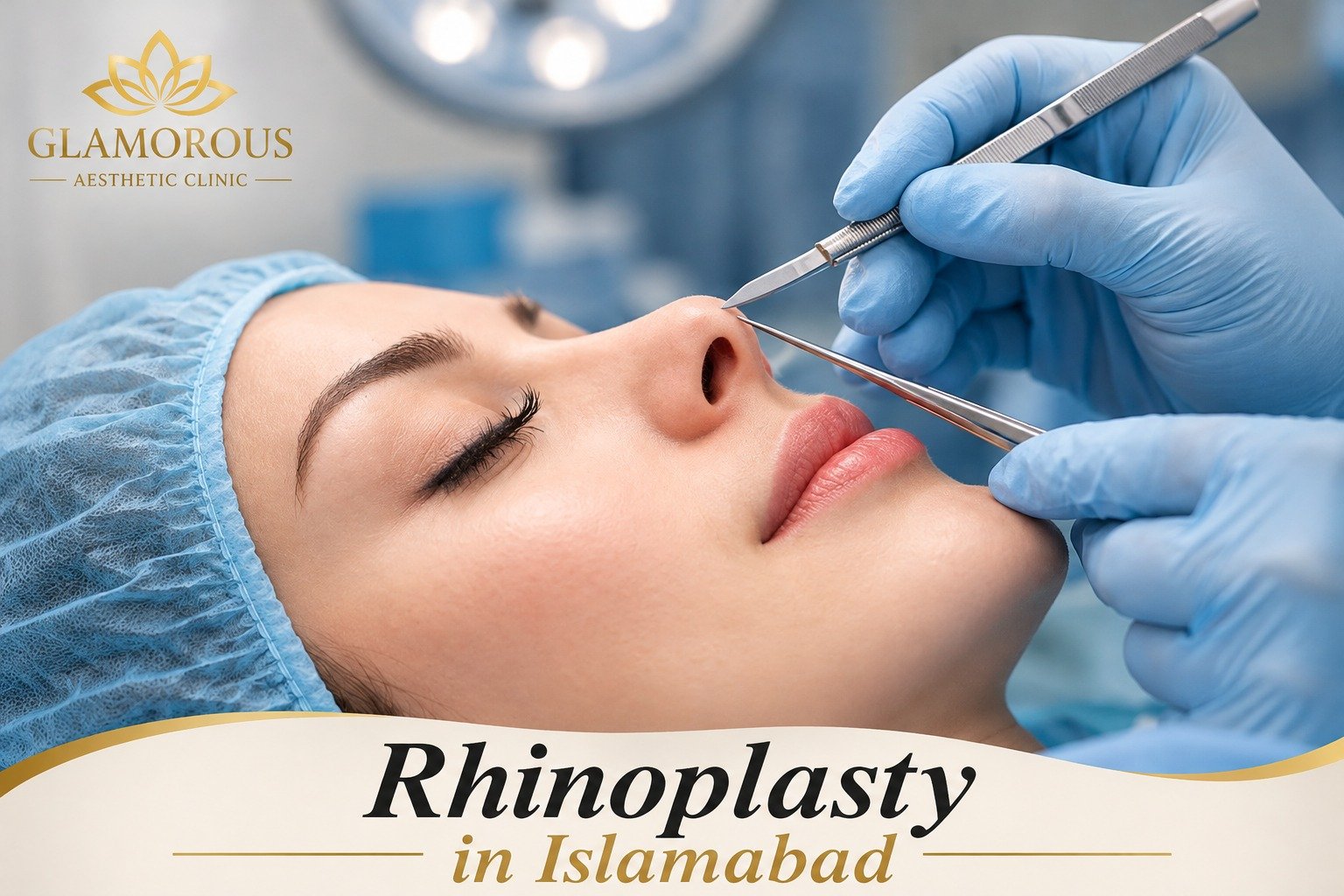
For patients seeking facial refinement, knowing the recovery duration is essential for setting realistic expectations.Specifically, the recovery process for Rhinoplasty in Islamabad follows a predictable, gradual timeline that prioritizes safe tissue healing.While the initial swelling subsides within the first few weeks, the complete refinement of the nasal tissues takes up to a year or more.This guide breaks down the recovery phases step by step so you can confidently plan your journey to a balanced, natural-looking profile.
What happens during the first week of recovery?
The first seven days are the most intensive phase of the healing process, characterized by noticeable swelling, mild discomfort, and congestion. You will wear a protective external splint to stabilize the nasal bones and minimize inflammation. During this time, it is crucial to rest with your head elevated to reduce fluid accumulation and promote optimal drainage. Most patients experience a feeling similar to a heavy head cold, which is entirely normal and manageable with prescribed medications. By the end of this week, your surgeon will gently remove the splint and any external stitches, revealing the initial, albeit swollen, shape of your new nose.
How does the healing progress during the first month?
As you enter the second and third weeks, the majority of the visible bruising will fade, and the swelling will begin to decrease significantly. You will likely feel comfortable enough to resume light, non-strenuous daily activities and return to desk-based work. However, the nasal tip will still feel firm and appear somewhat puffy, as the thick skin in this area takes longer to contract. It is important to continue avoiding any heavy lifting, bending over, or vigorous physical exertion that could spike your blood pressure and trigger renewed swelling. Following your surgeon’s saline spray instructions will also help keep the internal nasal passages clear and comfortable.
When can patients expect to see a more defined nasal shape?
By the end of the second and third months, approximately seventy to eighty percent of the post-operative swelling will have resolved. At this stage, the nasal bridge will look smooth and refined, and the overall width of the nose will appear much closer to its final proportions. Friends and colleagues will likely notice that you look refreshed and balanced, even if they cannot pinpoint the exact changes. The internal healing is also progressing well, meaning your breathing function should feel significantly improved and stable. This is often the point where patients begin to feel truly excited about their surgical investment.
Why does the nasal tip take the longest to heal completely?
The nasal tip is the most complex and dependent part of the nose, making it the final area to fully settle. It is composed of thick skin, multiple layers of cartilage, and a dense network of lymphatic vessels that were temporarily disrupted during surgery. Because gravity causes fluid to settle in the lowest part of the nose, the tip remains puffy long after the upper bridge has completely flattened out. For patients with thicker skin, this residual swelling can be more pronounced and may require additional time to shrink-wrap tightly over the newly sculpted cartilage framework. Patience during this extended phase is absolutely critical for appreciating the final outcome.
What is the typical timeline for full, permanent results?
Surgeons universally advise waiting at least twelve to eighteen months before making any final judgments about the outcome of the surgery. At the one-year mark, the vast majority of the subtle, residual swelling has resolved, and the nose has settled into its permanent, stable position. For individuals with thicker skin or those who underwent complex structural grafting, waiting a full eighteen months is recommended to ensure all tip definition has fully emerged. Only after this extended period can you truly appreciate the final symmetry, contour, and harmony of your new nasal profile.
How do different surgical techniques affect the recovery speed?
The chosen surgical approach can slightly influence the initial recovery experience, particularly regarding swelling and bruising. For instance, a closed rhinoplasty involves incisions hidden entirely inside the nostrils, which often results in less external tissue trauma and a slightly faster initial reduction in swelling. Conversely, an open approach provides maximum visibility for complex reshaping but may involve a bit more initial swelling due to the external columellar incision. Regardless of the technique, the long-term healing process and the time required to see the final result remain largely similar for all patients.
What lifestyle habits support a faster, smoother recovery?
Adopting specific healthy habits during the healing phase can significantly optimize your body’s natural repair mechanisms. Staying well-hydrated and consuming a diet rich in vitamins, minerals, and lean proteins will provide the essential building blocks for tissue regeneration. It is strictly mandatory to avoid all forms of nicotine and smoking for at least six weeks, as nicotine constricts blood vessels and severely impairs healing. Additionally, protecting your nose from direct sunlight by wearing a wide-brimmed hat will prevent the healing incisions from hyperpigmenting and darkening.
Rhinoplasty Recovery Timeline Overview
|
Timeframe
|
Healing Milestone
|
Visual and Functional Status
|
|---|---|---|
|
Week 1
|
Splint and stitch removal.
|
Maximum swelling, congestion, mild bruising around eyes.
|
|
Month 1
|
Return to light daily activities.
|
Bruising fades, 20-30% swelling remains, tip still puffy.
|
|
Month 3
|
Socially presentable appearance.
|
70-80% swelling resolved, bridge refined, breathing improved.
|
|
Year 1 to 1.5
|
Final tissue settling.
|
100% swelling resolved, permanent and fully refined outcome.
|
Frequently Asked Questions
Can I speed up the healing process naturally?
While you cannot rush biology, keeping your head elevated, minimizing sodium intake, and staying hydrated can help reduce prolonged swelling.
Is it normal for swelling to fluctuate during the day?
Yes, it is very common for the nose to look slightly more swollen in the morning or after physical activity due to fluid shifts.
When can I safely wear heavy eyeglasses again?
You should avoid resting glasses on the nasal bridge for at least six to eight weeks to prevent indenting the healing bones.
What should I do if I experience sudden, painful swelling?
Contact your clinic immediately, as a sudden increase in pain and swelling could indicate an infection or other complication requiring prompt care.
Final Thoughts
Recovering from nasal surgery is a gradual, non-linear journey that requires patience and strict adherence to your surgeon’s post-operative guidelines. By understanding the distinct phases of healing, you can navigate the process with confidence and avoid unnecessary anxiety over temporary swelling. Trust your body’s natural ability to heal, attend all follow-up appointments, and look forward to the beautiful, permanent results that will steadily reveal themselves over time.
About the doctor and clinic
Medically reviewed by Dr. Ahmed Ali, Plastic and Reconstructive Surgeon
Dr. Ahmed Ali is a Plastic and Reconstructive Surgeon with an MBBS from Ayub Medical College and an FCPS in Plastic Surgery. He worked as a Clinical Fellow in Plastic Surgery at Fauji Foundation Hospital Rawalpindi from 2020 to 2023, and he practises at Glamorous Aesthetics Clinic (Glam Aesthetics), an IHRA-licensed clinic in Islamabad.
Clinic: Glamorous Aesthetics Clinic (Glam Aesthetics)
Address: Office 20-21, Basement, Interlace Plaza, I-8 Markaz, Islamabad
Phone / WhatsApp: +92 327 5479779
Email: info@glamaesthetics.com.pk
Timings: Open 24 hours, Monday to Sunday
Consultation: Free. Reserve a visit with Book now.
Last updated: November 09, 2026
This article is for general information only and does not replace personal medical advice from a qualified surgeon.