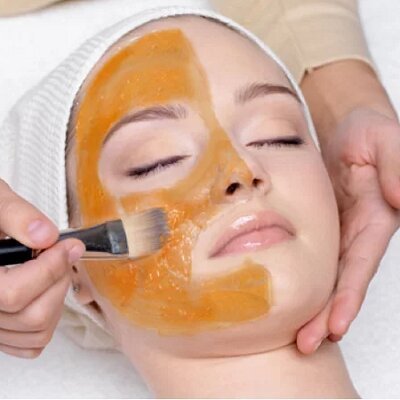
An Organic Peel can be an appealing option for people who want smoother, brighter, and more refreshed-looking skin without choosing a more aggressive cosmetic procedure. It is often used to improve the appearance of dullness, uneven texture, mild pigmentation, clogged pores, and other common skin concerns. However, one of the most common questions people have before treatment is simple: When will the results actually become visible?
The answer varies from person to person. Some people notice a fresh glow shortly after an Organic Peel, while others need several days before the skin begins to look noticeably different. The type of peel, skin condition, treatment strength, aftercare routine, and individual skin response can all affect the timeline.
Understanding what happens after treatment can help set realistic expectations and make the experience more comfortable. Rather than expecting an overnight transformation, it is helpful to view an Organic Peel as a process in which the skin gradually renews itself.
What Is an Organic Peel?
An Organic Peel is a skin-resurfacing treatment that may use naturally derived acids, enzymes, botanical ingredients, or other exfoliating compounds to remove accumulated dead skin cells and encourage a smoother surface. The exact ingredients and strength can vary considerably between treatments.
The primary purpose is exfoliation. When dead skin cells build up on the surface, the complexion can appear rough, tired, or uneven. Removing some of this buildup can make the skin look fresher and allow skincare products to spread more evenly across the surface.
Depending on the formulation and treatment approach, an Organic Peel may be used to address concerns such as:
-
Dull or tired-looking skin
-
Uneven skin texture
-
Mild discoloration and pigmentation
-
Rough patches
-
Enlarged-looking pores
-
Some types of blemishes and congestion
-
Early signs of skin aging
-
Uneven-looking complexion
It is important to remember that “organic” does not automatically mean that a peel is suitable for every skin type. Natural ingredients can still cause irritation or sensitivity. A qualified skincare professional can help determine whether a particular formulation is appropriate.
When Do Organic Peel Results Start to Show?
The timeline for Organic Peel results depends largely on the individual and the type of peel used. In many cases, the first noticeable change is an improvement in skin brightness and smoothness rather than a dramatic transformation.
Some people may notice a subtle glow within the first few days. Others may experience mild dryness or flaking first, followed by smoother-looking skin as the surface renews.
A general timeline may look like this:
First 24 hours: The skin may feel slightly tight, warm, dry, or sensitive. Some people notice an immediate fresh appearance, while others see little visible change.
Days 2 to 4: Depending on the peel, mild dryness or peeling may occur. This stage can make the skin temporarily look less even before the renewed surface becomes more noticeable.
Days 4 to 7: Many people begin to notice smoother texture, improved brightness, and a fresher complexion as the exfoliation process progresses.
One to two weeks: The skin may appear more refined and radiant. Improvements in texture and overall tone can become easier to appreciate during this period.
After several treatments: For concerns such as uneven pigmentation, congestion, or persistent texture issues, gradual improvement may become more noticeable after a series of treatments rather than after just one session.
These timeframes are general rather than guaranteed. The skin’s response can differ significantly between individuals.
What Factors Affect Organic Peel Results?
Several factors can influence how quickly an Organic Peel produces visible results. Understanding these factors can help people avoid unrealistic expectations.
Type and Strength of the Peel
Not every Organic Peel works in the same way. Some formulations are designed for gentle surface exfoliation, while others may provide a more noticeable resurfacing effect.
A milder treatment may produce a healthy glow with little or no visible peeling. A stronger formulation may cause more dryness or flaking and can require a longer recovery period.
The ingredients also matter. Different acids, enzymes, and botanical compounds can have different effects on the skin, so the expected timeline should always be discussed before treatment.
Skin Type and Current Skin Condition
Individual skin characteristics can influence the healing and renewal process. Skin that is already dry, sensitive, irritated, or compromised may react differently from skin that is relatively healthy and balanced.
Existing concerns also matter. Someone seeking a temporary glow may notice a difference relatively quickly, whereas someone hoping to improve longstanding pigmentation or uneven texture may need repeated treatments.
Aftercare Habits
Post-treatment care plays an important role in how comfortable the skin feels and how well it recovers.
Following recommended aftercare can help reduce unnecessary irritation. Gentle cleansing, appropriate moisturization, and consistent sun protection are commonly important after exfoliating treatments.
Picking or scratching peeling skin should generally be avoided. Although peeling can be tempting to remove manually, doing so may increase irritation and potentially contribute to discoloration or damage.
Lifestyle and Environmental Exposure
Sun exposure, heat, sweating, harsh skincare products, and environmental irritants may affect the skin after an Organic Peel.
For this reason, people often need to be particularly careful about sun protection after exfoliation. Excessive UV exposure can worsen pigmentation and make recently treated skin more sensitive.
Does More Peeling Mean Better Results?
Not necessarily.
One of the biggest misconceptions about chemical or botanical exfoliation is that visible peeling automatically means a more successful treatment. In reality, some effective peels produce little visible peeling, while others may cause noticeable flaking.
The amount of peeling depends on the formulation, concentration, application method, and individual skin response. A treatment can improve skin texture and brightness without causing dramatic shedding.
Trying to force additional peeling by using scrubs, exfoliating acids, retinoids, or other strong products immediately after treatment can irritate the skin. More aggressive exfoliation is not necessarily better.
A gradual approach is usually more appropriate for maintaining the skin barrier and minimizing unnecessary irritation.
How Long Do Organic Peel Results Last?
The duration of results varies depending on the person’s skin concerns, skincare routine, lifestyle, and treatment plan.
A brighter and smoother appearance may be noticeable for days or weeks after a single treatment. However, the skin continues to produce new cells and accumulate dead cells naturally, so the effects are not permanent.
For people addressing ongoing concerns such as uneven texture or pigmentation, a series of treatments may sometimes be recommended. The spacing between treatments should be determined according to the specific peel and the individual’s skin response.
A consistent home skincare routine can also help maintain the appearance of the skin between treatments. Gentle cleansing, moisturizing, and daily broad-spectrum sunscreen are generally useful foundations.
How to Get the Most From an Organic Peel
Good aftercare can make the recovery period more comfortable and help protect the skin while it is more sensitive.
A practical post-peel routine may include:
-
Use a gentle cleanser rather than a harsh exfoliating wash.
-
Keep the skin adequately moisturized.
-
Apply sunscreen consistently during the day.
-
Limit unnecessary sun exposure.
-
Avoid picking, rubbing, or peeling the skin manually.
-
Pause potentially irritating active ingredients if advised by the treatment provider.
-
Avoid combining multiple exfoliating treatments unless specifically recommended.
-
Give the skin enough time to recover before trying another resurfacing procedure.
It is also useful to introduce skincare products gradually after treatment. A product that normally feels comfortable may sting temporarily when the skin barrier is more sensitive.
If significant burning, swelling, blistering, severe pain, or prolonged irritation develops, professional medical advice should be sought rather than attempting to manage the reaction with additional skincare products.
Is an Organic Peel Worth Considering?
For people looking for a treatment that focuses on exfoliation and a fresher-looking complexion, an Organic Peel may be worth considering. It can be particularly appealing to individuals who want to address mild surface concerns without immediately pursuing more intensive resurfacing procedures.
However, expectations should remain realistic. One treatment may improve brightness and smoothness, but deeper or longstanding concerns may require a more personalized approach.
A proper assessment is especially important for people with sensitive skin, active irritation, a history of unusual reactions to skincare products, or significant pigmentation concerns. The safest treatment choice depends on the condition of the skin and the formulation being used.
Ultimately, Organic Peel results are usually best understood as a gradual process rather than an instant makeover. A temporary glow may appear early, while more noticeable improvements in texture and overall complexion can develop over the following days or after a treatment series.
Frequently Asked Questions
1. How quickly can Organic Peel results be seen?
Some people notice a brighter or fresher complexion within a few days, while more noticeable improvements in texture may take about a week or longer. The exact timeline depends on the peel formulation and individual skin response.
2. Will an Organic Peel make the skin peel visibly?
Not always. Some Organic Peel treatments can cause mild flaking, while others produce little or no visible peeling. The absence of peeling does not necessarily mean that the treatment was ineffective.
3. How many Organic Peel treatments are usually needed?
The number varies according to the skin concern and the type of peel. A single session may provide a temporary glow, while concerns such as uneven texture or pigmentation may require a planned series of treatments.
4. Can the skin look worse before it looks better after an Organic Peel?
Yes, temporarily. Dryness, mild flaking, redness, or tightness can occur after exfoliation. These effects may make the skin look less even for a short period before the complexion settles and appears smoother.
5. How can Organic Peel results be maintained?
A gentle skincare routine, regular moisturizing, and consistent sun protection can help maintain the appearance of the skin. Avoiding unnecessary irritation and following recommended post-treatment instructions can also support recovery.
6. Is an Organic Peel suitable for every skin type?
No treatment is universally suitable. Sensitive, irritated, or compromised skin may require a different approach. A qualified professional should assess the skin and recommend an appropriate peel and treatment schedule.
Read More About Organic Peel: https://app.getbeamer.com/product5395/en/can-organic-peel-treatments-minimize-large-pores