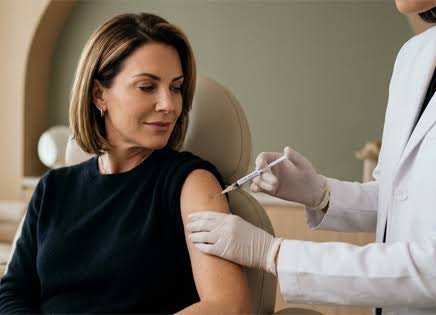
Living with a chronic illness requires ongoing attention and proactive care to reduce the risk of serious health complications. Effective Disease management at home empowers patients to take control of their health through consistent monitoring, healthy lifestyle habits, and adherence to medical advice. With healthcare solutions such as Doctor at Home, patients can access professional medical support and personalized care without leaving their homes. By following practical disease management strategies, individuals can improve their quality of life, maintain independence, and prevent avoidable complications.
Understand Your Health Condition:
A strong understanding of your medical condition is essential for preventing complications. Patients should learn about the causes, symptoms, treatment options, and warning signs associated with their illness. This knowledge helps individuals recognize changes in their health and respond appropriately when concerns arise. Being informed also improves communication with healthcare providers and supports better decision-making regarding treatment and lifestyle choices.
Follow Your Treatment Plan Consistently:
One of the most effective ways to prevent complications is to follow the treatment plan prescribed by healthcare professionals. Consistency helps keep symptoms under control and reduces the likelihood of disease progression. Important aspects of treatment adherence include:
- Taking medications exactly as prescribed
- Attending scheduled medical appointments
- Following dietary recommendations
- Completing prescribed therapies
- Reporting any treatment-related concerns promptly
Staying committed to a treatment plan improves long-term health outcomes and minimizes unnecessary risks.
Monitor Symptoms and Health Indicators:
Regular monitoring allows patients to identify potential problems before they become serious. Tracking symptoms and health measurements provides valuable information that can guide treatment decisions. Depending on the condition, patients may need to monitor:
- Blood pressure
- Blood sugar levels
- Heart rate
- Oxygen saturation
- Weight changes
- Pain levels
- Breathing difficulties
- Sleep patterns
Consistent monitoring supports early detection and timely medical intervention when necessary.
Maintain a Healthy and Balanced Diet:
Nutrition plays a critical role in preventing complications associated with chronic diseases. A well-balanced diet helps support immune function, regulate body systems, and maintain a healthy weight. Patients should focus on:
- Eating fresh fruits and vegetables
- Choosing whole-grain foods
- Consuming lean protein sources
- Limiting processed and high-sodium foods
- Reducing added sugars
- Drinking adequate amounts of water
Healthy eating habits can significantly reduce the risk of worsening symptoms and disease-related complications.
Stay Physically Active:
Regular physical activity supports overall health and helps manage many chronic conditions. Exercise improves circulation, strengthens muscles, supports cardiovascular health, and contributes to better mental well-being. Suitable activities may include:
- Walking
- Swimming
- Stretching exercises
- Yoga
- Cycling
- Low-impact aerobic workouts
Patients should select activities appropriate for their health status and seek medical guidance before beginning a new exercise routine.
Prioritize Medication Adherence:
Medication non-compliance is a common cause of preventable complications in chronic disease management. Patients can improve adherence by creating structured routines and using helpful tools. Effective strategies include:
- Setting medication reminders
- Using pill organizers
- Maintaining an updated medication list
- Scheduling prescription refills in advance
- Discussing side effects with healthcare providers
Taking medications consistently as directed helps stabilize health conditions and prevent disease progression.
Manage Stress and Emotional Well-Being:
Chronic illnesses can place emotional strain on patients and caregivers. High stress levels may worsen symptoms and negatively impact physical health. Managing emotional well-being is an important part of complication prevention. Helpful techniques include:
- Practicing mindfulness and meditation
- Engaging in hobbies and leisure activities
- Maintaining social relationships
- Participating in support groups
- Seeking professional counseling when necessary
A healthy emotional state can improve treatment adherence and contribute to better overall health outcomes.
Utilize Home Health Technology:
Modern healthcare technology provides valuable tools for monitoring and managing chronic conditions. Patients can use devices and applications to track important health information from home. Common tools include:
- Blood pressure monitors
- Glucose meters
- Pulse oximeters
- Smart scales
- Fitness trackers
- Mobile health applications
These technologies help patients stay informed about their health and provide accurate data that can be shared with healthcare professionals.
Maintain Regular Communication with Healthcare Providers:
Routine communication with medical professionals ensures that treatment plans remain effective and responsive to changing health needs. Patients should promptly discuss new symptoms, concerns, or changes in their condition. Services such as Doctor at Home provide convenient access to healthcare support, allowing patients to receive professional guidance and assessments while remaining in a familiar environment. Consistent communication promotes early intervention and helps prevent complications.
Create a Safe Home Environment:
A safe living environment can reduce the risk of accidents, injuries, and health-related emergencies. Patients should evaluate their homes and make adjustments that support their health needs. Important safety measures include:
- Removing tripping hazards
- Ensuring proper lighting
- Organizing medications safely
- Installing support rails if needed
- Keeping emergency contacts accessible
A well-organized home environment contributes to comfort, independence, and better disease management.
Prepare for Medical Emergencies:
Even with careful disease management, unexpected health situations can occur. Having an emergency plan in place allows patients and caregivers to respond quickly and effectively. An emergency preparedness plan should include:
- Emergency contact information
- A list of current medications
- Medical history details
- Instructions from healthcare providers
- Awareness of warning signs requiring urgent care
Preparation helps reduce delays in treatment and can significantly improve outcomes during emergencies.
Final Thoughts
Preventing complications requires a proactive and consistent approach to healthcare. Effective Disease management at home combines symptom monitoring, treatment adherence, healthy lifestyle choices, emotional well-being, and ongoing communication with healthcare providers. By following these practical disease management tips, patients can reduce health risks, improve daily functioning, and enjoy a higher quality of life. Supportive services like Doctor at Home further enhance access to professional care, making home-based disease management a reliable and effective solution for long-term health maintenance.