Marriage is one of life’s most significant commitments, and preparing for it involves more than planning a wedding. In many regions, couples are encouraged—or legally required—to complete a Marriage Blood Test in Dubai before receiving a marriage license. These tests are designed to identify certain infectious diseases, genetic disorders, and health conditions that could affect both partners or future children.
Understanding the purpose of premarital blood testing helps couples make informed decisions about their health while promoting a healthier future together. Whether your state requires testing or you simply want peace of mind, learning about marriage blood test requirements is an important step before saying “I do.”
What Is a Marriage Blood Test?
A marriage blood test is a medical screening performed before marriage to detect specific diseases or inherited genetic conditions. Historically, these tests were mandatory in many countries and states to reduce the spread of contagious diseases and prevent hereditary illnesses.
Today, most places no longer require routine blood tests for marriage licenses, but many healthcare providers still recommend them as part of comprehensive premarital health screening.
These tests can reveal important information about:
-
Blood group compatibility
-
Infectious diseases
-
Genetic disorders
-
Sexually transmitted infections (STIs)
-
Overall reproductive health
The exact requirements depend on local laws and individual health circumstances.
Common Conditions Screened During Premarital Blood Testing:
Different laboratories and healthcare providers may recommend different panels, but the following screenings are among the most common.
Blood Type and Rh Factor:
Knowing each partner’s blood type and Rh factor is particularly important for couples planning to have children. Rh incompatibility can lead to pregnancy complications, but early diagnosis allows doctors to manage the condition effectively.
Genetic Disease Screening:
Genetic testing identifies inherited conditions that may be passed on to children. Depending on family history and ethnicity, doctors may recommend screening for:
-
Thalassemia
-
Sickle cell disease
-
Cystic fibrosis
-
Tay-Sachs disease
-
Huntington’s disease in high-risk families
Genetic counseling is often recommended if both partners carry the same inherited disorder.
Sexually Transmitted Infection (STI) Testing:
Premarital STI screening protects both partners and supports long-term reproductive health. Tests may include:
-
HIV
-
Syphilis
-
Hepatitis B
-
Hepatitis C
-
Chlamydia
-
Gonorrhea
Early detection allows timely treatment and reduces the risk of transmission.
Rubella Immunity:
Some healthcare providers recommend checking immunity against rubella, especially for women planning pregnancy. Contracting rubella during pregnancy can cause serious birth defects.
Are Marriage Blood Tests Still Required?
The answer depends entirely on where you live.
Many countries and U.S. states have removed mandatory marriage blood test requirements because advances in medicine and public health have reduced their necessity. However, certain regions still require testing for specific diseases or recommend voluntary screening before marriage.
Always verify local marriage license regulations through your government authority or county clerk’s office before applying.
Even if blood testing is optional, many doctors encourage couples to undergo comprehensive health screening before marriage.
Benefits of Premarital Blood Testing:
While legal requirements vary, the medical benefits remain valuable.
Early Detection of Health Conditions:
Many diseases produce no symptoms during their early stages. Blood tests can detect hidden infections or chronic illnesses before they become serious.
Better Family Planning:
Knowing your genetic risks allows couples to make informed reproductive decisions and seek genetic counseling if necessary.
Improved Communication:
Discussing health openly before marriage builds trust, honesty, and mutual understanding between partners.
Protection for Future Children:
Identifying inherited conditions gives couples access to preventive care, prenatal testing, and specialized medical advice.
Peace of Mind:
Receiving normal test results provides reassurance and allows couples to begin married life with greater confidence.
What Happens During the Testing Process?
Premarital blood testing is usually quick and straightforward.
The process generally includes:
-
Scheduling an appointment with a healthcare provider.
-
Reviewing medical and family history.
-
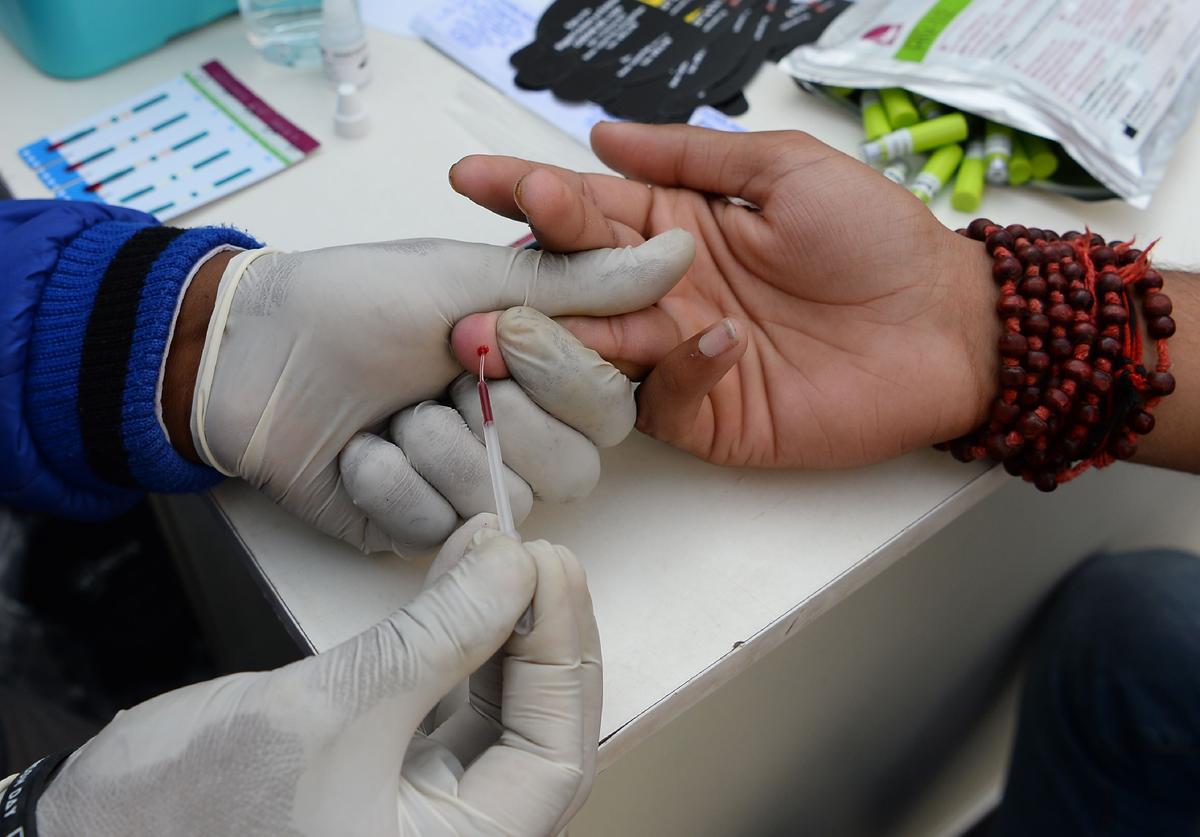
Collecting a blood sample.
-
Sending the sample to a laboratory.
-
Receiving results within a few days.
-
Consulting a physician if further evaluation is needed.
Some clinics combine blood testing with a complete premarital health examination.
How Much Does a Marriage Blood Test Cost?
The cost varies depending on:
-
Country or state
-
Laboratory fees
-
Number of tests performed
-
Health insurance coverage
-
Private versus public healthcare facilities
Basic blood panels are generally affordable, while extensive genetic testing may cost significantly more. Insurance may cover medically recommended screenings, but optional genetic tests may require out-of-pocket payment.
Before scheduling your appointment, ask for a complete price estimate to avoid unexpected expenses.
How to Prepare Before Your Blood Test?
Preparing properly can help ensure accurate results.
Follow these simple guidelines:
-
Ask whether fasting is required.
-
Drink plenty of water.
-
Bring identification documents.
-
Carry your medical history if available.
-
Inform your doctor about medications and supplements.
-
Avoid alcohol before testing if instructed.
Your healthcare provider will explain any specific preparation based on the tests being ordered.
What If an Abnormal Result Is Found?
An abnormal result does not necessarily mean marriage should be postponed.
Instead, it provides valuable medical information that allows couples to make informed decisions. Depending on the condition, your physician may recommend:
-
Additional laboratory tests
-
Specialist consultation
-
Treatment before pregnancy
-
Vaccination
-
Genetic counseling
-
Lifestyle modifications
Many conditions identified through premarital screening are manageable with modern medical care.
Frequently Asked Questions:
Is a marriage blood test mandatory everywhere?
No. Most countries and many U.S. states no longer require blood tests for marriage licenses, although some jurisdictions maintain specific requirements.
Can couples refuse premarital blood testing?
If testing is not legally required, couples may choose whether to undergo screening. However, healthcare professionals generally recommend it for preventive health purposes.
How long are blood test results valid?
Validity depends on local regulations and the type of testing performed. Some authorities accept recent results, while others require testing within a specified timeframe before marriage.
Can premarital blood tests detect infertility?
Routine marriage blood tests do not diagnose infertility. Additional reproductive health evaluations are needed if fertility concerns exist.
Are the results confidential?
Yes. Medical laboratories and healthcare providers maintain strict confidentiality under applicable healthcare privacy laws.
Final Thoughts:
Marriage blood Lab tests requirements have evolved over time, but their importance in preventive healthcare remains significant. Whether required by law or chosen voluntarily, premarital blood testing offers valuable insights into infectious diseases, genetic disorders, reproductive health, and overall wellness.
Couples who invest in comprehensive health screening before marriage gain the opportunity to address potential medical concerns early, make informed family planning decisions, and begin their new life together with greater confidence. Speaking openly with your healthcare provider about the most appropriate blood tests based on your medical history, family background, and future goals is one of the smartest investments you can make in a healthy marriage.