


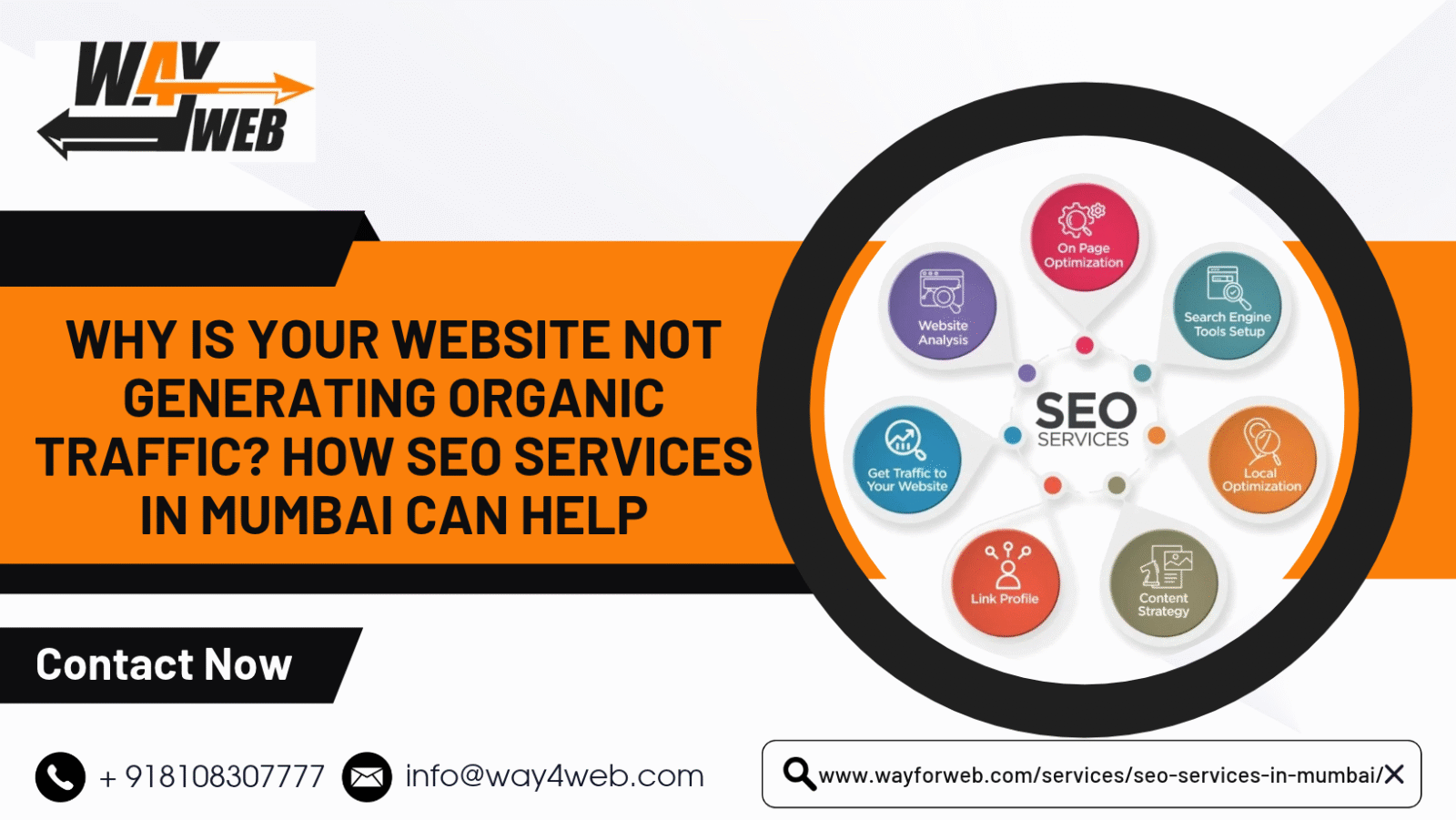
Improving website visibility on Google requires more than adding keywords to website pages. Businesses need a structured search engine optimisation strategy that considers technical performance, content quality, website structure, user experience, and search intent. Without these elements, a website may struggle to attract relevant organic traffic, even when it offers useful products or services.
Choosing the right SEO approach depends on the website’s current performance, business objectives, industry competition, and target audience. An effective SEO strategy should identify existing problems and prioritise improvements that support long-term search visibility.
1. Website Audit and SEO Performance Analysis
A website audit is generally the first step in an SEO strategy. It helps identify technical errors, indexing problems, content gaps, and optimisation opportunities.
Important audit activities include:
-
Checking website crawling and indexing.
-
Identifying broken links and redirect errors.
-
Reviewing page titles and meta descriptions.
-
Checking duplicate content.
-
Evaluating mobile responsiveness.
-
Reviewing website loading performance.
-
Analysing internal links and website structure.
A seo services company in mumbai should examine the website before recommending changes. This helps businesses understand which issues need immediate attention and which improvements can be planned over time.
2. Keyword Research and Search Intent Analysis
Keyword research helps businesses understand what potential customers search for when looking for specific products, services, or information.
An SEO strategy should consider search volume, competition, relevance, and user intent. Keywords should be mapped to appropriate website pages rather than repeated across every page.
For example, a Website Design Company in Mumbai may target searches related to website design, custom website development, e-commerce solutions, and web applications.
Businesses should also distinguish between informational, commercial, and local search intent. This helps create content that answers users’ questions and matches their requirements.
3. On-Page SEO and Content Optimisation
On-page SEO focuses on improving individual website pages so that search engines and visitors can understand their purpose.
Important activities include:
-
Writing relevant title tags and meta descriptions.
-
Organising content with clear H1, H2, and H3 headings.
-
Using target keywords naturally.
-
Adding relevant internal links.
-
Optimising images and alternative text.
-
Creating descriptive URLs.
-
Improving content readability.
Businesses investing in SEO Services in Mumbai should ensure that their service pages explain their offerings clearly and provide useful information.
Content should address actual customer questions instead of focusing only on keyword placement. Existing pages should also be reviewed for outdated information, incomplete explanations, and overlapping topics.
4. Technical SEO and Website Performance
Technical SEO helps search engines access, crawl, and index website pages correctly.
A technical SEO strategy may include XML sitemap checks, robots.txt reviews, canonical tag implementation, mobile usability improvements, HTTPS security, and Core Web Vitals monitoring.
Website performance also affects the visitor experience. Large images, unnecessary scripts, and inefficient code can contribute to slow-loading pages.
A website development company in Mumbai should consider SEO-friendly URLs, logical navigation, responsive layouts, and website performance during the development process.
5. Local SEO for Mumbai Businesses
Local SEO helps businesses improve their visibility in searches related to specific locations.
Companies serving Mumbai and Navi Mumbai should maintain accurate business information and provide useful details about their services and operating areas.
Local SEO activities may include:
-
Updating Google Business Profile information.
-
Maintaining accurate business contact details.
-
Selecting relevant business categories.
-
Encouraging genuine customer reviews.
-
Creating useful location-specific website content.
-
Maintaining consistent business information across relevant directories.
These activities help search engines understand a business’s location and local relevance.
6. Link Analysis and Off-Page SEO
Off-page SEO includes activities that help establish a website’s relevance and credibility beyond its own pages.
An SEO strategy may involve reviewing backlinks, analysing referring domains, monitoring brand mentions, and identifying relevant opportunities to earn links.
Businesses considering professional seo services should understand how backlink quality and relevance are evaluated. A large number of backlinks does not automatically indicate a strong website profile.
A best seo services company in mumbai should focus on relevant, genuine link-building practices rather than manipulative link schemes or bulk low-quality links.
7. SEO Reporting and Performance Monitoring
SEO requires continuous monitoring because search competition, website content, and search engine systems can change.
Businesses evaluating professional seo services in mumbai should understand how performance will be measured.
Important indicators include:
-
Organic clicks and impressions.
-
Search queries and average positions.
-
Organic website traffic.
-
Indexed website pages.
-
Landing page performance.
-
Relevant enquiries and conversions.
Google Search Console and Google Analytics 4 can help businesses understand search visibility and website interactions.
8. How Does SEO Work with Other Digital Services?
SEO can be coordinated with other digital activities as part of a broader online strategy.
A web application development company in Mumbai should consider website accessibility, performance, and search-friendly architecture when developing web applications.
Similarly, a digital marketing company in Mumbai may coordinate SEO with content marketing, social media, email marketing, and paid advertising.
Performance marketing agencies in Mumbai generally focus on paid campaigns, audience targeting, advertising budgets, and conversion tracking. These activities can complement SEO, but paid advertising and organic search should be measured as separate channels.
Conclusion
A structured SEO strategy includes website audits, keyword research, on-page optimisation, technical SEO, local SEO, backlink analysis, and performance monitoring.
Businesses should select SEO activities according to their website requirements, competition, and digital objectives. Regular analysis and relevant improvements help maintain a consistent approach to search engine optimisation.
Wayforweb provides website design, website development, SEO, and digital marketing solutions for businesses in Mumbai and Navi Mumbai. Understanding these SEO strategies can help businesses make informed decisions about improving their website visibility and organic search presence.