Keeping an old car can become difficult when repairs start taking more time and money. Some cars reach a stage where their age, condition, or repair needs make continued ownership less practical. In such cases, sending the vehicle to a wrecker can be worth considering.
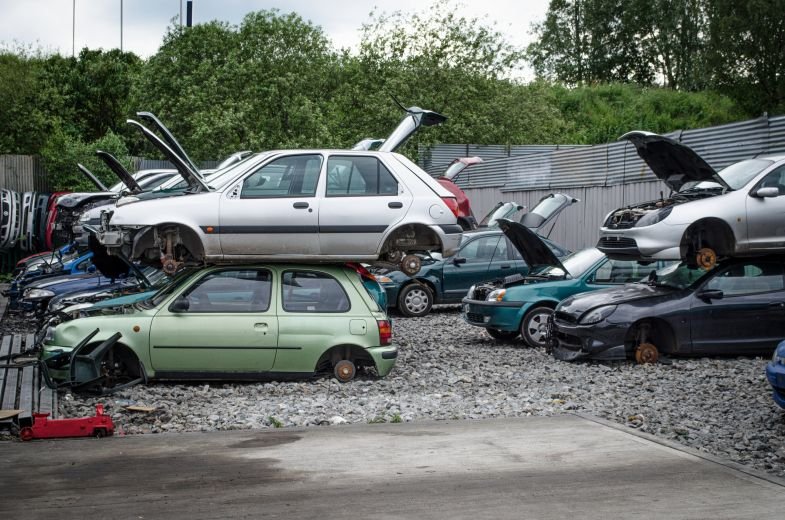
A wrecker can assess an old vehicle for parts, metal, and other usable materials. Some vehicles may still contain working engines, gearboxes, panels, wheels, electrical parts, and interior components. Other cars may have little usable value as parts but can still be processed for scrap metal.
Knowing when to part with an old car can help you avoid spending money on a vehicle that is no longer suitable for regular use. Here are some signs that it may be time to contact a wrecker.
The Car Needs Major Repairs
One of the clearest signs is a major mechanical problem.
An old vehicle may develop problems with the engine, gearbox, cooling system, suspension, or electrical system. A small repair may be worth doing when the rest of the vehicle is in good condition. A major repair is a different matter.
For example, an engine replacement can involve a large amount of labour and parts. If the car is already very old and has several other faults, putting more money into it may not be a sensible choice.
Before making a decision, compare the expected repair cost with the condition and age of the vehicle. If several major repairs are needed at the same time, a wrecker may be a more suitable option.
The Car Has Been Sitting Unused
A car that has been sitting in a driveway, garage, or yard for a long period may develop problems even when it was working before.
A vehicle needs regular use and maintenance. When it sits for months or years, the battery can lose charge, tyres can deteriorate, fluids can become contaminated, and rubber parts can age. Brakes may also develop corrosion.
A car that has not been driven for a long time may need several repairs before it can return to the road.
If there is no real plan to repair or use the vehicle, keeping it parked may only take up space. A wrecker can assess whether the car has parts or materials that can still be used.
The Vehicle Has Serious Accident Damage
Accident damage is another reason to consider a wrecker.
Some damaged vehicles can be repaired, while others may have structural or mechanical damage that makes repair difficult. A vehicle can also suffer damage to several systems at once after a major crash.
If the repair estimate is high, the owner may decide that repairing the vehicle is not suitable. A damaged car can still contain many usable parts.
Parts such as mirrors, doors, seats, lights, wheels, engine components, suspension parts, and electronic units may be useful, depending on their condition and the vehicle model.
This is one reason wreckers play a role in the reuse of vehicle parts. Instead of every damaged vehicle being treated only as waste, usable components can be removed and put back into use.
The Car Has Reached the End of Its Working Life
Every vehicle has a working life. Age alone does not mean that a car must go to a wrecker, but age combined with repeated faults can be a strong sign.
An older car may have worn components throughout the vehicle. Even after one repair is completed, another part may fail later. This can make ownership difficult to justify when the vehicle is no longer used often.
Rust, worn suspension components, ageing electrical systems, leaking fluids, and repeated engine problems can all affect an older vehicle.
When several of these issues appear together, it may be time to think about the vehicle as a source of reusable parts and recyclable material rather than as a daily car.
For more information about vehicle recycling and car wrecking services, visit https://adrians.com.au/
Rust Has Spread Across the Vehicle
Rust can become a serious issue as a vehicle gets older.
Small areas of surface rust may not mean that a car needs to be scrapped. However, widespread rust can affect body panels and, in some cases, structural areas.
Structural rust deserves particular attention because it can affect the strength of the vehicle. Repairs may require cutting out damaged sections and replacing metal.
If rust has spread across many areas and the vehicle also has mechanical faults, repair costs can rise considerably.
A wrecker can assess the vehicle and determine whether parts or metal can still be recovered from it.
The Car Is No Longer Roadworthy
A vehicle must meet road safety requirements before it can legally be driven on public roads. If an old car has serious faults and cannot pass the required inspection or roadworthiness checks, the owner may need to decide whether repairing it is worthwhile.
Common issues in an ageing vehicle can include worn brakes, damaged tyres, suspension problems, faulty lights, steering faults, and other mechanical concerns.
A roadworthiness issue does not always mean that a vehicle must be sent to a wrecker. Repairs may still be possible. The important point is to look at the total repair work required.
If the vehicle needs many repairs and has little remaining use, sending it to a wrecker can be a practical choice.
The Cost of Keeping the Car Is Growing
The cost of an old vehicle is not limited to one repair.
Owners may also spend money on registration, insurance, servicing, replacement parts, tyres, batteries, and other maintenance work. If the car is rarely driven, these ongoing costs can become difficult to justify.
For example, an owner may keep an old second car for occasional use. If that vehicle spends most of the year parked and continues to require repairs, it may no longer serve a useful purpose.
Looking at the total cost of keeping the car can help you decide whether it is time to let it go.
The Vehicle Is No Longer Used
Sometimes there is nothing seriously wrong with the car. The owner simply does not need it anymore.
People may stop using a vehicle after buying another car, moving to a different area, changing their travel routine, or finding that the old vehicle no longer suits their needs.
An unused car can take up valuable space and may continue to age while sitting unused.
If there is no clear reason to keep the vehicle, contacting a wrecker can be one option. The car may have parts that can be reused or materials that can be recycled.
You Cannot Find Replacement Parts Easily
Older vehicles can become harder to maintain when certain parts are no longer commonly stocked.
Some manufacturers stop producing parts for older models. This can make repairs more difficult, especially when a specific component is needed.
Wreckers can play a useful role in this area because they recover parts from vehicles that are no longer being used. A component from one old car may help keep another vehicle of the same model running.
This also gives old vehicles another purpose after they are no longer suitable for their original owner.
The Car Has Very High Kilometres
High kilometres do not automatically mean that a vehicle should go to a wrecker. Some vehicles can remain in use for many years when they receive regular servicing and proper care.
However, high kilometres can mean that more components have experienced wear.
If a high-kilometre vehicle is also showing repeated mechanical faults, leaks, poor running, or major component problems, the owner should look closely at the cost of continued repairs.
The decision should be based on the overall condition rather than the odometer reading alone.
The Car Has Been Written Off
A vehicle that has been written off after an accident may not be suitable for normal road use. The exact status and rules can vary, so owners should check the vehicle record and applicable requirements before making a decision.
A written-off vehicle can still contain parts that are in usable condition. Depending on the type and extent of damage, components may be removed for reuse, while metal and other materials can be processed for recycling.
This is another situation where a wrecker can help give an unwanted vehicle a useful second purpose.
When a Wrecker Can Help With an Old Vehicle
Once you decide that keeping the car is no longer suitable, the next step is to find out what can be done with it.
A vehicle wrecker may inspect the car and look at its model, age, condition, damage, and available parts. The vehicle can then be handled according to its condition.
Some cars have parts that can be removed and sold for use in other vehicles. Other vehicles may mainly provide steel, aluminium, and other recyclable materials.
For owners in the Gold Coast area who have reached this stage, auto wreckers Gold Coast services provided by ADRIAN’S Metal Recyclers can be considered when an old, damaged, unwanted, or end-of-life vehicle needs to be removed from the property. This type of service fits naturally with the vehicle recycling process because an old car can contain parts and materials that still have a use after the vehicle is no longer suitable for the road.
What Happens to an Old Car at a Wrecker?
The process can vary between wreckers, but the vehicle is generally assessed first.
Parts that are still in usable condition may be removed. These can include mechanical components, body panels, lights, wheels, mirrors, interior parts, and other vehicle-specific components.
Fluids and other materials also need to be handled correctly. Vehicle fluids such as engine oil, coolant, brake fluid, and transmission fluid should not be released onto the ground because they can contaminate soil and water.
After usable parts are removed, the remaining vehicle can be prepared for metal recovery and recycling.
Modern vehicles contain a large amount of metal. Steel is widely used in vehicle bodies and other components, while aluminium is found in areas such as some engine and body components.
Recycling these materials reduces the amount of vehicle material that needs to become waste.
Questions to Ask Before Sending Your Car to a Wrecker
Before handing over an old vehicle, it is useful to gather basic information about it.
Check the make, model, year, registration status, and general condition. Remove personal items from the cabin, boot, glove box, and storage areas.
If the vehicle still has documents, keys, service records, or other relevant items, keep them together.
You should also ask the wrecker about the removal process, paperwork, vehicle collection, and what information they need from you.
If the vehicle is not running, tell the wrecker before collection so they know about its condition and can plan the required equipment.
Final Thoughts
There is no single age at which every car should be sent to a wrecker. The right time depends on the vehicle condition, repair needs, usage, damage, age, and ongoing ownership costs.
A car may be suitable for a wrecker when major repairs are needed, accident damage is severe, rust has spread, the vehicle has been sitting unused, or the owner no longer has a practical reason to keep it.
An old car does not necessarily become worthless when it stops being suitable for the road. Usable parts can find their way into other vehicles, while metal and other materials can enter recycling processes.
Looking at the condition of the whole vehicle rather than one problem can help you decide whether repairing it or sending it to a wrecker is the more suitable next step.