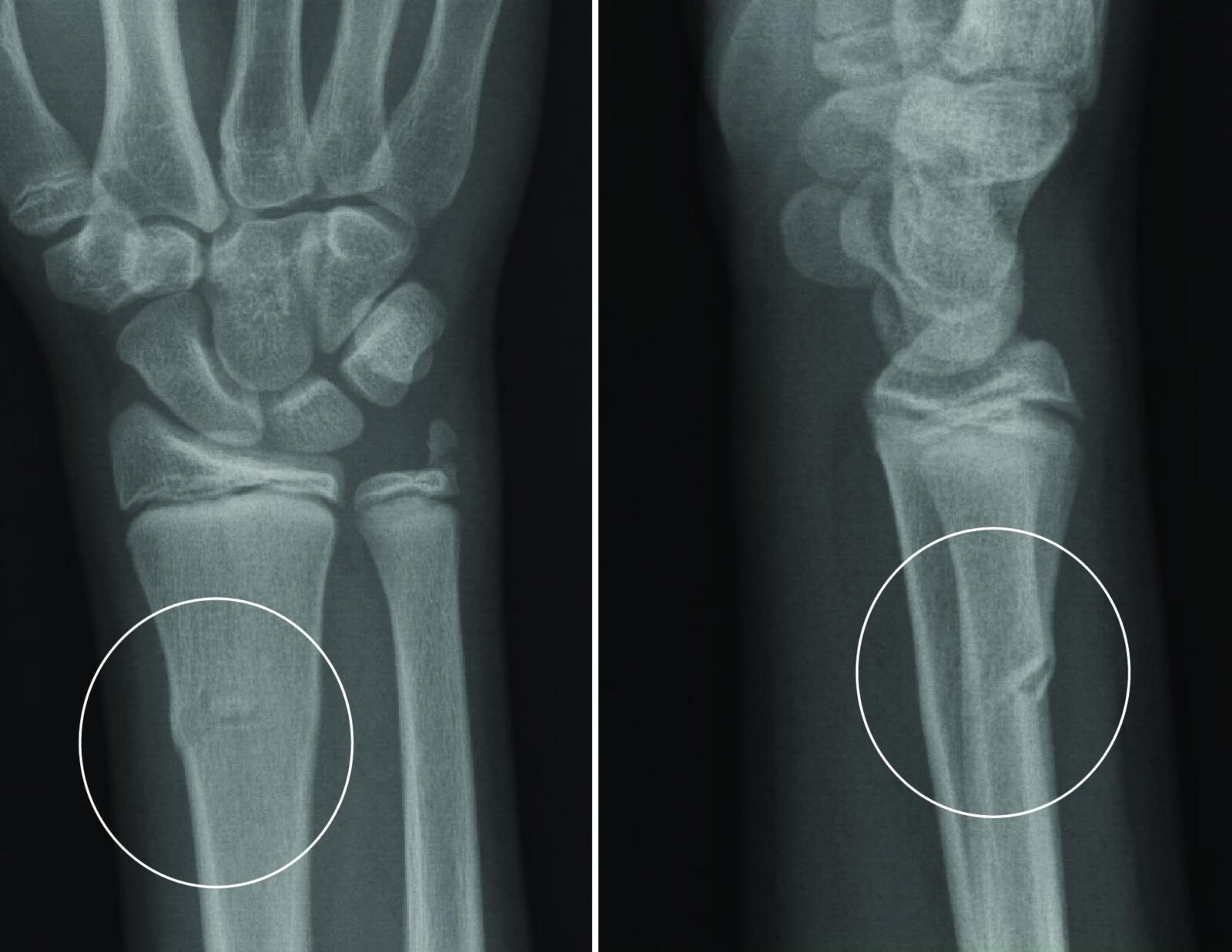
Timing is one of the most critical variables in fracture management. The decisions made in the first hours after a fracture occur matter enormously. Early intervention consistently produces better clinical outcomes than delayed care. This principle holds true across all fracture types and patient populations. Understanding why early fracture care matters can motivate timely action. Patients who seek care promptly recover faster and more completely. The healthcare system benefits when fractures are managed early and correctly.
What Happens Immediately After a Fracture
A fracture sets off an immediate cascade of biological events. A blood clot, or hematoma, forms at the fracture site instantly. This hematoma signals the beginning of the healing response. Inflammatory cells arrive within hours to clear debris and prepare the site. Growth factors are released from platelets within the clot immediately. These growth factors recruit osteoblasts and repair cells to the zone. The entire healing sequence depends on these early events proceeding correctly. Disruption or delay of early management impairs these critical initial processes.
Fracture ends that remain misaligned during this early phase heal poorly. The callus forms around the misaligned bone and hardens in place. Correcting alignment later requires greater force and more invasive intervention. Early reduction and stabilization captures the most favorable healing window. Orthopedic surgeons emphasize timely reduction precisely for this biological reason. The biology of early fracture healing rewards prompt and accurate intervention. Waiting increases biological, structural, and procedural complexity over time consistently.
The Consequences of Delayed Fracture Management
Delayed fracture care creates a cascade of compounding complications. Swelling worsens over time as inflammation continues unchecked. Progressive soft tissue swelling makes reduction increasingly difficult. Displaced fracture ends can damage surrounding nerves and blood vessels. Vascular injuries from displaced fractures cause compartment syndrome. This dangerous condition requires emergency fasciotomy if not identified promptly. Nerve damage from delayed fracture management may be permanent. Each hour of delay in care increases the risk of these serious complications.
Early Immobilization and Its Role in Healing
Immobilization is the cornerstone of initial fracture management worldwide. It prevents painful micromotion at the fracture site effectively. Micromotion disrupts the early formation of the bridging callus. Stable fracture ends allow osteoblasts to build bone matrix without interruption. Well-fitted casts or splints provide this essential stability immediately. Early immobilization also reduces pain significantly, improving patient comfort. Reduced pain allows better sleep, which is essential for healing. Every aspect of early fracture care either supports or undermines healing biology.
Timely casting or splinting also prevents further displacement from occurring. An initially non-displaced fracture can displace with continued activity. Displacement significantly worsens the prognosis for clean, rapid healing. Simple fractures that become displaced may ultimately require surgery. Preventing displacement through early immobilization avoids escalation in treatment. The cost and complexity of treatment increases substantially with displacement. Early immobilization is therefore both biologically and economically beneficial always.
Early Surgical Intervention When Indicated
Some fractures require timely surgical intervention for optimal outcomes. Hip fractures in elderly patients are a paradigmatic example of this. Research consistently shows that surgery within 24 to 48 hours reduces mortality. Delayed hip fracture surgery leads to pneumonia, deep vein thrombosis, and other complications. Femoral shaft fractures also benefit from early stabilization surgery. Open fractures, where bone is exposed, require urgent surgical debridement and fixation. Delayed treatment of open fractures dramatically increases infection risk. Early surgery in these cases is not elective; it is clinically essential.
Perioperative Optimization for Better Surgical Outcomes
Early surgical intervention must be accompanied by proper patient preparation. Anesthetic assessment ensures patients are medically fit for surgery. Blood pressure, glucose, and electrolyte levels are optimized preoperatively. Anticoagulation medications are managed carefully in the perioperative period. These preparatory steps reduce surgical complication risks significantly. Surgical teams who address these factors achieve better postoperative outcomes. Early intervention paired with thorough preparation maximizes the benefit of surgery.
The Impact of Early Care on Reducing Complication Rates
Early fracture care dramatically reduces the rate of serious complications. Compartment syndrome is prevented through timely reduction and monitoring. Deep vein thrombosis risk is reduced through early mobilization protocols. Pulmonary embolism, a potentially fatal complication, follows deep vein thrombosis. Early anticoagulation therapy in high-risk patients reduces embolism incidence. Pressure injuries from prolonged immobility are reduced with early activity. Pneumonia risk in bedridden patients is reduced by early rehabilitation. Each complication prevented through early care improves patient survival and recovery quality.
Malunion, the healing of bone in a poor position, is largely preventable. Early and accurate reduction of displaced fractures prevents malunion effectively. Malunited fractures cause long-term functional impairment and chronic pain. Corrective osteotomy surgery is the only definitive treatment for malunion. This revision surgery carries significant risks and requires prolonged rehabilitation. Early proper alignment eliminates the risk of this preventable complication. The importance of early anatomical reduction cannot be overstated clinically.
Early [Fracture Treatment] and Long-Term Functional Recovery
Comprehensive fracture treatment initiated early produces superior long-term functional outcomes. Patients treated promptly achieve better range of motion at final review. Strength recovery is more complete in patients who begin rehabilitation early. Return to work and daily activities occurs sooner with early intervention. Quality of life scores at long-term follow-up are higher with early care. These functional benefits persist years beyond the initial injury recovery period. Early care is therefore an investment in long-term health and wellbeing.
Psychological recovery also benefits from timely and effective early care. Patients who receive prompt, clear communication experience less anxiety. Understanding the treatment plan and expected recovery course reduces fear. Patients treated early spend less time in pain and uncertainty. This reduces the psychological burden associated with fracture injury significantly. Mental health recovery parallels physical recovery when care is proactive. Comprehensive early care addresses both physical and emotional dimensions simultaneously.
Early Nutritional Intervention in Fracture Recovery
Nutritional assessment should begin immediately after fracture diagnosis. Vitamin D and calcium deficiencies are extremely common in fracture populations. Identifying and treating these deficiencies early supports better healing. Supplementation protocols can be initiated from the first clinical visit. Protein status assessment identifies patients at risk for poor healing. High-protein nutritional support improves outcomes in malnourished fracture patients. Early dietitian referral is appropriate for high-risk or elderly patients consistently.
Anti-inflammatory nutrition during the early healing phases is particularly important. The inflammatory stage is crucial but must resolve in a timely manner. Omega-3 fatty acids from fish oil moderate the inflammatory response beneficially. Antioxidant-rich foods reduce oxidative stress in the healing environment. Vitamin C intake supports the transition from inflammation to bone formation. These nutritional strategies are most effective when initiated early in recovery. Delayed nutritional intervention misses the window of greatest potential benefit.
Early Rehabilitation: Timing and Progresssion
Early rehabilitation is not synonymous with premature weight-bearing always. It means initiating appropriate movement as early as clinically safe. Adjacent joint mobilization can begin within days of immobilization. This prevents unnecessary stiffness in joints above and below the fracture. Isometric exercises maintain muscle tone without stressing the fracture site. Cardiovascular conditioning maintains overall health during extended recovery. These early activities preserve function while the fracture heals safely.
Progressive rehabilitation follows as bone healing advances over weeks. Weight-bearing is introduced according to imaging evidence of callus formation. Physical therapists guide this progression with expertise and precision. Premature loading disrupts healing; delayed loading impairs strength recovery. The optimal timing of rehabilitation progression requires clinical judgment. Early rehabilitation within safe parameters consistently outperforms delayed approaches. Functional outcomes at one and two years favor early, structured rehabilitation.
Patient Education as an Early Intervention Strategy
Patient education delivered early in recovery improves outcomes measurably. Patients who understand their injury comply better with treatment protocols. Clear explanation of what to expect reduces anxiety and improves coping. Education about early warning signs enables patients to seek help promptly. Written and verbal instructions about activity restrictions prevent inadvertent damage. Medication instructions ensure safe and effective pain management at home. Follow-up appointment reminders prevent gaps in the care continuum. Early, comprehensive education is one of the highest-value interventions available.
Early fracture care is not merely about speed. It is about capturing the biological and clinical windows that healing requires. Every stage of recovery benefits from timely, well-coordinated intervention. Patients who receive early, comprehensive care achieve better healing and fewer complications. Healthcare providers who prioritize prompt, thorough management serve their patients well. The evidence is clear, consistent, and compelling across all fracture types. Early care is the single most impactful factor in improving fracture recovery outcomes.